 Retro Replay Retro Gaming History, Reviews & Emulation
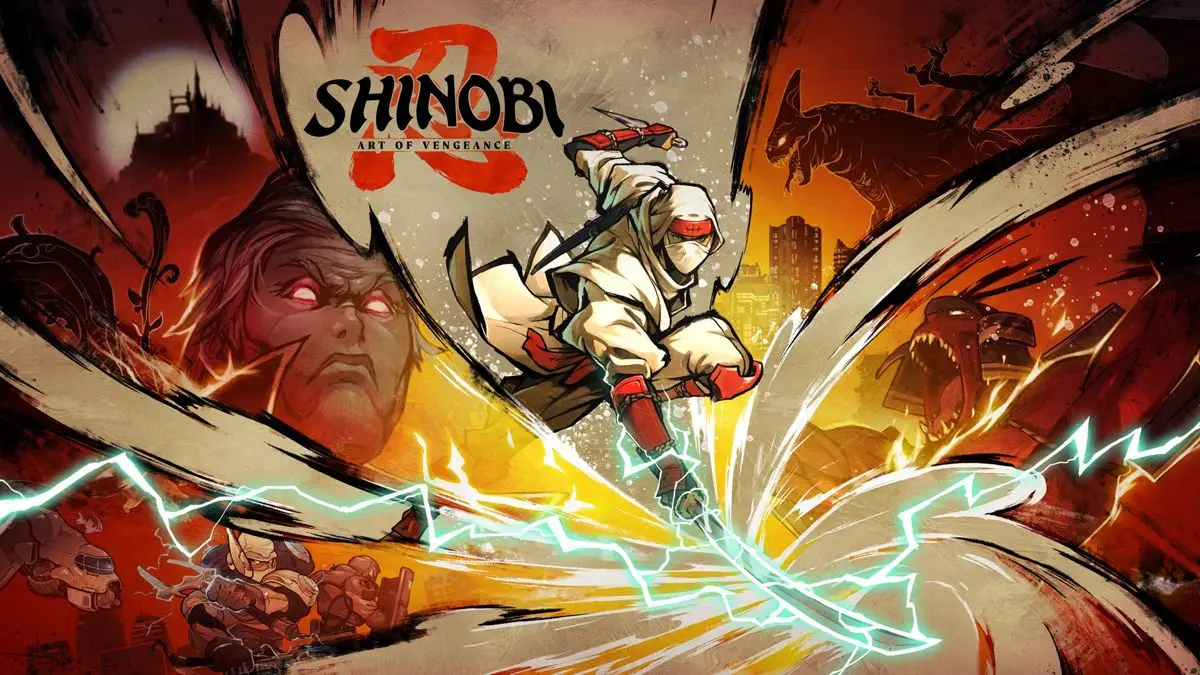
Game Overview
Gameplay
The first thing you feel is speed. Joe Musashi is built to stay in motion, and his katana attacks, kunai throws, and Ninpo techniques encourage you to press an advantage instead of hanging back. Combat asks for more than button mashing: you need to chain hits, crack defenses, and decide when a group is weak enough to clear efficiently. When the rhythm clicks, each encounter has the sharp forward drive a Shinobi game needs.
Shinobi Executions give weakened enemies a decisive finish, while unlockable special moves and equippable amulets let you shape Joe around the approach you enjoy. That customization is welcome because the core kit is already demanding. You can lean into stronger abilities or statistical adjustments rather than being locked into one rigid solution, but clean movement and timing still do the real work.
Platforming shares equal billing with fighting. Double-jumps, wall-runs, and dashes arrive early, then Ningi tools such as the grappling hook, climbing claws, and glider open routes that were previously out of reach. The light Metroidvania structure makes revisiting stages feel purposeful instead of like busywork, especially if hidden paths and challenge rooms pull you in. If you only want a one-and-done action game, the backtracking may cool your momentum. If you enjoy learning a level well enough to uncover its secrets, it is a strong reason to stay.
The fourteen-stage campaign has room for both a straightforward completion run and deeper mastery. Arcade mode and challenge rifts push that further for anyone who wants to keep testing their execution after the main journey. This is a game that asks you to meet its pace. Give it a little patience, and its mix of close-range combat and tricky traversal becomes much more satisfying than its basic ninja revenge setup initially suggests.
Story
Joe’s mission is clean and personal: after ENE Corp destroys his village and turns his fellow Oboro Clan ninjas to stone, he goes after the organization’s leader, Ruse. The journey through urban strongholds, military bases, deserts, and mountain temples gives the revenge chase a useful sense of distance and escalation. Do not come in expecting a complicated reinvention of the premise. The story works because it gives Joe a direct reason to keep moving and fighting.
Overall Experience
Art of Vengeance understands that Shinobi should feel precise, fast, and a little unforgiving. Its best quality is how naturally combat and movement feed one another. You are not pausing the action to do platforming, nor are you merely traveling between arenas. Getting through a stage is part of the same test of momentum.
Some frustration is inevitable when an enemy group or demanding route interrupts that momentum. The answer is not brute force so much as learning when to use tools, when to move, and when to return after gaining a new traversal option. That makes the game a better fit for you if you like practicing a tough section and watching your own execution improve, rather than simply seeing the next scene.
For long-time fans, Joe Musashi’s return carries the right series ingredients without being trapped by them. For newcomers, it stands as a substantial 2D action-platformer with room to explore and plenty to master. The payoff is worth it: a focused revenge adventure whose extra routes, build options, and advanced challenges make skillful play feel like more than an optional flourish.


Reviews
There are no reviews yet.