Retro Replay Retro Gaming History, Reviews & Emulation

The arcade version was supposed to be the one you wished you could take home. Sometimes a console did more than make a smaller copy. It added a campaign, rebuilt the stages, or gave a brilliant fighting game enough extra modes to last an entire weekend. These are fifteen times we would choose the home release.
Prefer watching to reading? Watch our full countdown below, then scroll down for every pick and its arcade-to-home tradeoffs.
Better is our editorial judgment, not a claim that every port has sharper graphics or tournament-perfect behavior. We are weighing worthwhile extra content, thoughtful redesigns, and the pleasure of learning a game at home. Direct conversions and substantially reworked arcade adaptations both qualify, with the distinction stated in each entry. Simply being able to play without coins is not the sole argument for most picks.
#15: Teenage Mutant Ninja Turtles II: The Arcade Game
Platform: Nintendo Entertainment System
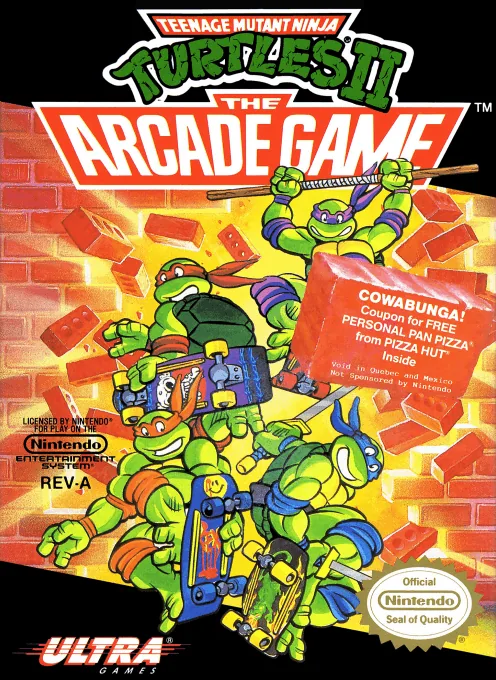
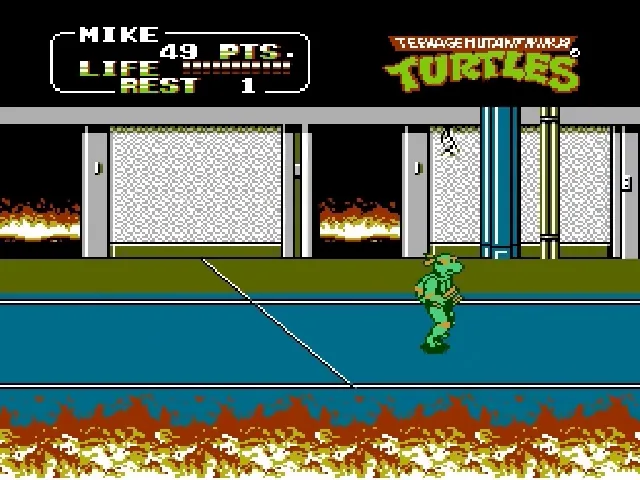
The NES cartridge loses two simultaneous players and much of the cabinet's visual richness. Those are real losses, especially if four friends around a machine are the heart of your memories. Our choice concerns the adventure you can settle into at home, where the additional stages give the familiar rescue a few welcome detours.
This adaptation adds a snow-covered section and a dojo rather than simply shrinking every arcade screen. Fighting remains straightforward, and some encounters can drag, but seeing somewhere new helps the trip feel like more than a compromised souvenir. The arcade is the livelier crowd pleaser. We give the NES version a narrow, deliberately arguable edge for its longer route.
#14: NBA Jam Tournament Edition
Platform: Sega Saturn

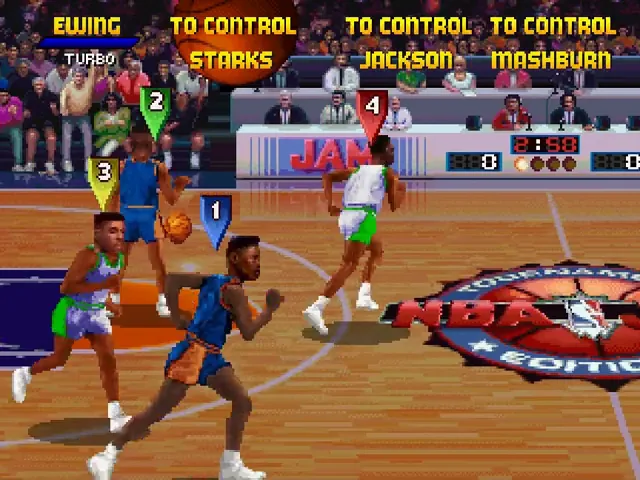
A close NBA Jam game is often decided by an outrageous shot, a stolen pass, or a shove that would empty the stands at a real basketball game. Tournament Edition keeps those rules wonderfully simple. Saturn's four-player support makes it easy to turn that simplicity into a noisy local competition.
This is a preference for the home setting rather than a claim that the Saturn adds a new campaign to the arcade original. The cabinet still has its own presence, and matching its controls takes appropriate controllers. Once everyone has a spot, though, repeated games stop being a negotiation over credits. For this particular game, unrestricted rematches are a substantial advantage.
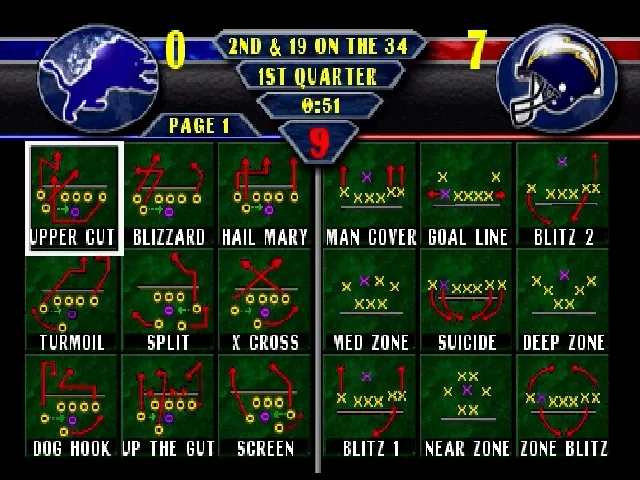
#13: Super C
Platform: Nintendo Entertainment System
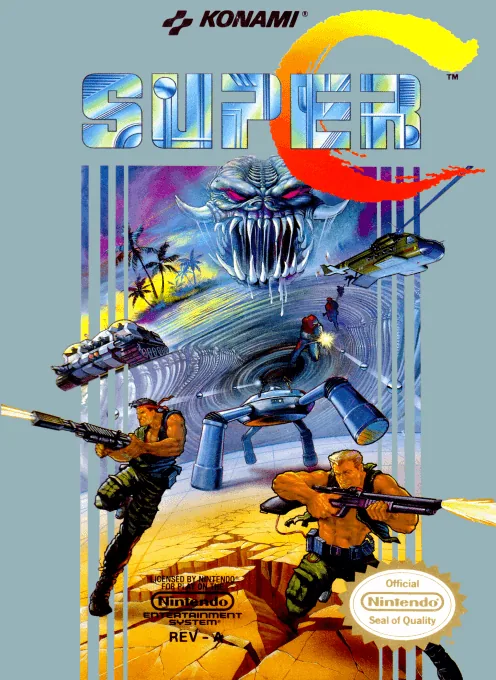
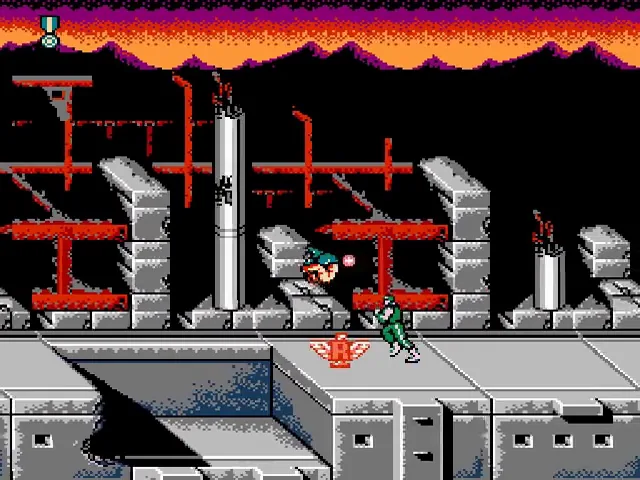
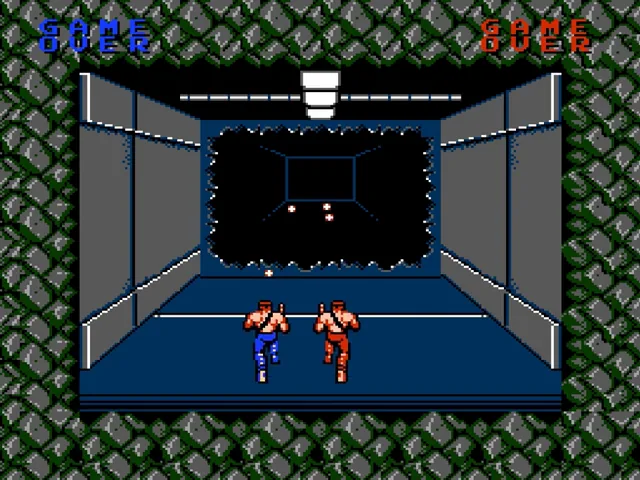
Super C is the NES adaptation of Super Contra, not a port of the first Contra with a new name. Its campaign expands to eight stages and switches between side-view action and overhead shooting. The reduced visual detail is obvious, but the route has enough changing situations to make that a reasonable trade.
The appeal is how confidently the NES controls carry you through the danger. A jump, a change of aim, and a well-kept weapon can turn an ugly screen into a clean escape. Two-player sessions add their own complications. We prefer this longer home arrangement because the action stays satisfying while the campaign finds more places to test it.
#12: NFL Blitz
Platform: Nintendo 64
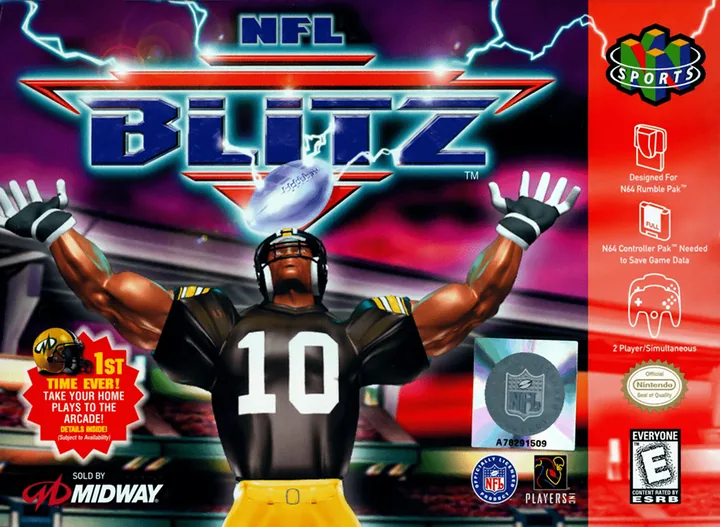
The original Nintendo 64 NFL Blitz is our choice here, not one of its later sequels. It keeps the arcade game's fast decisions and exaggerated physicality, then offers Season Play alongside the immediate arcade option. A schedule and a run toward the championship give the single-player side some useful continuity.
Nothing about that longer structure turns Blitz into a simulation. The pleasure is still making a quick read and watching a tackle land with absurd force. The home version wins our preference because it can serve both moods: one ridiculous match with a friend, or another step through a season. We are not claiming four-player support for this original release.
#11: Rygar
Platform: Nintendo Entertainment System
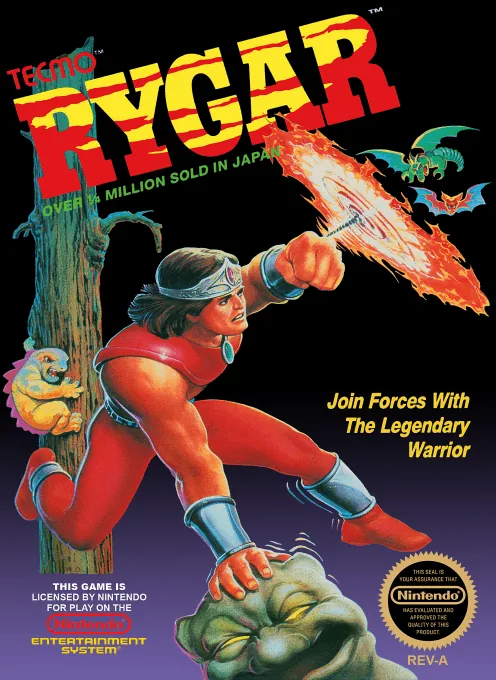
Rygar earns its place as a home reinterpretation of an arcade game, with that distinction stated clearly. The NES release trades the cabinet's stage-based action for a connected journey with character growth and tools that change where you can travel. Familiar weapons and imagery provide the connection, but the structure is fundamentally different.
The diskarmor gives fighting a useful reach while the world supplies reasons to investigate another path. Progress feels bigger than a rising score because new capabilities alter your options. The inability to save is a serious drawback, not a charming feature to wave away. Even with that inconvenience, the exploratory adventure is the version we would choose to spend an afternoon learning.
#10: Double Dragon II: The Revenge
Platform: Nintendo Entertainment System
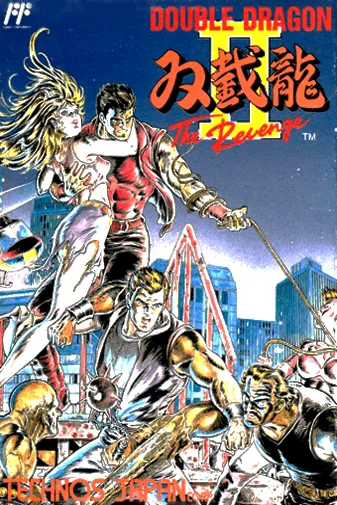
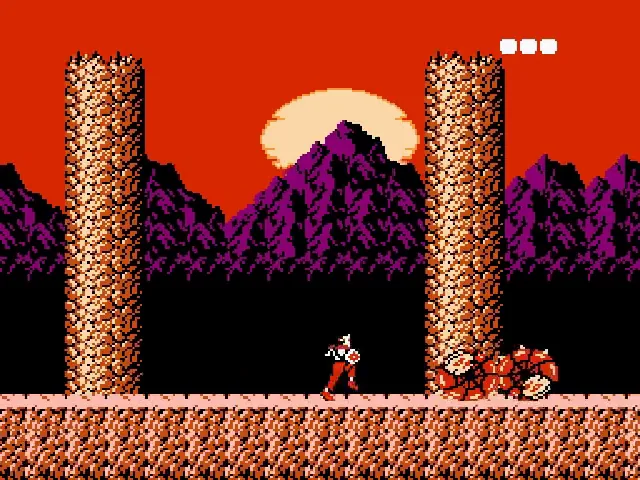
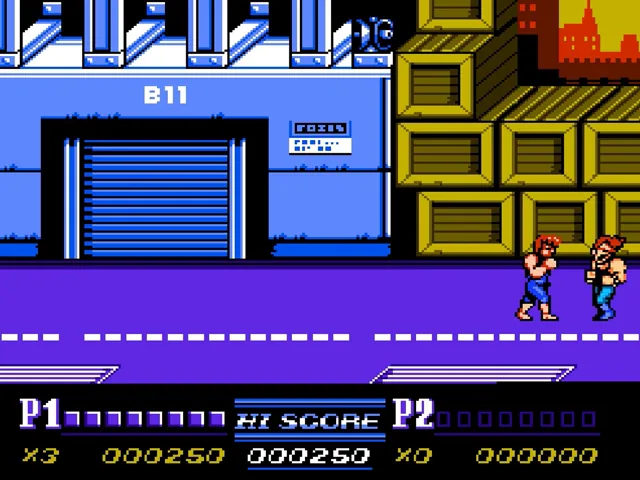
The NES Double Dragon II is not a faithful visual copy of the cabinet. It rearranges and expands the adventure, with simultaneous cooperative play and a much stronger interest in platforming hazards. Attacks depend on which side of the character you are striking, so button habits need a little adjustment.
That expanded route is the reason for our preference, and also the source of the biggest reservation. Some jumps are far less forgiving than the fighting, particularly when two players are trying to coordinate. Yet the changing locations and elaborate encounters make the cartridge feel like a proper evening's expedition. The arcade has cleaner immediate appeal; the NES version leaves us with more stories.
#9: Soul Blade
Platform: Sony Playstation
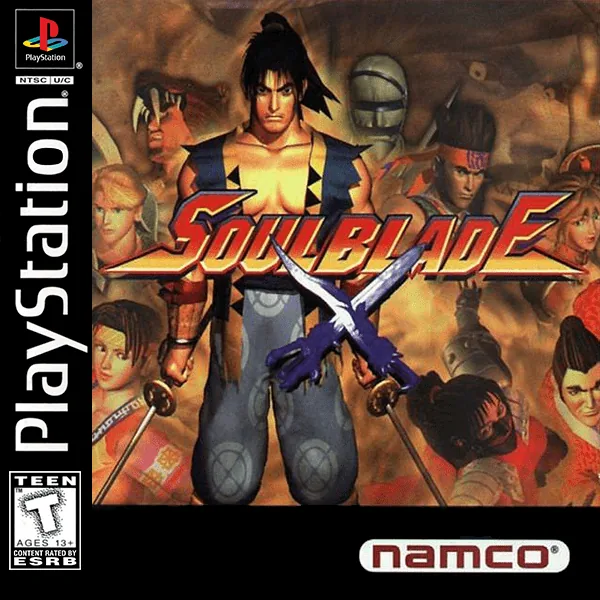
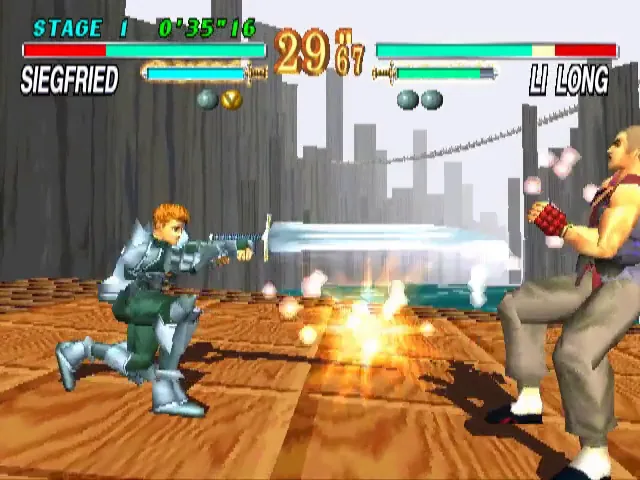
Soul Blade is the PlayStation version of the arcade game known as Soul Edge in other markets. The weapon-based fighting is its foundation, but Edge Master mode gives the home release a distinct purpose. Individual routes and battle conditions encourage you to use a character beyond a succession of standard matches.
Collecting weapons adds another reason to keep playing, with properties that matter to the fights rather than a purely cosmetic checklist. Its presentation is unusually generous, including the striking opening movie and selectable music options. The cabinet remains a strong fighting game. The PlayStation disc gives us a more complete relationship with its cast, which is why it gets our vote.
#8: Gauntlet IV
Platform: Sega Genesis
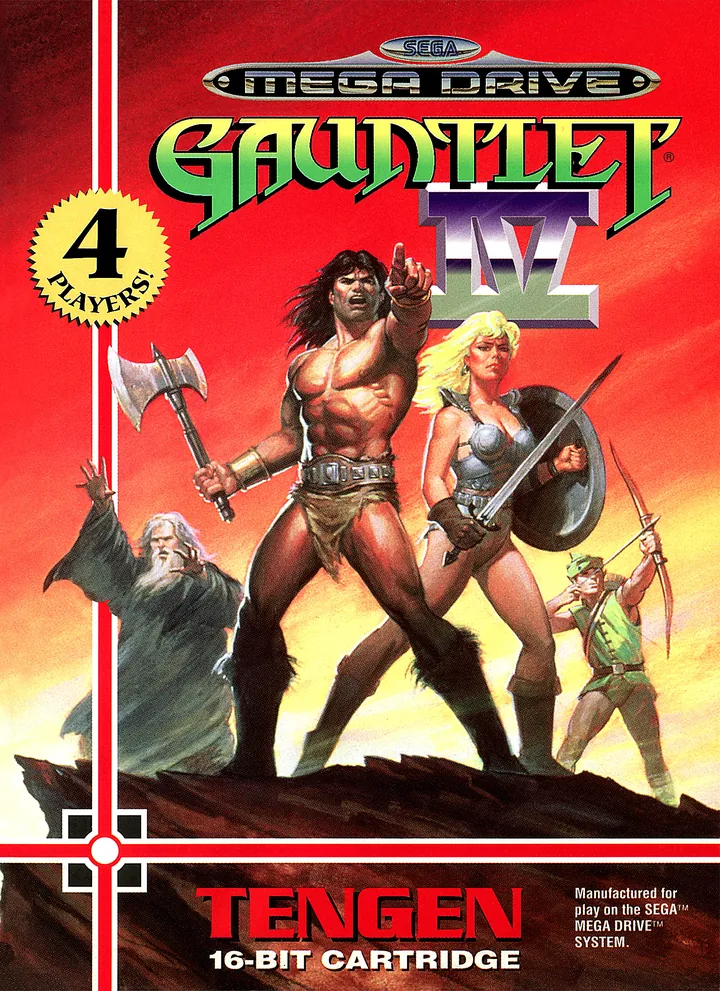
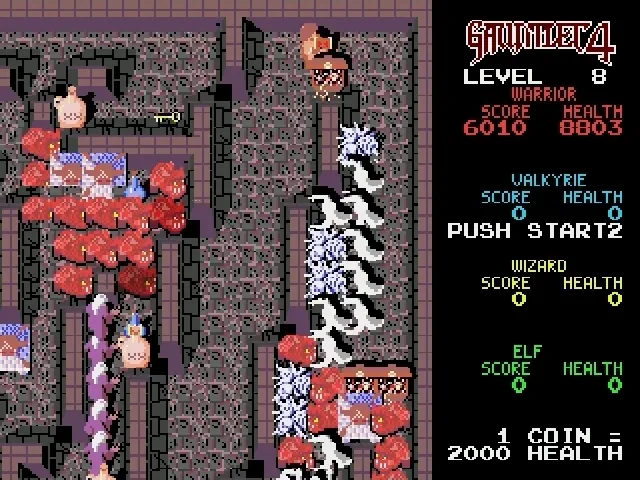
Despite the numeral, Gauntlet IV includes an adaptation of the original arcade Gauntlet rather than being simply a port of a fourth cabinet. The familiar action has room for four players with compatible hardware. That alone makes a convincing home package, but Quest mode is the real reason it ranks this high.
Character development, purchasable equipment, and a tower-based adventure give the dungeon fighting a stronger long-term shape. Collecting resources feels useful beyond a score total, and the mode rewards learning how its areas connect. It is still recognizably Gauntlet, including the chaos when several players compete for necessities. We prefer the Genesis version because it offers the quick dungeon crawl and a more substantial expedition.
#7: Contra
Platform: Nintendo Entertainment System
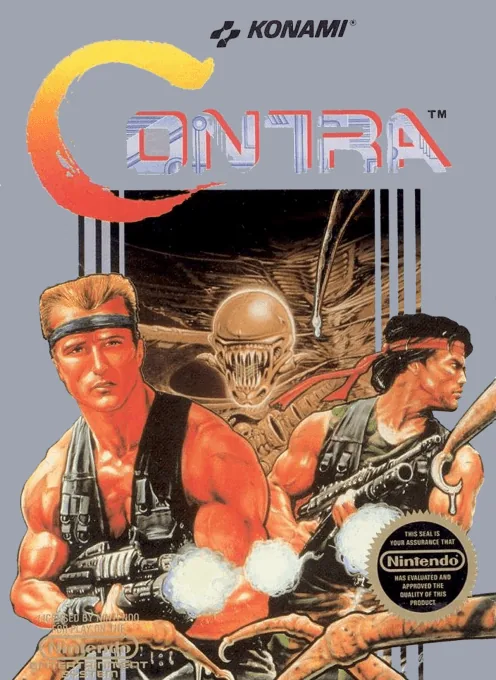
The NES Contra reshapes the arcade campaign instead of reproducing every stage unchanged. Its eight-stage structure moves between side-scrolling action, forward-facing bases, and the climb up a waterfall. The graphics are smaller and simpler, yet the arrangement has an unusually clear sense of escalation.
What keeps it above the arcade release for us is the feel of a practiced run. Movement, aiming, and weapon selection fit together without much friction, leaving your attention on the next threat. Cooperative play can disrupt that precision in entertaining ways. The famous code helped many players see more of it, but the underlying campaign earns the preference without needing that shortcut.
#6: Street Fighter Alpha 3
Platform: Sega Dreamcast

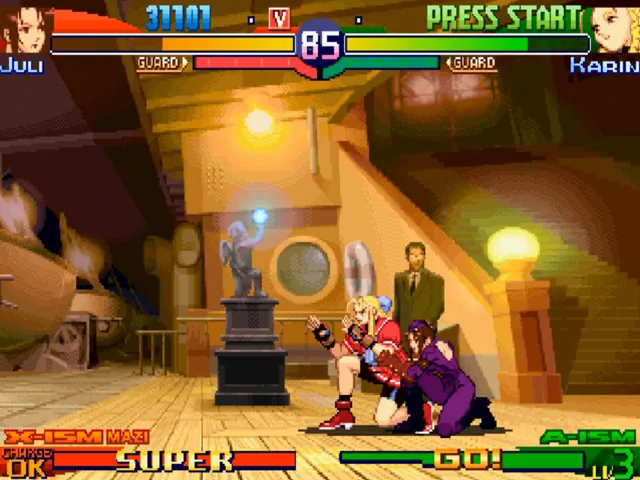
We are choosing the Dreamcast edition specifically, with its expanded character selection and its version of World Tour. The arcade game's different fighting styles remain the central attraction. Around them, the home modes provide another way to learn a favorite character and keep returning between sessions with friends.
World Tour links challenges to character development, so an evening can have a goal beyond beating the next opponent in standard arcade play. Competitive players may prefer particular arcade revisions, and that is a separate question from our ranking. For a home collection judged on how much worthwhile play is on the disc, the Dreamcast release makes an unusually persuasive case.
#5: Crazy Taxi
Platform: Sega Dreamcast
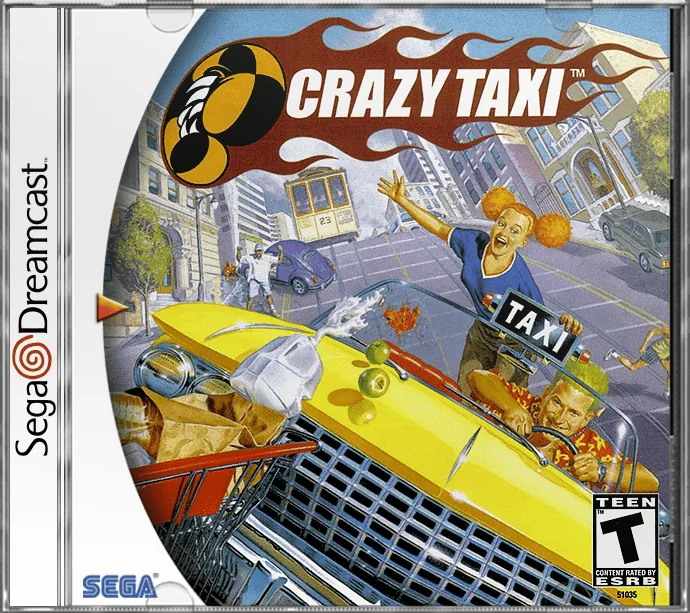
A steering wheel and pedals are an excellent way to meet Crazy Taxi, and the cabinet keeps that advantage. The Dreamcast release answers with content: the arcade map, a different city in Original mode, and the Crazy Box challenge collection. It is a substantial expansion of the same driving idea.
Crazy Box is especially useful because the game's tricks are more technical than the first frantic journey suggests. Focused tasks give you somewhere to practice the movements that make a normal fare quicker. Original mode then supplies fresh routes to apply them. We prefer the Dreamcast version because it preserves the short arcade session and makes learning the craft a much larger activity.

#4: Bionic Commando
Platform: Nintendo Entertainment System
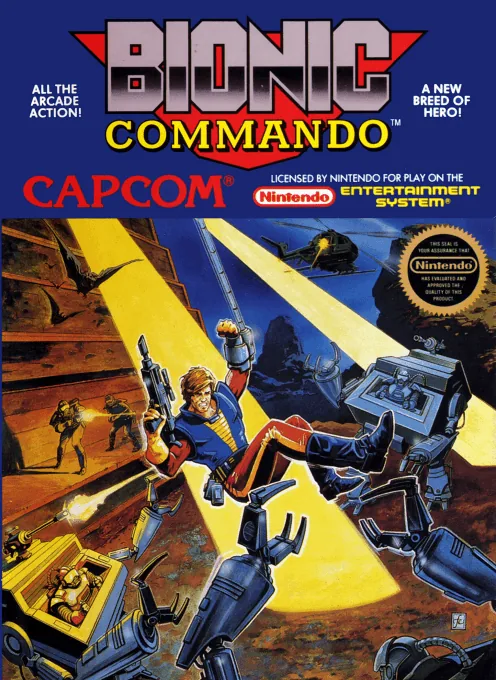
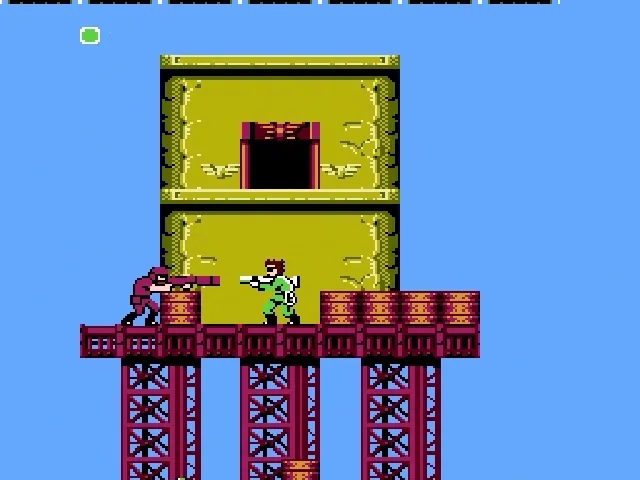
The NES Bionic Commando is a major redesign of the arcade concept, not an exact conversion with extra stages. Its map, equipment choices, communication rooms, and mission structure make the military setting feel like a connected operation. The grappling arm remains the idea around which everything else must work.
Without a normal jump, you have to read the overhead geometry and commit to a swing. A difficult gap becomes a small mechanical puzzle rather than another timed button press. The surrounding systems give that movement a reason to carry you farther. We prefer this more ambitious home adventure because the signature arm is woven into an entire campaign built around its possibilities.
#3: Virtua Fighter 4: Evolution
Platform: Sony Playstation 2
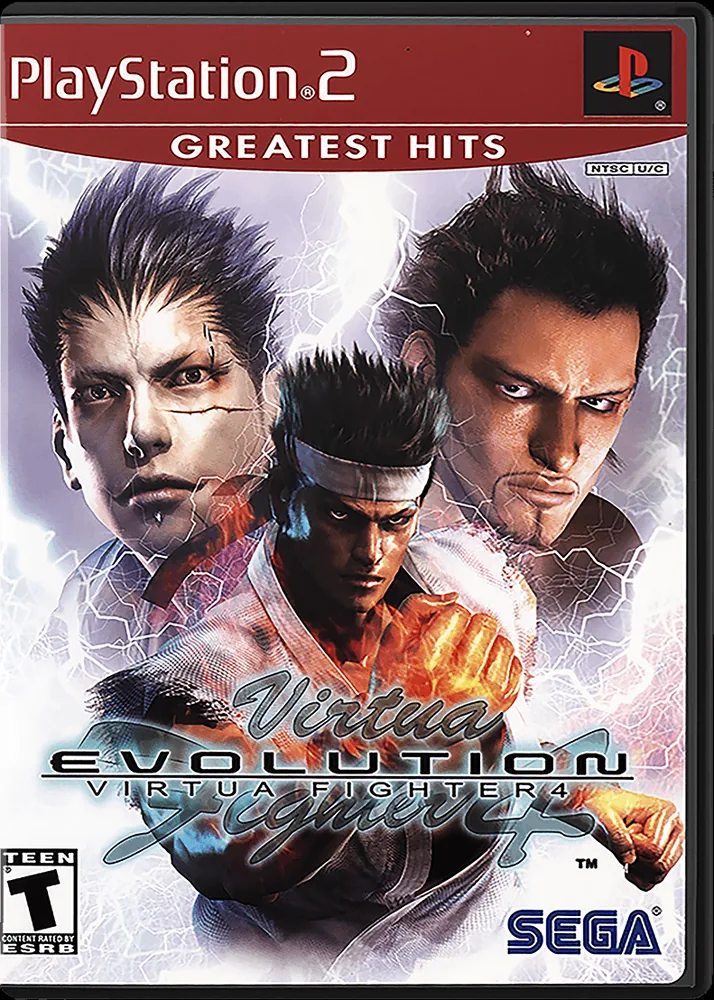
Virtua Fighter rewards careful learning, which can make a cabinet an expensive classroom. Evolution on PlayStation 2 offers a different environment. Its training tools support deliberate practice, while Quest mode organizes computer opponents into a tour of simulated arcades rather than presenting another anonymous ladder.
Customization rewards and the developing run through those venues make small improvements feel worthwhile. The home advantage is not a claim that a controller is universally better than an arcade stick. It is the structure around the fighting: somewhere to study a technique, try it under pressure, and return with a reason to improve. For a solo player, this is an exceptional home interpretation of arcade competition.
#2: Tekken 3
Platform: Sony Playstation
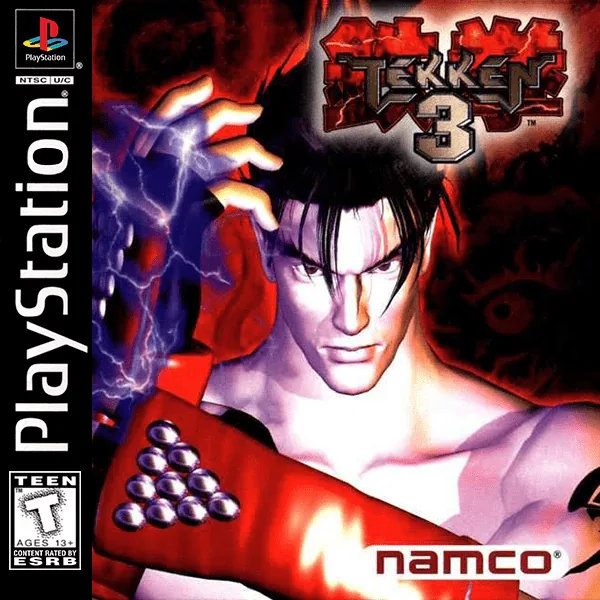
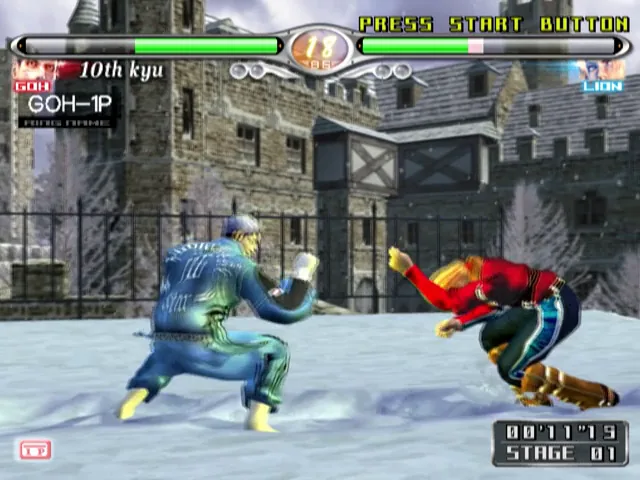
The PlayStation conversion makes visual compromises compared with the arcade hardware. Its achievement is how well the fighting survives those cuts and how much extra entertainment surrounds it. Tekken Force and Tekken Ball give familiar moves different jobs, while home-exclusive additions make the character selection more playful.
Tekken Ball's unusual premise even gives you another way to think about timing and launching attacks. Tekken Force is less refined than the central fighting game, but it is still an entertaining change of pace. The cabinet may be the purer competitive stop. The PlayStation version is our choice for a disc that can hold an entire room's attention across several different moods.
#1: SoulCalibur
Platform: Sega Dreamcast
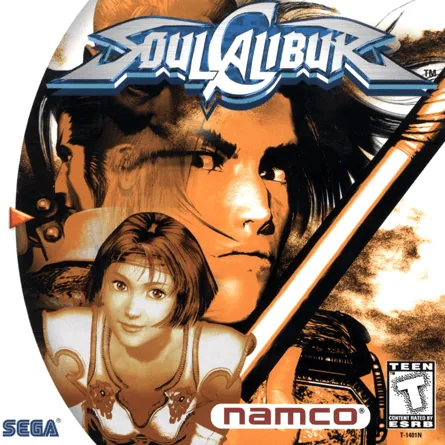
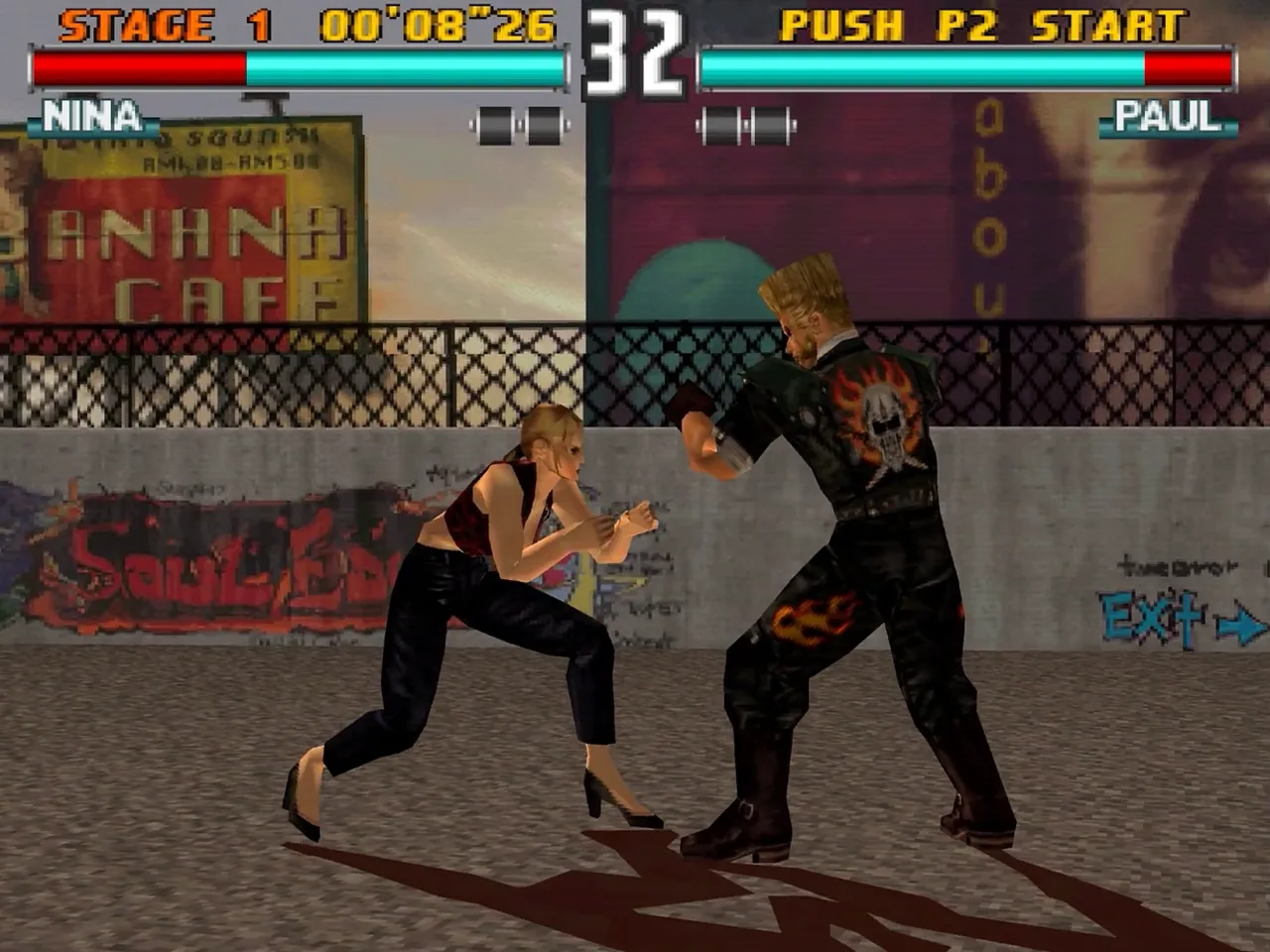
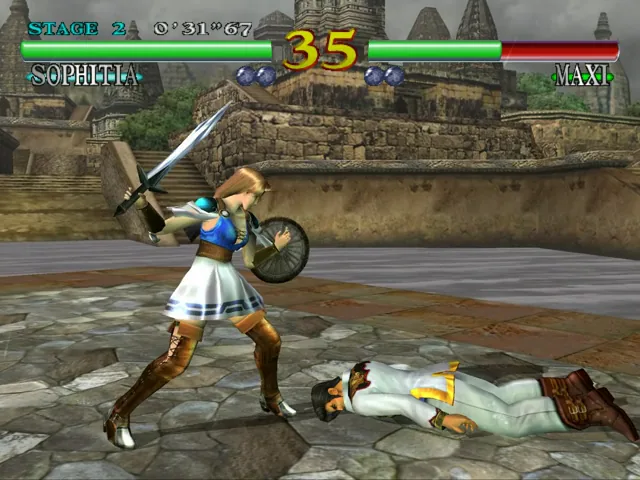
SoulCalibur is our number one because the Dreamcast release improves the spectacle while expanding what you can do alone. It is not merely an arcade copy made convenient by unlimited rematches. More detailed presentation and the expanded Mission Battle mode give the home edition a clear identity of its own.
Mission conditions ask you to solve fights differently, which makes learning a weapon more interesting than repeating the same dependable sequence. Unlocks and artwork provide further incentives without replacing the pleasure of the combat itself. The cabinet deserves credit for the foundation. The Dreamcast version takes that foundation and builds the most convincing complete home package in this countdown.
The best home conversions understood that a living room asks different things from a game. A cabinet needs to make its case quickly. A cartridge or disc can offer a journey, a training routine, or a collection of diversions that reward coming back for weeks.
SoulCalibur takes our top spot, but the debate is part of the fun. Would you trade the extra stages and home modes for the original cabinet's controls and atmosphere? Tell us which version you would keep, and which arcade conversion should have made the list.