 Retro Replay Retro Replay gaming reviews, news, emulation, geek stuff and more!





Retro Replay Review
Gameplay
Alice-tachi no Gogo Vol. 1 blends open‐world exploration with light RPG mechanics in a way that will feel fresh to players tired of traditional point-and-click adventures. From the moment you step into the sprawling Expo grounds, the emphasis is on freedom: you choose which pavilion to visit, which characters to approach, and which items to collect, all in an effort to progress through a series of seductive “encounters.” Navigation is intuitive, with a minimap that highlights key NPCs, pavilions, and hidden treasures, ensuring you never feel truly lost in this expansive environment.
(HEY YOU!! We hope you enjoy! We try not to run ads. So basically, this is a very expensive hobby running this site. Please consider joining us for updates, forums, and more. Network w/ us to make some cash or friends while retro gaming, and you can win some free retro games for posting. Okay, carry on 👍)
The RPG elements, while minimal, add surprising depth to what might otherwise be a straightforward adventure game. Instead of swords or spells, your primary “stat” is Charm—boosted by successfully completing photo shoots with the Expo’s female models. Every time you attempt to convince a model to disrobe, you essentially enter a battle: a mini‐game of dialogue choices, timing bonuses, and stamina management. Failing to read your subject’s mood or exhausting your health bar means retreating, regrouping, and perhaps seeking out new equipment or a lucky break at another pavilion.
Exploration ties directly into progression. Scouring each corner of the Expo for hidden side quests, promotional booths, or special items isn’t just busywork—it’s essential. Some pavilions remain locked behind keycards or require you to have amassed a certain level of Charm first. This gating encourages you to revisit earlier areas once you’ve leveled up, rewarding backtracking with fresh interactions and scantily clad photo opportunities. The pacing strikes a careful balance, encouraging thorough exploration without grinding for levels and without turning the game into a dull fetch-quest simulator.
Graphics
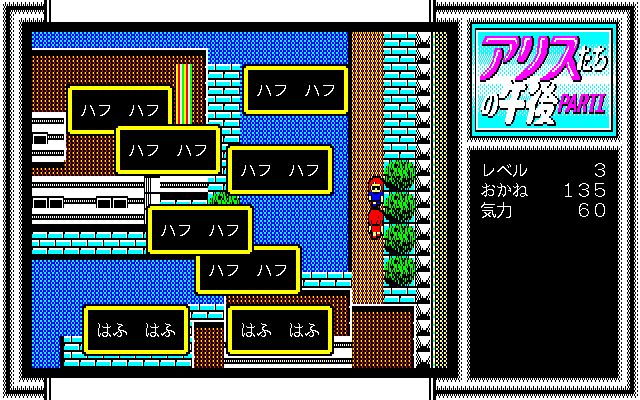
Visually, Alice-tachi no Gogo Vol. 1 is a feast for fans of anime-inspired art. Character models are beautifully rendered with smooth animations that lend a surprising sense of life to each model’s expressions and movements. Whether a model is coyly covering herself or striking a playful pose for the camera, you’ll appreciate the attention to detail in facial expressions, hair swishes, and subtle lighting effects that accentuate the curves and contours of each figure.
The Expo environment itself is equally impressive. Designers have populated the grounds with a diverse array of pavilions, each sporting its own color palette, decor, and ambient soundtrack. From neon-lit futuristic halls to traditionally styled tea houses, no two venues look or feel the same. Textures are crisp, and the dynamic day-and-night cycle casts realistic shadows and highlights, making each pavilion change mood as the sun sets over the expo complex.
Even the user interface complements the overall aesthetic rather than detracting from it. Menus employ translucent panels with artful borders reminiscent of glossy magazine pages, which is fitting given your role as a journalist‐photographer. Small details—like the camera shutter sound when taking a snapshot or the subtle glow of an item shimmering in the corner of your vision—reinforce immersion and remind you that every discovery is part of an erotic, stylish experience.
Story
At its core, Alice-tachi no Gogo Vol. 1 tells a simple yet effective story: a young journalist working for the cheekily named “Oh!” magazine is sent to Japan’s largest Expo to capture the best, most risqué photographs of its female models. What might sound like a thin premise quickly gains momentum through charismatic characters, incremental reveals, and occasional humor poking fun at tabloid culture. The narrative never pretends to be high art, but it is consistently engaging enough to keep you invested in your protagonist’s quest for the perfect shot.
Character interactions are the game’s strongest narrative tool. Each model you meet has a distinct personality, backstory, and set of desires that you must learn to navigate. Whether coaxing a shy newcomer into letting her guard down or romancing a confident performer with a flair for theatrics, these scenes are more than mere window dressing. They provide context to the Expo’s world, grounding the erotic content in personalities that feel alive rather than purely objectified.
Pacing is handled thoughtfully. Between photo shoots, you’ll uncover snippets of corporate intrigue—rumors that “Oh!” magazine’s sponsors may have ulterior motives, or hints of a rival journalist trying to scoop you on the next big reveal. While the game keeps the overarching plot fairly light, these sub-threads add enough suspense to prevent the experience from becoming monotonous. For those who enjoy light storytelling alongside adult content, Alice-tachi no Gogo offers just the right blend of intrigue and titillation.
Overall Experience
Alice-tachi no Gogo Vol. 1 stands out as a rare hybrid of adventure game and RPG-lite mechanics tailored specifically for an adult-oriented audience. It’s not for everyone—players seeking deep combat systems or emotionally weighty narratives may find the experience somewhat superficial—but for those intrigued by its central hook, it delivers a polished, surprisingly balanced package that rewards exploration and experimentation.
The adult themes are handled with a playful rather than exploitative tone. While the premise revolves around erotic photography, the game ensures that each interaction feels like a consensual, two-way exchange. This emphasis on mutual engagement and character agency sets it apart from more voyeuristic titles, making it easier to appreciate the game on its own terms rather than dismissing it as simple fan service.
Ultimately, if you’re in the market for a visually striking, mildly strategic adult adventure with a light RPG twist, Alice-tachi no Gogo Vol. 1 is worth considering. Its elegant presentation, robust world design, and unique “battle” mechanics offer a refreshing detour from typical visual novels and eroge games. While the core loop may feel repetitive after extended play sessions, the variety of pavilions, character personalities, and clever gating systems provide enough content to keep most players happily snapping away until the credits roll.



Reviews
There are no reviews yet.