 Retro Replay Retro Replay gaming reviews, news, emulation, geek stuff and more!

Retro Replay Review
Gameplay
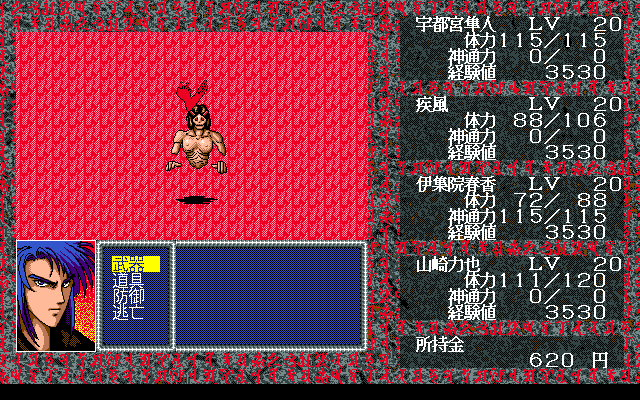
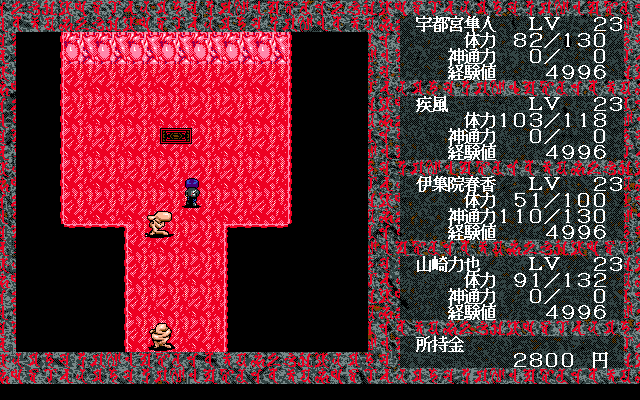
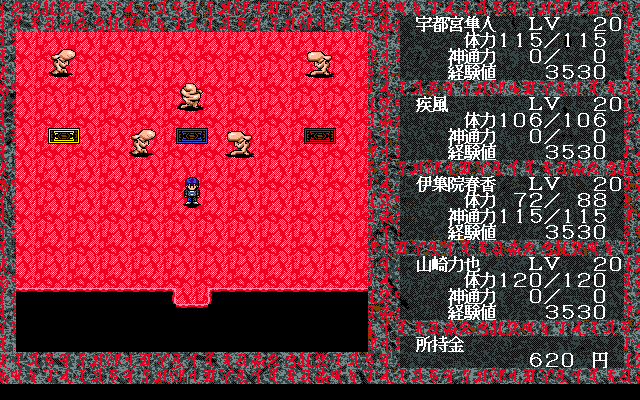
Shiki Oni no Koku: Chūgokuhen – Daisanshō delivers a streamlined JRPG experience that emphasizes dungeon crawling and strategic encounters over town-building or gear optimization. You guide a party of up to four characters through sprawling, maze-like caverns and palaces, encountering demons in real time on the field. Contact between your group and an enemy sprite triggers a turn-based, first-person battle—an approach that injects tension into every corridor as you weigh whether to engage or evade.
(HEY YOU!! We hope you enjoy! We try not to run ads. So basically, this is a very expensive hobby running this site. Please consider joining us for updates, forums, and more. Network w/ us to make some cash or friends while retro gaming, and you can win some free retro games for posting. Okay, carry on 👍)
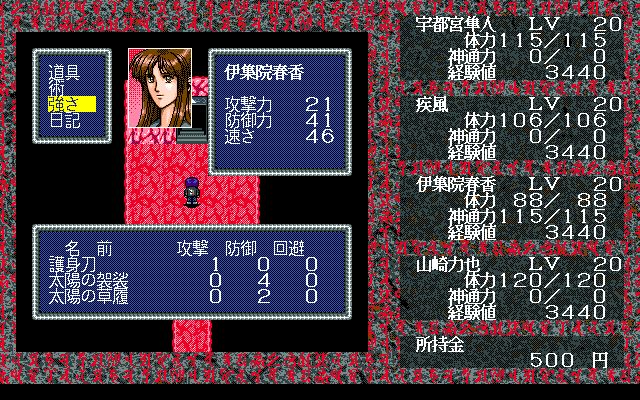
Despite its simplicity, the combat system demands thoughtful use of limited magical abilities and character positioning. There are no weapons or armor to juggle and only a handful of spells to learn, so success hinges on smart resource management and anticipating enemy weaknesses. As you and your companions level up—having already reached level 20 by the start of this third episode—you’ll find that boss fights and later palace guardians require precise coordination and a balanced party composition.
The episodic structure unfolds seamlessly: each chapter picks up exactly where the last left off, reinforcing a sense of continuity as you delve deeper into the Heavenly King’s palace. Riddles and environmental puzzles scattered throughout the halls force you to pause from combat and engage in light brain teasers, breaking up the action and lending variety to exploration. While there’s no hub town to return to, the game’s pacing and logical dungeon layouts keep progression feeling both natural and rewarding.
Graphics
Visually, Chūgokuhen – Daisanshō embraces the late-’90s aesthetic with pixel art that balances charm and menace. Dungeon walls are textured in muted stone hues, while demon designs range from grotesque abominations to sleek, dragon-like adversaries. The first-person battle sequences feature detailed enemy portraits that heighten the impact of each encounter and provide a welcome contrast to the sparse exploration view.
Compile’s engine may be modest by modern standards, yet it conveys atmosphere effectively. Flickering torch animations and subtle color shifts signal transitions between dungeon floors, lending a feeling of depth to otherwise flat environments. Cutscenes are rare, but carefully framed story panels and character portraits during dialogue deliver emotional weight when the narrative demands it.
Even without flashy special effects or 3D models, the game maintains visual consistency throughout its chapters. The Heavenly King’s palace, in particular, stands out with its soaring ceilings, ornate gates, and strategically placed light sources that cast dramatic shadows. This attention to environmental detail enhances the sense of foreboding as you ascend toward the climactic confrontation.
Story
The backdrop of global Armageddon in 1999 and the emergence of the shiki-oni set a grim, high-stakes premise. Japanese scientists’ ill-fated genetic experiments gave birth to these powerful demons, who swiftly subjugated humanity. Against this apocalypse, the game weaves a tale of resistance and legacy, exploring what happens when human courage collides with supernatural might.
At the series’ heart is Hayato, the hybrid son of a human mother and the Demon Dragon himself. This dual heritage fuels his personal struggle: he yearns to save the human race yet bears the blood of their greatest nemesis. As you advance through each episode, Hayato’s internal conflict surfaces in critical dialogue moments, giving emotional resonance to his quest and the choices he must make when facing allies or adversaries who question his loyalties.
In Daisanshō, the narrative tension peaks as Hayato and his friends breach the palace of the Heavenly King of the West. Here, every solved riddle and defeated guardian brings them closer to a confrontation with the Demon Dragon. The stakes feel tangible, and the pacing—bolstered by interludes of character banter and environmental storytelling—ensures you remain invested in both the personal and planetary fate at hand.
Overall Experience
Shiki Oni no Koku: Chūgokuhen – Daisanshō offers a focused, atmospheric adventure for those drawn to exploration-driven RPGs. Its pared-down mechanics remove the clutter of equipment management, allowing you to devote attention to dungeon navigation and tactical battles. The result is a lean experience that rewards patience, curiosity, and strategic thinking.
The graphics and sound design, while dated, effectively build a haunting atmosphere. Limited NPC interaction and the absence of traditional towns can feel isolating, but this also amplifies the game’s sense of urgency—you are deep in enemy territory, reliant solely on your party’s resilience. Episodic continuity encourages sustained engagement, as each chapter resolves a narrative thread while planting seeds for the next.
Ultimately, this third installment stands as a compelling midpoint for fans of the series and newcomers alike. If you appreciate tightly designed dungeons, a compelling protagonist caught between two worlds, and encounters that challenge both mind and valor, Chūgokuhen – Daisanshō will deliver a memorable, if unorthodox, JRPG experience. Prepare for methodical exploration, character-driven drama, and escalating battles as you strive to end the reign of the Demon Dragon once and for all.


Reviews
There are no reviews yet.