 Retro Replay Retro Replay gaming reviews, news, emulation, geek stuff and more!
Retro Replay Review
Gameplay
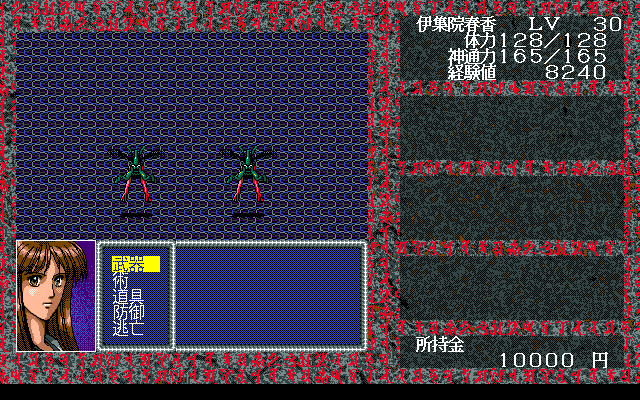
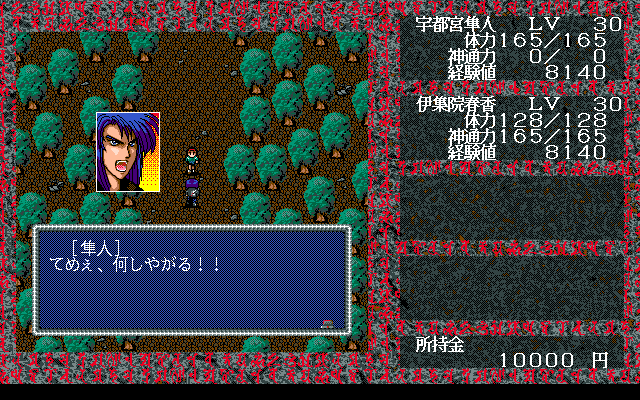
Shiki Oni no Koku: Chūgokuhen – Daiyonshō delivers a classic “light” Japanese-style RPG experience reminiscent of Compile’s earlier titles. Players guide a party of up to four characters through maze-like, top-down dungeons, where each step can reveal hidden corridors, secret rooms, or wandering demons. The sense of discovery is heightened by the visible enemy sprites on the map — contact triggers first-person, turn-based battles that demand careful positioning and strategic spellcasting.
(HEY YOU!! We hope you enjoy! We try not to run ads. So basically, this is a very expensive hobby running this site. Please consider joining us for updates, forums, and more. Network w/ us to make some cash or friends while retro gaming, and you can win some free retro games for posting. Okay, carry on 👍)
Combat in this final episode remains straightforward yet engaging. There are no traditional weapons or armor to juggle; instead, characters rely on innate abilities, including elemental magic learned through story progression. While the magic system is simple and lacks deep customization, it encourages players to think tactically about when to cast healing spells versus offensive incantations. The lack of towns and NPC hubs means few rest points, so resource management and effective use of limited healing items become crucial to survival.
Exploration is the heart of the gameplay loop. The branching dungeon layouts and locked doors guarded by powerful Heavenly Kings present a satisfying challenge for RPG veterans. Puzzles are minimal, but the eerie atmosphere and occasional side passages reward players who take their time to map out each floor. Overall, the streamlined mechanics keep the pace brisk, ensuring that fans of dungeon crawlers will find themselves eager to push deeper into the demon-infested ruins.
Graphics
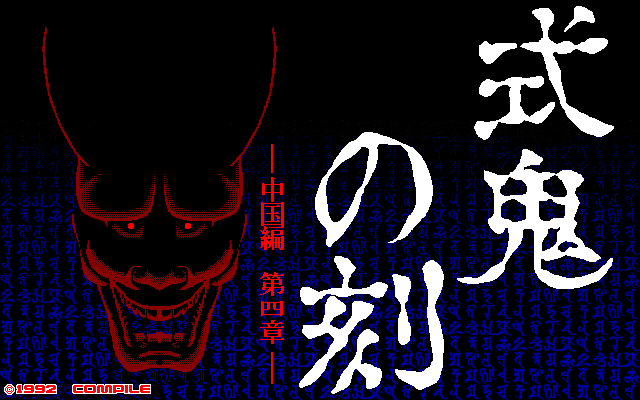
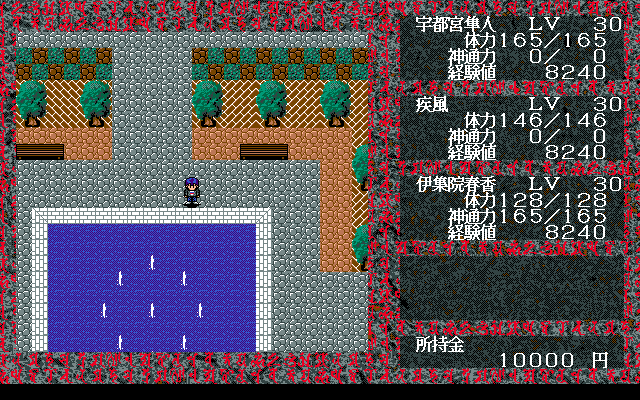
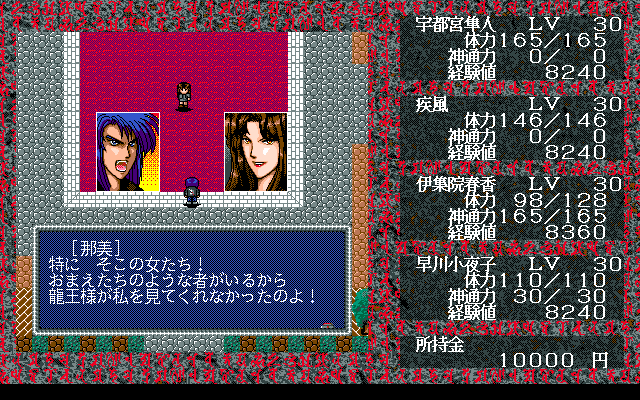
Visually, Shiki Oni no Koku: Chūgokuhen – Daiyonshō embraces the late-’90s pixel-art aesthetic, with richly detailed dungeon tilesets and moody color palettes that evoke a world on the brink of extinction. The top-down map view uses contrasting hues to distinguish between safe corridors and perilous zones, while the first-person battle sequences feature hand-drawn enemy portraits that bring each shiki-oni to life with vivid flair.
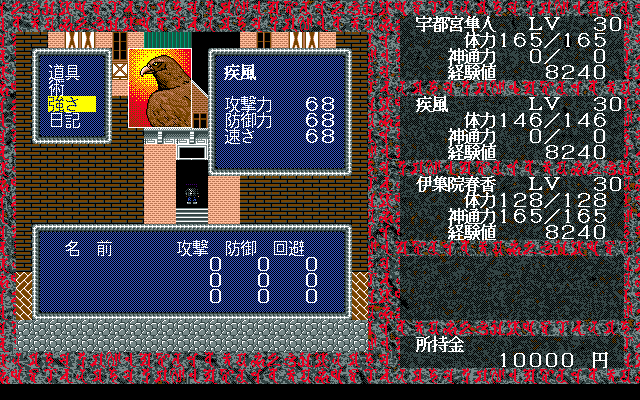
The character sprites are small but expressive, sporting distinctive silhouettes that make it easy to identify Hayato and his companions even in the dimly lit corridors. Environmental design shines most in the illusion city ruled by the Heavenly Queen of the North: shifting walls, spectral lanterns, and ghostly apparitions combine to create a surreal backdrop that underscores the narrative’s themes of memory and regret.
Although the resolution and frame rate reflect the hardware limitations of the era, careful animation frames—especially the fluid motion of demon attacks and spell effects—help the game avoid feeling static. Fans of retro RPGs will appreciate the nostalgic charm, while newcomers may be surprised at how atmospheric 2D pixel graphics can be when paired with thoughtful art direction.
Story
The narrative of Chūgokuhen – Daiyonshō picks up as the climax of an episodic saga that chronicles humanity’s struggle against the genetically engineered shiki-oni. By 1999, these demons have overrun civilization, leaving only pockets of survivors. Hayato, born of a human mother and the Demon Dragon, represents the final hope for mankind. His dual heritage sets the stage for a tale of identity, sacrifice, and redemption.
In this concluding chapter, Hayato and his allies—already seasoned adventurers at level 30—must confront the remaining Heavenly Kings scattered across Earth. The journey crescendos in the illusion city of the Heavenly Queen of the North, where reality blurs and past regrets materialize as hostile spirits. This chapter excels at weaving personal stakes into the broader conflict, as heroes grapple with memories of fallen comrades while racing to thwart the Queen’s plans.
The story balances epic, world-spanning stakes with intimate character moments. Dialogue is concise, focused on advancing the plot without excessive exposition, which keeps the pace tight. Between battles, brief cutscenes and atmospheric interludes build tension, culminating in a memorable final confrontation with Hayato’s father, the Demon Dragon. Players invested in the saga will find the resolution satisfying, even if it leans on familiar JRPG tropes.
Overall Experience
Shiki Oni no Koku: Chūgokuhen – Daiyonshō stands out as a niche gem for fans of old-school dungeon crawlers and retro Japanese RPGs. Its minimalist approach to equipment and NPC interactions keeps the focus squarely on dungeon exploration and turn-based strategy. While newcomers accustomed to modern conveniences may find the lack of auto-mapping or quest logs challenging, dedicated players will appreciate the hands-on, survival-oriented design.
The game’s pacing is brisk, thanks to concise episodes and straightforward objectives. Sound design supports the mood with haunting chiptune tracks and atmospheric effects that underscore each dungeon’s personality. Although the simplicity of the mechanics may feel limiting for those seeking deep character customization, the streamlined systems serve the story well, ensuring that every level-up and spell learned carries weight in the final showdown.
Ultimately, this final episode caps off the Shiki Oni saga with an engaging blend of atmospheric graphics, strategic dungeon crawling, and a heartfelt narrative about heritage and hope. For players drawn to retro JRPGs or those curious about Compile’s lesser-known catalog, Chūgokuhen – Daiyonshō offers a concise, memorable adventure that honors its ’90s roots while delivering an experience that still resonates today.



Reviews
There are no reviews yet.