 Retro Replay Retro Replay gaming reviews, news, emulation, geek stuff and more!



Retro Replay Review
Gameplay
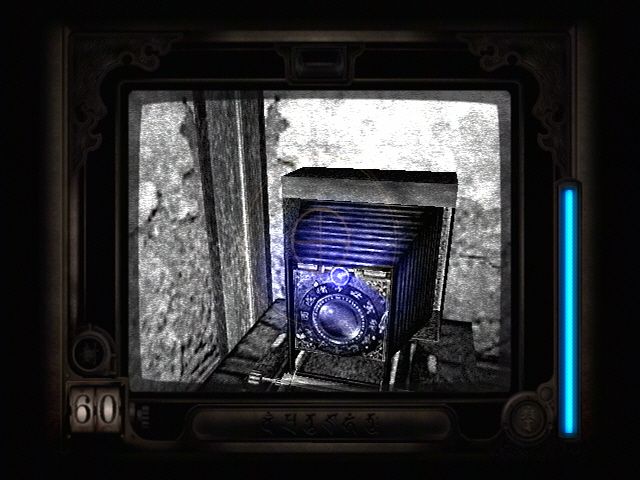
Fatal Frame’s gameplay centers on its unique Camera Obscura mechanic, which transforms the act of combating ghosts into a strategic, pulse-pounding experience. Rather than relying on conventional weapons, players must focus their lens on spirits to weaken and ultimately capture them. This system demands precision timing and composure; holding a ghost within the viewfinder as it materializes charges the shot, while snapping photos at the right moment yields the most spirit points.
(HEY YOU!! We hope you enjoy! We try not to run ads. So basically, this is a very expensive hobby running this site. Please consider joining us for updates, forums, and more. Network w/ us to make some cash or friends while retro gaming, and you can win some free retro games for posting. Okay, carry on 👍)
The mansion itself serves as an intricate playground of horrors, full of hidden pathways, locked doors, and environmental puzzles. Fatal Frame weaves exploration with light puzzle-solving—finding keys, decoding ghostly messages, and triggering spectral sequences that unlock new areas. These puzzles often require the Camera Obscura’s secondary functions, such as revealing hidden clues or dispelling illusions, which keeps the gameplay loop varied and engaging.
Resource management is crucial. Spirit points, earned by photographing ghosts, are the currency used to upgrade the camera’s power, speed, and special effects like slowing or repelling apparitions. Deciding when to invest in increased damage versus utility upgrades adds a layer of strategy, especially as tougher spirit encounters demand more potent camera abilities. This progression system gives players a tangible sense of growth while preserving the game’s tense atmosphere.
Graphics
Despite its original release date, Fatal Frame’s visuals remain remarkably effective at evoking dread. The mansion’s dilapidated halls and shadowy corridors are rendered in muted tones, with flickering lights and eerie environmental details that heighten a sense of unease. Subtle animations—like curtains swaying or the reflection of a ghostly figure in a broken mirror—keep players on edge even when nothing overtly attacks.
Character models and ghost designs showcase a palpable attention to horror aesthetics. Miku’s cautious movements and frightened expressions convey vulnerability, while each spirit’s appearance—from semi-transparent apparitions to grotesque full-body entities—captures a unique brand of terror. The interplay between light and shadow, accentuated by the camera’s flash, creates chilling moments where ghosts burst into view in sudden, startling flashes.
Textural details and sound design complement the graphics, making the mansion feel alive with supernatural presence. Wallpaper patterns peel with age, dusty floors creak underfoot, and the persistent echo of distant sobs or whispers adds depth to the visual experience. Although polygon counts and color palettes may feel dated by today’s standards, the game’s artistic direction ensures its environments remain as disturbing and immersive as ever.
Story
Fatal Frame’s narrative is built around Miku Hinasaki’s desperate quest to find her missing brother, Mafuyu, who ventured into the mansion alongside his mentor, Junsei Takamine. The premise strikes a personal chord: Miku’s determination and fear are palpable as she steps alone into the supernatural abyss in hopes of a reunion. This emotional undercurrent drives players forward, even as they face both psychological and physical horrors.
The mansion holds the chilling legacy of a powerful landowner whose rituals and tragedies have left a malevolent mark on the estate. As Miku uncovers journals, letters, and spectral visions, the story unfolds in fragmented vignettes that gradually reveal the landowner’s twisted obsessions and the fates of countless victims. This fragmented storytelling encourages exploration and rewards players with a deeper understanding of the mansion’s haunted history.
Interspersed cutscenes and ghostly flashbacks weave a tale of love, betrayal, and otherworldly vengeance. Miku’s interactions with benevolent and hostile spirits alike shed light on her family ties and the mansion’s dark past. The game’s deliberate pacing—oscillating between quiet investigation and sudden terror—allows the narrative to build tension organically, culminating in revelations that feel earned and emotionally resonant.
Overall Experience
Fatal Frame offers a distinctive survival horror experience that stands apart from shooter-centric contemporaries. The Camera Obscura mechanic creates a novel risk-and-reward system: players must get close enough to ghosts to capture them, balancing the fear of direct spectral contact with the need to gather spirit points. This approach keeps encounters tense and deeply engaging, fostering a sense of vulnerability that few games achieve.
The game’s atmosphere is its greatest asset. Every corridor, room, and hidden alcove feels laden with potential surprises. Even simple exploration becomes an exercise in dread, as the unknown lurks behind every corner and ancient shrine. Combined with a haunting soundtrack and ambient audio cues, Fatal Frame sustains a chilling mood that lingers long after the console powers down.
While some modern players may find the graphics and controls dated, the core experience remains powerful. Fatal Frame’s blend of emotional storytelling, atmospheric design, and innovative combat ensures it retains its place as a cornerstone of the horror genre. For those seeking a game that emphasizes tension and psychological terror over action, Miku Hinasaki’s journey is an unforgettable descent into darkness.



Reviews
There are no reviews yet.