 Retro Replay Retro Gaming History, Reviews & Emulation

Game Overview
Gameplay
Inquisition feels strongest when you are leading a capable party into a dangerous fight, then pausing long enough to turn confusion into a plan. You can directly control one character for immediate action or stop the battle to issue orders across the whole group. That flexibility is a major strength. If you want to stay in the thick of it as a warrior, rogue, or mage, you can. When an encounter gets messy, tactical pause lets you inspect enemy strengths and weaknesses and give everyone a more deliberate job.
Character building has enough room to make your Inquisitor feel personal. Race, gender, class, specialization, equipment, crafting, party composition, and companion abilities all feed into the sense that you are shaping both a hero and an organization. The war table is especially effective at widening that scope: Cullen, Josephine, and Leliana handle assignments that can open up new quests, characters, and areas. It makes the Inquisition feel like more than a quest log with a fancy name.
The frustration is pacing. There are many sidequests spread across large regions, and not all of them deserve equal attention. Power is needed to open new areas, so it is easy to feel nudged toward chores when you would rather follow the strongest story threads. Recommended levels can also make a main mission feel like something you need to postpone. The smart way to play is to be selective. Close rifts, pursue companion quests, and follow the missions that interest you instead of treating every icon and errand as mandatory work.

Graphics
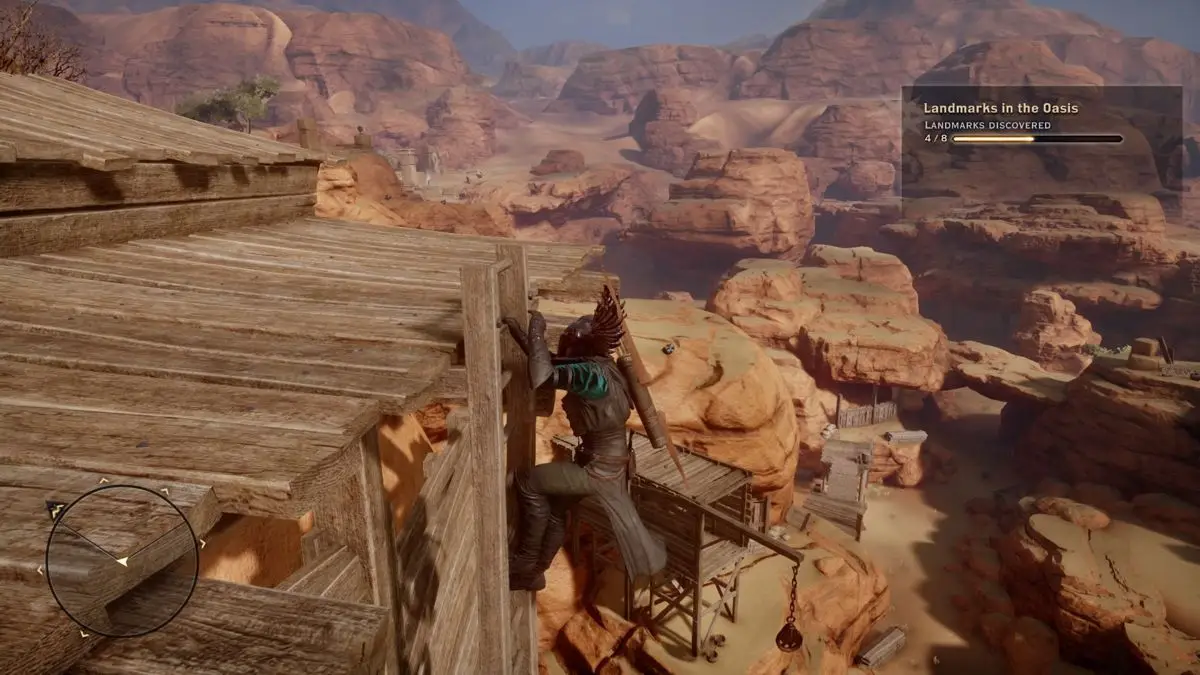
The PlayStation 4 version gives Thedas some striking terrain to roam through. A rider crossing a sunlit shallow river between wooded slopes looks calm and inviting, while the rocky desert canyon has layered orange cliffs, rough wooden platforms, and a real sense of height. Combat turns much louder: glowing green rifts hang overhead as blue lightning, purple magic, and orange blasts crowd the battlefield. The effects can make a busy fight look chaotic, but they give encounters an appropriately supernatural punch.

Story
The opening puts you in an unusually good position for a Dragon Age protagonist: blamed for a disaster you cannot remember, marked with the power to close breaches from the Fade, and pushed into becoming the Herald of Andraste. The larger conflict has plenty to work with, from the mage-Templar war to Orlais’s civil war, but the real draw is the chance to define allegiances and build relationships with companions. Romances and character-focused quests give the political upheaval a more human reason to matter.
Overall Experience
This is a big, uneven RPG that often feels better than its most repetitive assignments. When you are choosing whom to support, assembling a party around your preferred class, and taking on a mission with real stakes, Inquisition delivers the grand-scale Dragon Age fantasy very well. The series’ blend of personal choices and continent-sized trouble has room to breathe here.
It is also a game that benefits from resisting completionist instincts. The optional content can make each region feel stuffed rather than richly curated, and the requirement to gather Power before opening more of the adventure can interrupt momentum. You do not need to prove your dedication by doing everything. Follow the parts that give you a story, a companion, or a compelling battle, and leave the rest behind.
If you enjoy party-based RPGs where your character’s build and relationships matter as much as the next fight, Inquisition is worth the commitment. The tactical option gives combat welcome depth, the central conflict has enough political tension to sustain a long campaign, and the Inquisition itself makes your victories feel connected. It asks for patience, but its best stretches make that patience pay off.
Reviews
There are no reviews yet.