 Retro Replay Retro Gaming History, Reviews & Emulation
Game Overview
Gameplay
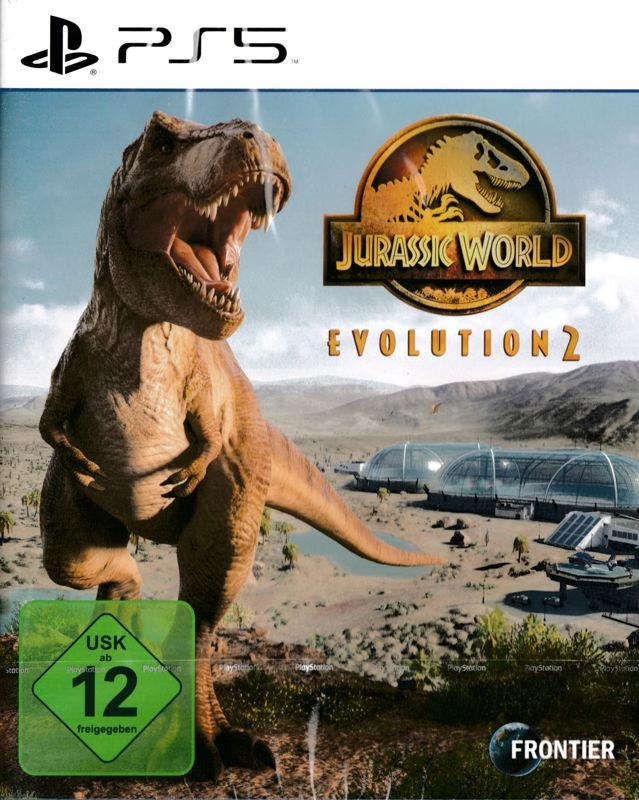
Jurassic World: Evolution 2 starts with a wonderfully direct fantasy: build the dinosaur park you would want to visit, populate it with creatures, and try to keep everyone safe. That dream gets more interesting when the animals stop being decorations. Each dinosaur has health, feeding, and social needs, so an enclosure is not finished just because it looks tidy. You are constantly asking whether a new addition will thrive, cause trouble, or send the rest of the park into a costly spiral.
The strongest part is the tension between expanding and maintaining what you already own. More than 70 dinosaur species gives you plenty to work toward, while genome modification lets you alter an animal’s appearance, behavior, and traits. That adds welcome personality to your collection, but it also makes decision-making feel less automatic. A new dinosaur is an investment with consequences, not merely another attraction to place.
Terrain variety helps prevent the construction from feeling too samey. Building among deserts, forests, and snow-covered landscapes asks you to account for different environmental pressures alongside the usual demands of resources and visitor satisfaction. The management load can become frustrating when several animal and park concerns need attention at once, especially if you prefer a laid-back builder. But for you, that pressure may be exactly why a stable, profitable park feels earned.
Story
This is a licensed Jurassic World management game first and foremost, so its main drama comes from the stories your parks create: an ambitious expansion, a difficult animal-care problem, and the scramble to keep visitors safe while your plans grow more complicated. The sequel framework and familiar dinosaur-world premise give the simulation an easy hook, even when the focus stays on running the park rather than telling a detailed narrative.
Overall Experience
Evolution 2 understands that dinosaurs are more fun when they are both impressive and inconvenient. It gives you the pleasure of designing a park around them, then insists that you take responsibility for their welfare and the people standing nearby. That combination makes the game more involving than a simple construction sandbox.
Its biggest strength is how many interconnected concerns sit behind the fantasy. Enclosures, resources, animal health, social interactions, visitor happiness, and safety all compete for attention. There is a real satisfaction in untangling that mess, but the game asks for patience. If you only want to place dinosaurs and admire the results without much upkeep, the constant management may wear you down.
For fans of the first game, this is a worthwhile step forward because it broadens the dinosaur roster and gives you more ways to shape their traits and manage varied locations. For newcomers, it is an easy recommendation if you enjoy simulations where a good plan can unravel and careful adjustments bring it back under control. The payoff is not just having a park full of dinosaurs. It is knowing you kept that park running when it had every reason to fall apart.



Reviews
There are no reviews yet.