 Retro Replay Retro Replay gaming reviews, news, emulation, geek stuff and more!
Retro Replay Review
Gameplay
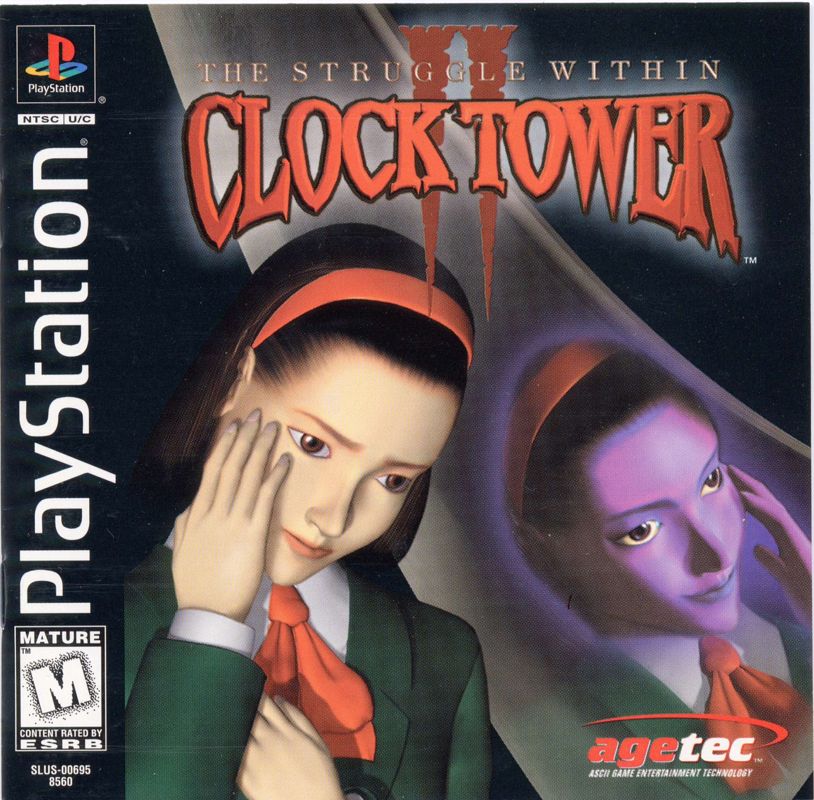
Clock Tower II: The Struggle Within blends classic point-and-click exploration with unexpected bursts of action, creating a tense gameplay rhythm that keeps players constantly on edge. The inventory-based puzzle system demands careful observation of the environment, forcing you to piece together clues and items that unlock new areas of the mansion. Each object you pick up might be the key to escaping the next looming threat.
(HEY YOU!! We hope you enjoy! We try not to run ads. So basically, this is a very expensive hobby running this site. Please consider joining us for updates, forums, and more. Network w/ us to make some cash or friends while retro gaming, and you can win some free retro games for posting. Okay, carry on 👍)
What sets this title apart is the incorporation of real-time chase sequences. As you navigate the eerie corridors, you can suddenly be confronted by zombies or the infamous scissorman, forcing you to make split-second decisions. The mouse-driven interface handles surprisingly well in these high-stress moments, though it can feel clunky if you’re unprepared for sudden pursuits.
The split-personality mechanic truly shines in gameplay. Depending on whether you’re in your “true” or “evil” persona, dialogue options shift and previously inaccessible paths open up. This not only adds replay value but also influences which clues you discover and which enemies you encounter. Balancing the two sides of your character becomes as much a puzzle as the environmental riddles themselves.
While the action elements may feel rudimentary by modern standards, they reinforce the game’s horror roots. You can’t outgun every threat, so stealth and quick thinking are often your best weapons. Carving out a subtle strategy—sneaking past undead hordes or using environmental hazards against your pursuers—elevates tension and rewards patience.
Graphics
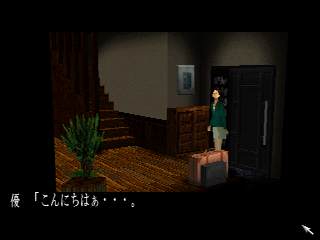
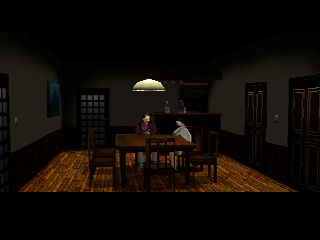
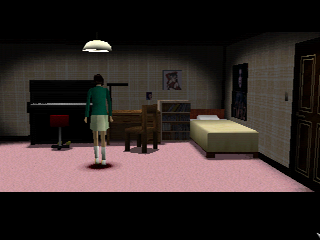
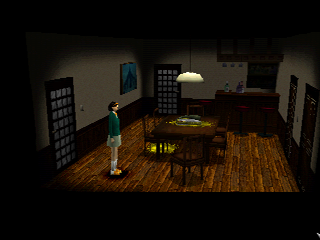
Clock Tower II employs pre-rendered backgrounds that evoke a claustrophobic atmosphere, filled with ominous shadows and decaying corridors. The richly detailed environments showcase the mansion’s Gothic architecture, while subtle lighting effects accentuate the game’s claustrophobic horror setting. Every flickering candle and broken painting contributes to an immersive, unsettling mood.
Character models are polygonal and somewhat blocky by today’s standards, but their animations deliver unexpected realism during chase sequences. When the scissorman lurches toward you or zombies claw at your heels, their stiff yet deliberate movements are suitably disturbing. Facial expressions, though limited, convey enough emotion to make key story beats resonate.
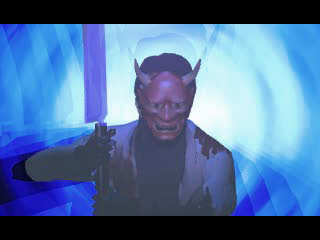
Cutscenes, rendered in a higher resolution, punctuate the narrative with dramatic flair. Their stark contrasts and moody color palette heighten suspense, especially during major reveals. Sound design, meanwhile, works hand-in-hand with visuals: distant wails, creaking floorboards, and the rasp of a machete against metal all reinforce the sense of peril.
Despite hardware constraints of its era, Clock Tower II’s art direction succeeds in creating an enduringly haunting world. Rather than relying on flashy effects, it uses atmosphere—dense fog rolling through windows, dripping blood on stone walls—to etch fear into the player’s memory long after the console is turned off.
Story
At the heart of Clock Tower II lies a deeply unsettling narrative about identity, trauma, and family secrets. You play as Alyssa Hale, a teenager grappling with an unknown past and a split personality that alternates between her innocent self and a darker alter ego. This central conflict drives every encounter, making the hunt for answers as psychologically taxing as the physical chase scenes.
Early in the game, whispers and fragmented visions hint at a tragic history involving your parents and the ghostly “Headless” entity. Unraveling these mysteries leads you through hidden diaries, coded letters, and harrowing flashbacks. The game’s nonlinear storytelling rewards curiosity, with multiple pathways that shed new light on Alyssa’s fractured mind.
The supporting cast, including mysterious allies and twisted antagonists, all serve to muddy the waters of truth. Is the little girl with the butcher knife a figment of Alyssa’s psyche or a real threat? Is the machete-wielding maniac a protector gone mad, or part of a darker conspiracy? These morally grey characters force you to question every ally and every clue.
By the finale, the lines between Alyssa’s two personas blur irrevocably, culminating in an ending that depends on the choices you’ve made throughout the game. While the resolution may feel abrupt, it aptly reflects the thematic core: in the struggle within, the only certainty is ambiguity.
Overall Experience
Clock Tower II: The Struggle Within remains a cult classic for fans of psychological horror. Its haunting atmosphere, innovative split-personality mechanic, and blend of point-and-click puzzle-solving with sudden action sequences deliver a unique experience that holds up surprisingly well. You’ll find yourself pausing frequently to catch your breath, review clues, and steel your nerves for the next chase.
The learning curve can be steep, especially if you’re new to ‘90s survival-horror conventions. Inventory management and environmental puzzles require patience, and frequent save points are scarce. However, the sense of accomplishment when you finally outwit a relentless pursuer or unlock a hidden truth is immensely satisfying.
Replayability is high thanks to branching storylines and alternate endings driven by your choices and persona shifts. Even after the first playthrough, you’ll want to revisit the mansion to uncover every secret and face every terror. For horror aficionados seeking a cerebral challenge wrapped in a nightmarish setting, this installment delivers.
While Clock Tower II may feel dated in some respects, its core strengths—atmospheric dread, psychological intrigue, and creative puzzle design—ensure it remains a worthwhile play. This game doesn’t just scare you; it makes you question your own mind as much as the horrors stalking its dark hallways. For those willing to brave its haunting corridors, it offers an experience that lingers long after the final credits roll.


Reviews
There are no reviews yet.