 Retro Replay Retro Replay gaming reviews, news, emulation, geek stuff and more!
Retro Replay Review
Gameplay
Jikkyō Oshaberi Parodius retains the classic horizontal‐scrolling shooter mechanics familiar to fans of Gradius, while amplifying the series’ trademark humor. The core loop of dodging intricate bullet patterns, grabbing power‐ups, and taking down over‐the‐top bosses remains as addictive as ever. Newcomers will appreciate the inclusion of difficulty settings, which allow players to scale enemy aggression and bullet density to their skill level, making the game accessible without sacrificing challenge for series veterans.
(HEY YOU!! We hope you enjoy! We try not to run ads. So basically, this is a very expensive hobby running this site. Please consider joining us for updates, forums, and more. Network w/ us to make some cash or friends while retro gaming, and you can win some free retro games for posting. Okay, carry on 👍)
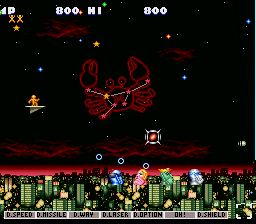
The diverse arsenal of weapons and power‐ups injects constant variety into each run. From the standard red capsules that upgrade your main shot to the whimsical white megaphone bells that broadcast damaging audio taunts, every icon on the screen feels like a surprise waiting to happen. Strategic use of blue “big bomb” bells and purple screen-clear bells adds depth to encounters, encouraging players to manage their resources wisely and pull off cinematic screen wipes during tight boss fights.
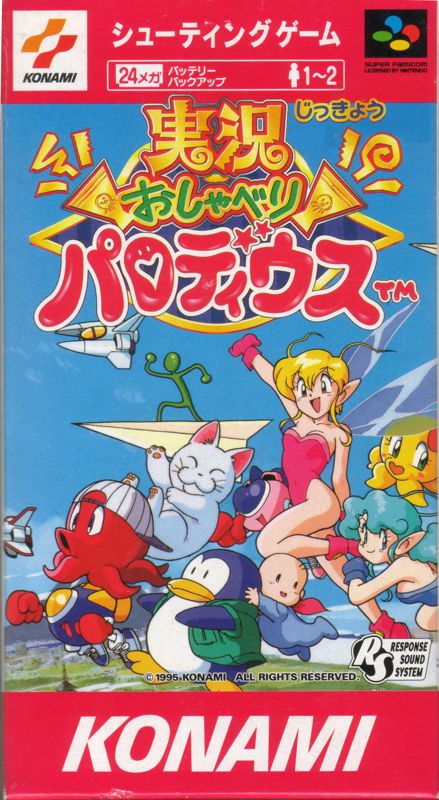
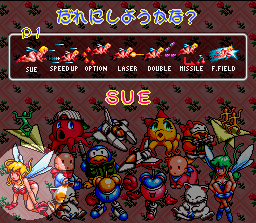
One of the standout features in this installment is the roster of sixteen playable characters, each boasting unique weapons and firing patterns. Whether you’re piloting Vic Viper with its faithful Gradius lasers, guiding Upa the baby to unleash a screen-clearing Mega Crush, or sending waves of kitten‐powered projectiles with Mike, the gameplay shifts dramatically. This variety not only boosts replay value, but also fosters experimentation, inviting players to discover which character best suits their preferred playstyle or simply gives them the biggest grin.
Graphics
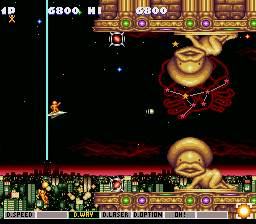
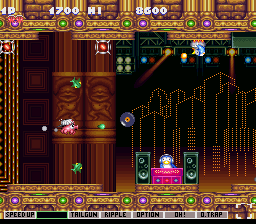
Graphically, Jikkyō Oshaberi Parodius embraces a vibrant, cartoon‐inspired palette that leaps off the screen. Backgrounds range from pastel skies to gaudy carnival stages, each bursting with playful details—dancing penguins, floating sushi plates, and grinning mechanical octopuses—all rendered in crisp, colorful sprites. The result is a constant visual feast that keeps you fully engaged level after level.
The game’s sprite animations are fluid and expressive, breathing life into both the player characters and the bizarre enemies you face. Watching Pentaro’s potion shots splatter against obstacles, or seeing Soitsu drop tiny stickmen who occasionally break into a dance, is an absolute delight. Even the bullet patterns, often choreographed into ridiculous shapes, serve as part of the spectacle rather than mere hazards, making each stage feel like a carefully directed comedic sequence.
Jikkyō Oshaberi Parodius also introduces snippets of digital voice acting, seamlessly integrated into the action. Whether your character is shouting catchphrases through a megaphone or delivering a triumphant quip after defeating a boss, the sampled voices add personality and charm. Though simple by modern standards, these vocal lines enhance the sense of performance that Parodius is celebrated for, turning each stage into a mini variety show.
Story
True to its parody roots, the narrative of Jikkyō Oshaberi Parodius is light on plot but heavy on whimsical scenarios. Rather than weaving a complex tale, the game stages a collision of worlds: classic Konami icons, fairy‐tale creatures, and random everyday objects all clash in absurdly creative settings. This mash-up approach ensures that every level feels like a new punchline in an ongoing cosmic joke.
Boss encounters epitomize the game’s surreal humor, pitting you against everything from gigantic food items to mythical creatures with goofy grins. These showdowns rarely follow a logical progression—they’re designed to surprise and amuse, with one boss unleashing a barrage of dancing chicks, and the next riding a giant octopus into battle. The story may be minimal, but the bizarre encounters provide all the narrative flavor you need.
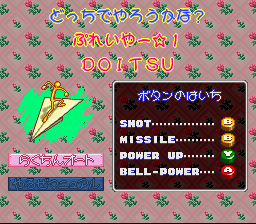
Between levels, brief cut-ins and character select screens reveal just enough background to spark curiosity without slowing down the action. The choice of sixteen protagonists—ranging from Vic Viper to Memim the bikini fairy—suggests an underlying interdimensional tournament, but the real focus remains on delivering punchy, comedic vignettes. In Parodius fashion, story is a backdrop for over-the-top spectacle rather than a driver for deep drama.
Overall Experience
Jikkyō Oshaberi Parodius stands out as one of the most whimsical and accessible entries in the Parodius franchise. The adjustable difficulty makes it a perfect pick for players who want a casual shooter romp as well as for hardcore fans chasing perfect runs. Each playthrough feels fresh thanks to the huge cast, varied power‐up system, and ever-shifting stage designs.
The game’s charm is undeniable: from the riotous visual design to the surprisingly strategic resource management, it strikes an ideal balance between chaos and control. Boss battles feel like mini variety acts, and the handful of voice samples sprinkled throughout only sharpen the showmanship. Even after more than two decades, the colorful sprites and infectious soundtrack hold up, offering a timeless experience for both retro enthusiasts and new players curious about Konami’s zany side.
Ultimately, Jikkyō Oshaberi Parodius succeeds by embracing its parody roots while refining core shooter mechanics. It’s an energizing ride that invites repeated plays, whether you’re chasing high scores, unlocking every character, or simply wanting to laugh at the next bizarre boss gimmick. For anyone seeking a shooter that doesn’t take itself too seriously—but still delivers tight, rewarding gameplay—this Parodius installment is an absolute must‐try.


Reviews
There are no reviews yet.