 Retro Replay Retro Replay gaming reviews, news, emulation, geek stuff and more!

Retro Replay Review
Gameplay
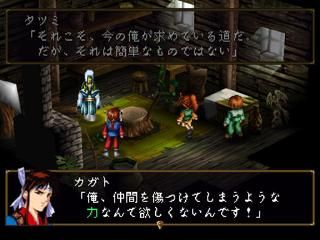
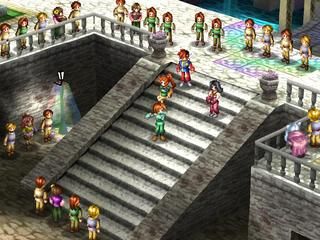
Khamrai’s gameplay stands out by weaving together two distinct playstyles as you switch between Kagato, the curious country boy, and Fushi, the calculating Immortal. Kagato’s segments follow a more traditional JRPG exploration model, letting you roam villages, forage for hidden items, and engage in quests that gradually build your connection with the world. In contrast, when playing as Fushi, the game adopts a more strategic approach, emphasizing the broader implications of your divine interventions and the subtle manipulation of events behind the scenes.
(HEY YOU!! We hope you enjoy! We try not to run ads. So basically, this is a very expensive hobby running this site. Please consider joining us for updates, forums, and more. Network w/ us to make some cash or friends while retro gaming, and you can win some free retro games for posting. Okay, carry on 👍)
One of the game’s most innovative mechanics is the dynamic relationship system. Each party member tracks their affinity—ranging from trust to outright hostility—towards either protagonist. Decisions in dialogue, side-quest outcomes, and even tactical choices in battle (like choosing to heal or letting a companion fall) all feed into this living web of loyalties. As these affinities shift, so do the abilities and spells your characters can learn, providing tangible feedback for your moral and strategic decisions.
Combat in Khamrai is largely automated by default, allowing for a smooth, narrative-driven pace. You’re invited to step in at critical moments: selecting primary targets, toggling between aggressive or defensive stances, and issuing spellcasting orders. This hybrid model keeps the action flowing without overwhelming players who prefer story immersion, while still offering layers of control for those who want to optimize each encounter.
Graphics
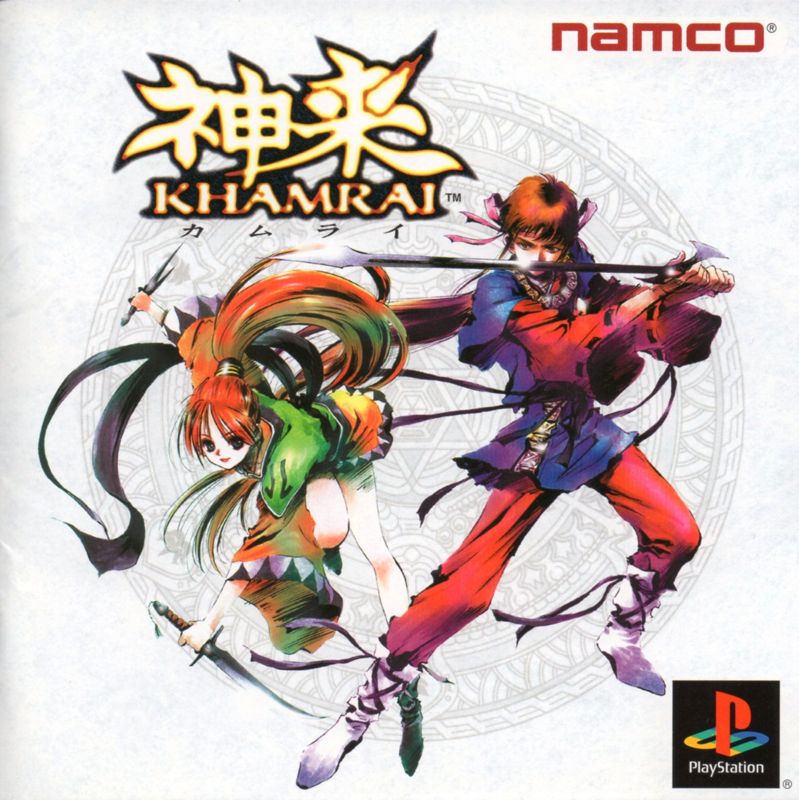
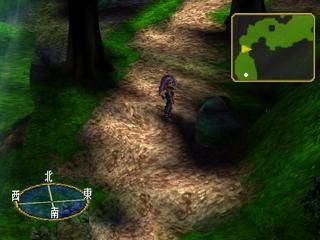
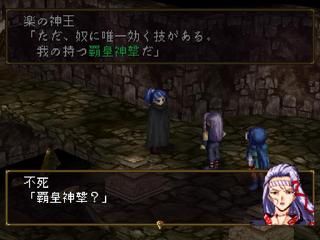
Khamrai embraces a hand-painted art style that combines lush, pastoral landscapes with the ethereal glow of divine realms. The environments feel alive, from verdant forests dotted with sunbeams to mystic ruins awash in moonlight. Character sprites are meticulously detailed, capturing Kagato’s youthful optimism and Fushi’s enigmatic presence through subtle animation flourishes like shifting robes and flickering halo effects.
Battle scenes are presented with cinematic camera angles that emphasize key actions—cries of victory, devastating spells, and tense moments when a companion’s fate hangs in the balance. Spellcasting animations are particularly striking: fiery sigils swirl around the caster, then burst into a crescendo of light, reminding you of the divine vs. mortal stakes at play. Even the UI contributes to the atmosphere, with ornate borders and calligraphic fonts that evoke classical Japanese scrolls.
Performance remains stable across a variety of hardware, with quick load times between exploration and story segments. While some textures lack the polish of high-end console titles, the intentional art direction masks most technical limitations, resulting in a cohesive visual package that supports both the grounded and supernatural themes of the narrative.
Story
At its narrative core, Khamrai tells a compelling dual-perspective tale. Kagato’s journey starts as an archetypal hero’s adventure—seeking fortune and glory—but it’s soon complicated by Fushi’s inscrutable motives. As the Immortal, Fushi’s goal isn’t mere benevolence; it’s the subjugation of humanity under divine rule. This tension fuels a narrative that asks: are gods inherently benevolent, or do their ideals mask an insidious urge to dominate?
The story structure cleverly interleaves Kagato’s earnest quests with Fushi’s machinations, building toward an intertwined climax where player choices have real consequences. NPC reactions and side-quest outcomes vary dramatically depending on whom you favor. A town saved by Kagato might later criticize him for enabling Fushi’s high-handed tactics, illustrating how your allegiances echo across the world.
Compelling supporting characters populate the narrative, each influencing the protagonists’ arcs through their trust or resentment. Whether you’re forming a bond with a shy healer who only learns advanced spells after earning her faith, or facing a warrior who reviles divine interference, the story remains personal. These relationships aren’t just window dressing—they drive both character growth and the unfolding power struggle between gods and mortals.
Overall Experience
Khamrai delivers an experience that marries classic JRPG exploration with thoughtful innovation. The dual roles of Kagato and Fushi ensure that gameplay never becomes stale; you’re constantly shifting between human-scale adventures and godly oversight. This ebb and flow sustain both narrative momentum and player engagement across the game’s estimated 40–60 hour campaign.
The dynamic relationship system is more than a novelty—it rewards attentive play and reinforces the emotional weight of your choices. Though the automated combat occasionally feels hands-off, the strategic options you retain at key junctures keep battles meaningful. Newcomers to turn-based systems will appreciate the streamlined approach, while veterans can still micromanage critical spells and targets for optimal outcomes.
Ultimately, Khamrai is a thoughtful RPG that asks players to consider the line between guidance and domination. Its visual charm, layered storytelling, and emotionally resonant character dynamics make it a standout for fans of narrative-driven Japanese RPGs. Whether you’re drawn to Kagato’s earnest questing or Fushi’s divine intrigue, the game offers a richly woven tapestry of choices and consequences that will keep you invested until the final confrontation.


Reviews
There are no reviews yet.