 Retro Replay Retro Replay gaming reviews, news, emulation, geek stuff and more!




Retro Replay Review
Gameplay
Persona 2: Eternal Punishment builds on the solid turn-based framework of its predecessor, blending dungeon exploration with social simulation and the signature Demon Negotiation system. As Maya Amano, you guide a party of up to five characters through the streets and underground passages of Sumaru City, tackling randomly encountered demons in round-based combat. Each encounter offers the option to fight, flee or talk, and successful negotiations yield Tarot cards that grant access to powerful Personae.
(HEY YOU!! We hope you enjoy! We try not to run ads. So basically, this is a very expensive hobby running this site. Please consider joining us for updates, forums, and more. Network w/ us to make some cash or friends while retro gaming, and you can win some free retro games for posting. Okay, carry on 👍)
The Demon Conversation mechanic remains a standout feature, though it’s been streamlined: your party members adopt fewer behavioral modes when attempting to strike deals with fiends. Subtle tweaks to the fusion interface speed up Persona creation, automatically lining up compatible cards and freeing you from tedious menu navigation. Additionally, the new spell registration service lets you teach Personae spells they didn’t originally come with, adding depth to character builds and tactical flexibility in battle.
Outside combat, Mingling with NPCs and spreading rumors weave directly into the main plot, altering quests and unlocking hidden dungeons. A memorable twist comes mid-game when you choose between two potential party members, branching the story for a few hours. Completing both paths opens a secret post-game dungeon, rewarding dedicated players with rare Personae and a final challenge that ties up lingering mysteries.
Graphics
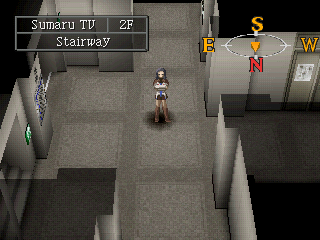
On the original PlayStation, Eternal Punishment’s visuals marry 2D hand-drawn anime cutscenes with fully 3D dungeon environments. Character portraits and dialogue scenes shine with expressive artwork, capturing Maya’s fiery determination and the eerie aura of the Joker. Environmental textures are slightly dated by modern standards, but the muted color palette and moody lighting perfectly complement the game’s urban noir vibe.
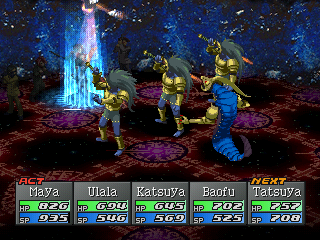
Battle animations bring Personae to life in flashes of color and dynamic motion. Summoning sequences remain a highlight: each mythical figure materializes with distinct poses and elemental effects. Backgrounds in combat zones—ranging from abandoned subways to fog-choked alleys—feel atmospheric and tense, reinforcing the game’s theme of confronting inner demons.
While frame rates occasionally dip when too many spell effects converge, the overall presentation is polished. The user interface is clean and intuitive, with menus that clearly display Persona stats, skills and fusion options. Even today, the graphical style holds nostalgic appeal for JRPG fans who appreciate classic anime aesthetics and early 3D experimentation.
Story
In a modern Japanese city plagued by mysterious murders, Maya Amano steps into the crosshairs of a supernatural conspiracy. Partnering with the boisterous fortune-teller Ulala and the brooding detective Katsuya, Maya’s journalistic instincts drive her deeper into a web of rumors and demonic mayhem. When the masked “Joker” announces that only the power of Personae can stop him, the stakes escalate from crime reporting to existential battle against otherworldly forces.
As a direct sequel to Persona 2: Innocent Sin, Eternal Punishment flips the narrative, revisiting familiar events from a fresh perspective. The story skillfully weaves personal drama with philosophical questions about guilt, redemption and the masks people wear in society. Dialogues crackle with wit and tension, and character arcs unfold through intimate cutscenes and in-game banter, building empathy for Maya’s struggle to reconcile her role as a journalist with her newfound supernatural responsibilities.
Branching paths deepen replay value: your mid-game choice influences which ally joins your team, alters key story beats and shapes the emotional climax. By experiencing both routes, you unlock hidden revelations in the secret dungeon—an optional finale that addresses unanswered questions and showcases the game’s thematic core: confronting the demons within.
Overall Experience
Persona 2: Eternal Punishment remains a compelling JRPG that marries psychological depth with accessible, engaging gameplay. Its blend of social interaction, dungeon crawling and demon summoning strikes a satisfying balance, rewarding strategic experimentation and thorough exploration. The rumor system adds an unpredictable layer of intrigue, making every chat with an NPC a potential game-changer.
Though rooted in late ’90s hardware, the game’s art direction, memorable soundtrack and character-driven narrative continue to resonate. Newcomers may find occasional backtracking or random encounters a bit grindy, but these design elements are emblematic of the era and can be mitigated by smart use of Personas and battle strategies. Fans of the wider Shin Megami Tensei franchise will appreciate the connections to Innocent Sin, while series newcomers will find plenty to enjoy in Maya’s self-discovery and the Joker’s enigmatic machinations.
Ultimately, Eternal Punishment delivers an engrossing journey through a city torn between rumor and reality, guided by one of the franchise’s most relatable protagonists. Whether you’re chasing down urban legends, negotiating with demons or unraveling a dual-narrative mystery, this game offers a rich, atmospheric experience that rewards curiosity and perseverance.

Reviews
There are no reviews yet.