 Retro Replay Retro Replay gaming reviews, news, emulation, geek stuff and more!
Retro Replay Review
Gameplay
Project Overkill throws you straight into the fray as one of four hardened mercenaries, each boasting unique weapon proficiencies and special abilities. The core loop revolves around explosive run-and-gun action, where chaining kills and racking up your body count unlocks powerful upgrades. Missions often branch into different routes, offering a degree of nonlinearity rarely seen in early PlayStation titles. Whether you opt for a stealthy infiltration or a full-blown assault, the game encourages experimentation by rewarding creative approaches to dispatching Terracom’s forces.
(HEY YOU!! We hope you enjoy! We try not to run ads. So basically, this is a very expensive hobby running this site. Please consider joining us for updates, forums, and more. Network w/ us to make some cash or friends while retro gaming, and you can win some free retro games for posting. Okay, carry on 👍)
Controls feel tight for their era, with a twin-stick style aiming system that translates surprisingly well on the original DualShock. You’ll quickly adapt to strafing, dodge-rolling and juggling between primary guns, explosives and special weapons. While some object collisions and hit detections can feel slightly inconsistent, the relentless pace of Project Overkill keeps frustration to a minimum. Ample checkpoints mean you rarely have to backtrack through entire levels after a tough firefight.
Replay value is a major strength. Each of the 50+ missions contains multiple secret areas, hidden weapon caches and diverging objectives. Going back to replay a level with a different mercenary or weapon loadout can unlock new paths and narrative tidbits. If you’re a completionist who loves hunting down every upgrade and Easter egg, Project Overkill offers hours of explosive mayhem beyond the first playthrough.
Graphics
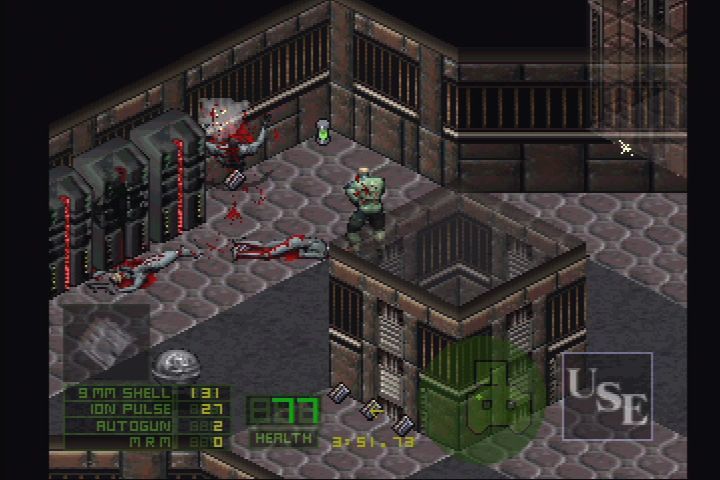
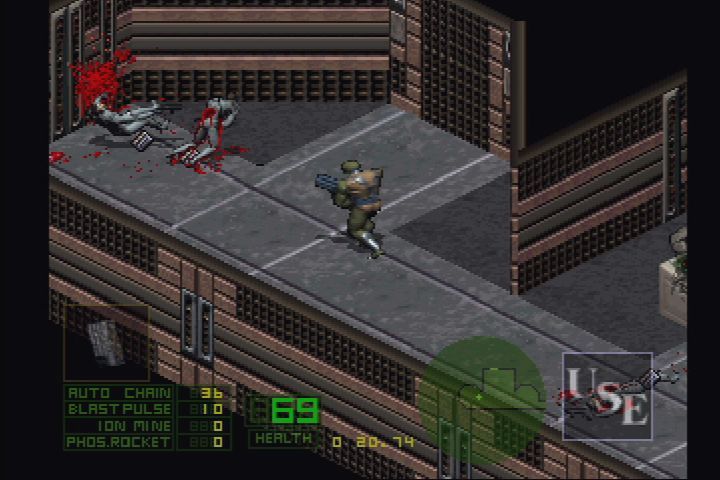
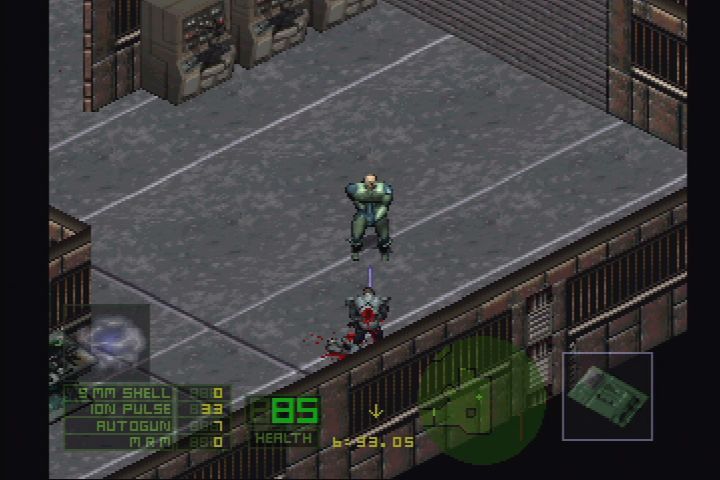
For an early PlayStation release, Project Overkill’s 3D-rendered environments hold up impressively well. The game employs a 3/4 isometric perspective that balances visibility and immersion, allowing you to survey the battlefield while still feeling part of the action. Textures can be pixelated by modern standards, but the gritty color palette and drenched-in-blood aesthetic inject energy into every corridor and cratered rooftop.
Character and enemy models are chunky yet detailed, with armor plating, alien visages and gruesome death animations that underscore the game’s over-the-top tone. Explosions send debris flying realistically across the screen, and particle effects—though simple—help the carnage feel impactful. Frame rates occasionally dip in areas dense with smoke or shrapnel, but these moments are brief and rarely hamper your ability to dodge enemy fire.
Level design makes clever use of lighting and environmental hazards. Flickering industrial lamps cast ominous shadows, while toxic pools, electrified floors and collapsing platforms keep you on your toes. The combination of varied set pieces—from abandoned research labs to desert mining colonies—ensures visual diversity even if some textures repeat. Overall, the graphical presentation strikes a fine balance between technical limitations and artistic ambition.
Story
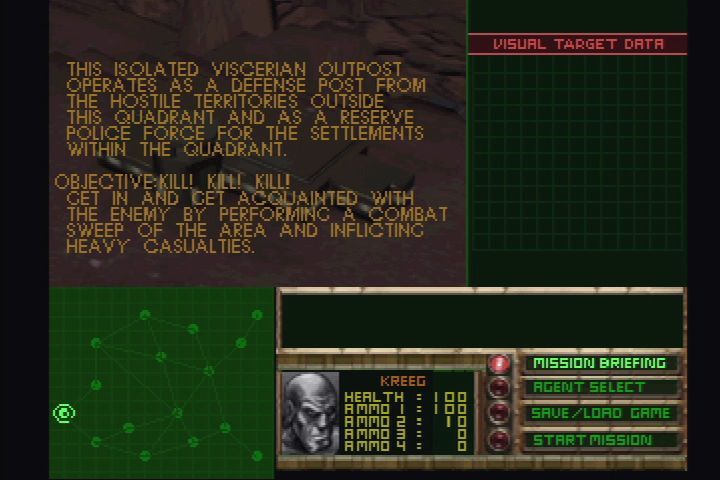
At its heart, Project Overkill unfolds a classic pulp-sci-fi tale: a ruthless mega-corporation bent on “unpopulating” planets for profit, versus a ragtag band of mercs determined to bring down the operation. While this premise isn’t groundbreaking, the game leans into it with tongue-in-cheek dialogue, newspaper-style mission briefings and occasional cutscenes that inject personality into otherwise mercenary characters.
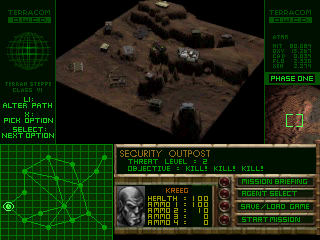
Each mission’s briefing provides context for your objectives, whether it’s sabotaging mass-processing plants or rescuing alien survivors. The narrative reveals corporate cover-ups and moral ambiguity, allowing you to sympathize with the resistance despite your character’s own questionable ethics. Story beats are short and to the point, ensuring you spend more time blasting drones than reading lengthy exposition.
Project Overkill’s strength is in pacing rather than plot twists. It doles out just enough lore to keep you invested, then delivers a new high-octane mission to maintain momentum. If you’re looking for deep character arcs, you might feel a bit underserved. However, fans of lean, action-driven storytelling will appreciate the streamlined approach that rarely interrupts gameplay.
Overall Experience
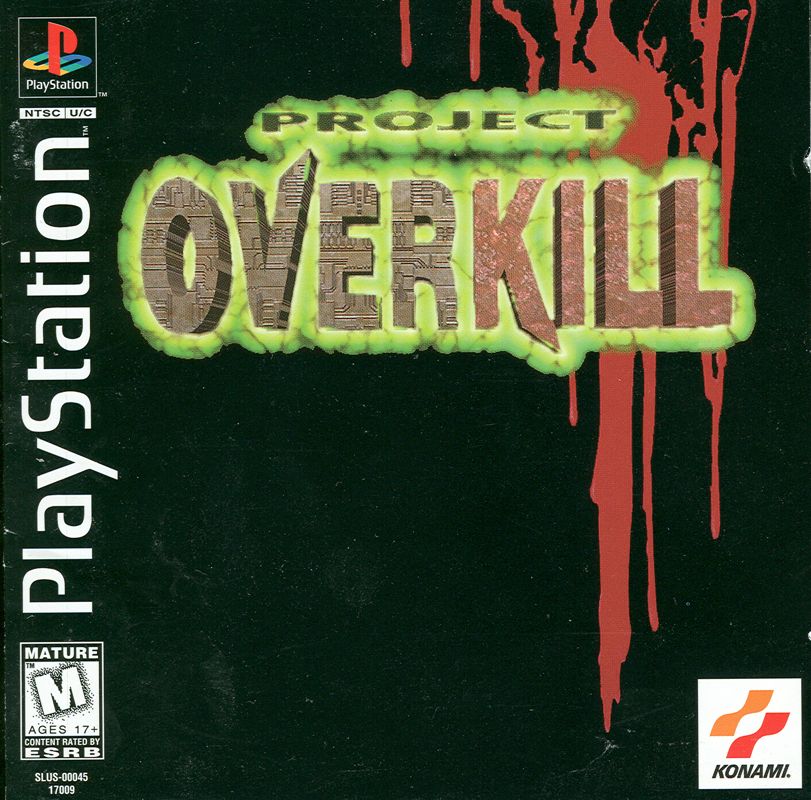
Project Overkill captures the raw energy of ’90s shooters while showcasing early 3D sensibilities on the original PlayStation hardware. Its relentless pace, split-second decision-making and high replayability make it a must-try for fans of retro run-and-gun titles. The combination of strategic weapon choice, branching level paths and satisfying gore effects keeps adrenaline levels high from start to finish.
There are a few rough edges—occasional camera quirks, texture pop-ins, and basic AI patterns—but these are largely forgivable given the game’s overall momentum. For modern players, the title evokes nostalgia without feeling like a mere relic. The challenge curve is well-balanced, ensuring both newcomers and series veterans will find a welcome difficulty spike.
Whether you’re hunting for a vintage shooter fix or exploring early PlayStation gems for the first time, Project Overkill delivers an engaging package. Its combination of engaging gameplay loops, distinct graphical style and no-nonsense storytelling makes it a solid recommendation for anyone craving fast-paced, blood-soaked mayhem on alien battlefields.


Reviews
There are no reviews yet.