 Retro Replay Retro Gaming History, Reviews & Emulation
Retro Replay Review
Gameplay
The first hour of Shadow Tower asks whether you can enjoy being uncomfortable. You enter its underground spaces alone, fight from a first-person view with swords and magic, and quickly learn that progress is not handed over with a clear route or a comforting safety net. That initial friction is deliberate enough to be compelling: each passage feels like a commitment, and monsters are obstacles you need to take seriously rather than disposable scenery.
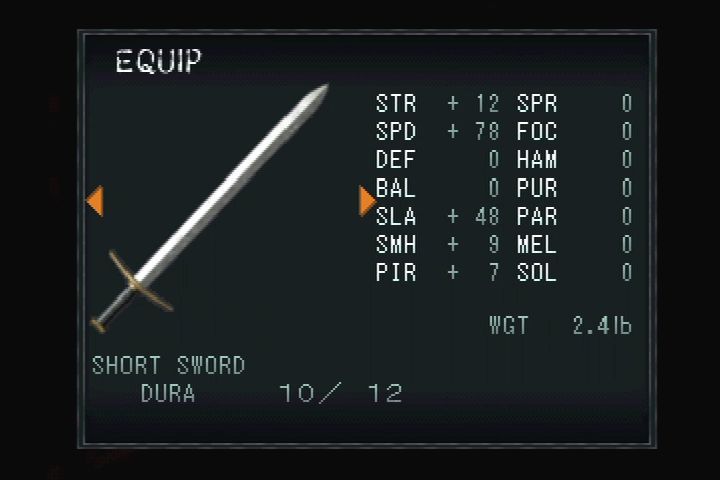
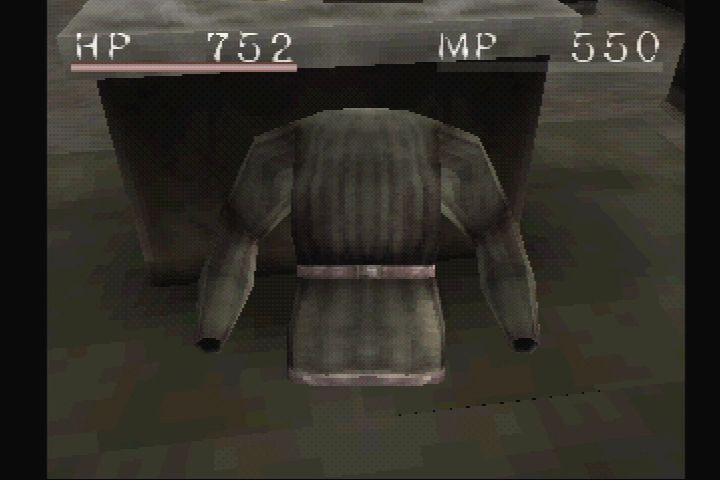
What starts to click is the way your character improves through use instead of conventional experience levels. Repeating related actions builds the corresponding stats, so your moment-to-moment habits matter. Equipment also has more consequence than simple loot-chasing. Weapons and armor wear down, which means a strong find is not automatically a permanent solution; you must repair it at a blacksmith or eventually replace it. Shops give you somewhere to buy and sell, while spell-bearing rings let you prepare magic in both hands.
The catch is that the game can be demanding in ways that will not suit everyone. There is no map in the game or documentation, only an in-game compass, so you are expected to draw your own. Fixed warp and save stones soften that burden but do not remove it. If making notes, retracing routes, and carefully preserving progress sound satisfying, the dungeon has real pull. If they sound like chores, the same design will turn an intriguing crawl into a frustrating one.
Combat has a straightforward, tactile premise—strafe with the shoulder buttons, swing, cast, and manage what you carry—but the larger challenge is preparation. You are not simply clearing six themed worlds and their bosses; you are learning how to survive long enough to understand them. The limited two-player battle mode is a small side diversion, not a reason to choose the game.

Graphics
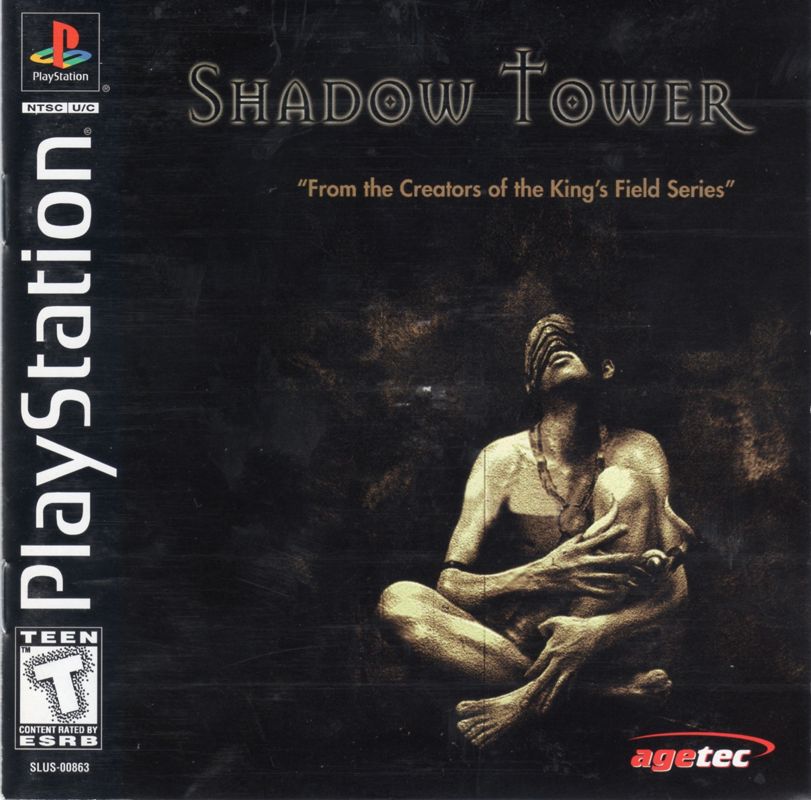
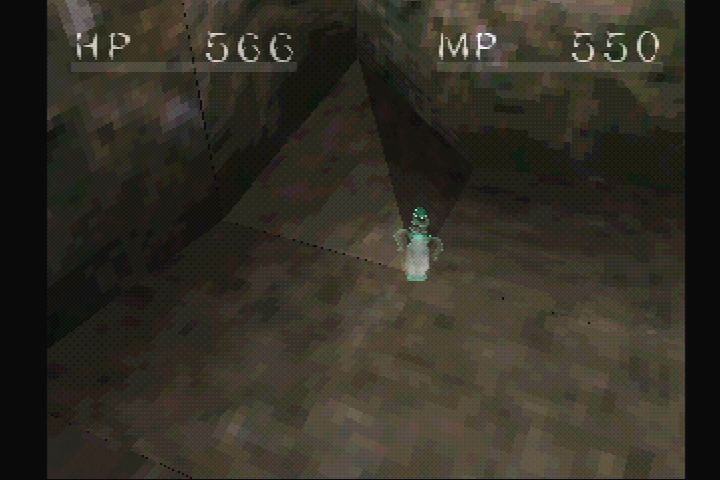
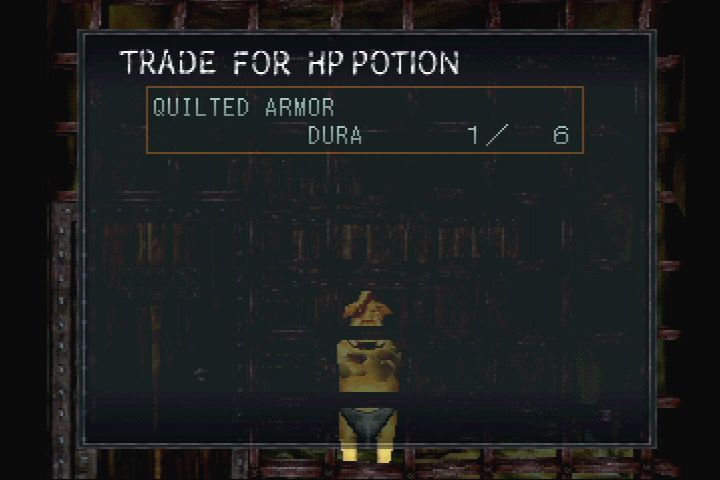
Shadow Tower keeps you behind Ruus’s eyes, so the view is dominated by dungeon corridors, enemies, and the changing environments of worlds tied to Earth, Fire, Illusion, Death, and other natural themes. Its look sits close to the early first-person fantasy style associated with the team’s work on King’s Field, favoring a dark dungeon-crawl atmosphere over bright, open spaces.
Story
The story gives the descent a clean, grim motivation. Mercenary Ruus Hardy arrives at Zeptar to find the town destroyed, its inhabitants dead and their souls taken by evil spirits beneath a nearby tower. Going underground to kill the monsters and free those souls is simple enough to understand immediately, which is useful in a game already asking you to navigate without a map.
Do not come expecting a densely detailed tale to carry the journey. The premise works because it makes the isolation feel personal: Ruus goes down alone, and every new world pushes him farther from the devastated town above. The horror angle comes from that descent into hostile territory and the souls at stake, rather than from a complicated web of characters.
The six-world structure gives the objective a sense of progression as you move through different nature-based realms toward monsters and bosses. It is a functional adventure framework, but the dungeon exploration remains the main event. The story is there to give your perseverance a purpose, not to distract from the hard work of finding your way.
Overall Experience
Shadow Tower is a tough, peculiar first-person RPG from an era when a dungeon could expect you to bring graph paper—or at least the willingness to make your own map. Its strongest quality is how firmly its systems reinforce the feeling of a hazardous solo expedition. Navigation, saving, gear wear, shopping, spells, and gradual stat growth all ask you to pay attention.
That makes it easy to respect and harder to broadly recommend. The absence of maps is not a cute retro quirk; it is a central demand, and fixed saves can make mistakes sting. Yet for the right mood, that resistance gives the game texture. Finding a useful item, reaching a warp stone, or finally understanding a route feels earned because the game has not streamlined the uncertainty away.
If you already enjoy the deliberate, opaque side of early FromSoftware dungeon RPGs, this is a worthwhile companion piece with its own series identity. If you need clear direction, frequent saving, or fast payoff, its 6.2-level roughness will likely outweigh the atmosphere. Give it a chance when you want to be challenged by the dungeon itself, not merely the enemies living in it.


Reviews
There are no reviews yet.