 Retro Replay Retro Replay gaming reviews, news, emulation, geek stuff and more!
Retro Replay Review
Gameplay
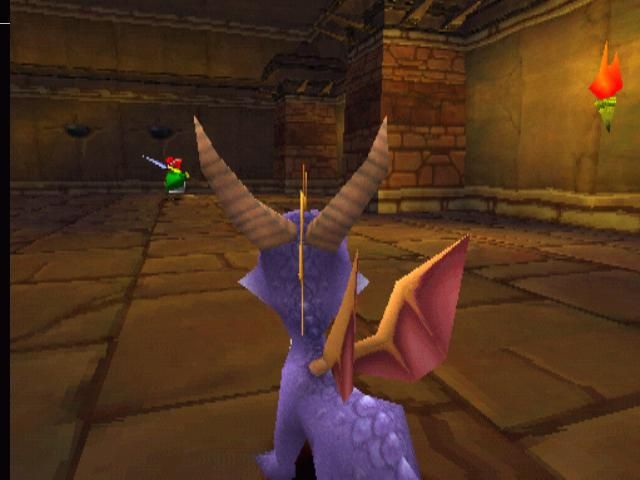
Spyro the Dragon delivers a wonderfully tight and responsive control scheme that feels both accessible and rewarding. From Spyro’s signature headbutt to his versatile fire breath, the game strikes a fine balance between platforming precision and light combat. Whether you’re sprinting through winding caverns, charging at enemies, or gliding gracefully over chasms, each action feels fluid. The analog controls on the original PlayStation bring out the nuances of speed and agility, making exploration genuinely satisfying.
(HEY YOU!! We hope you enjoy! We try not to run ads. So basically, this is a very expensive hobby running this site. Please consider joining us for updates, forums, and more. Network w/ us to make some cash or friends while retro gaming, and you can win some free retro games for posting. Okay, carry on 👍)
The level structure offers an enticing mix of hub worlds, standard platforming stages, flight challenges, and boss encounters. Each hub serves as a launching pad to three themed levels, a flying sequence that tests your aerial prowess, and a showdown with a world boss. This layered design encourages backtracking and revisiting areas once you gain new abilities, fostering a sense of discovery. Collecting gems, freeing trapped dragons, and tracking down elusive dragon eggs lends each level a rewarding sense of purpose.
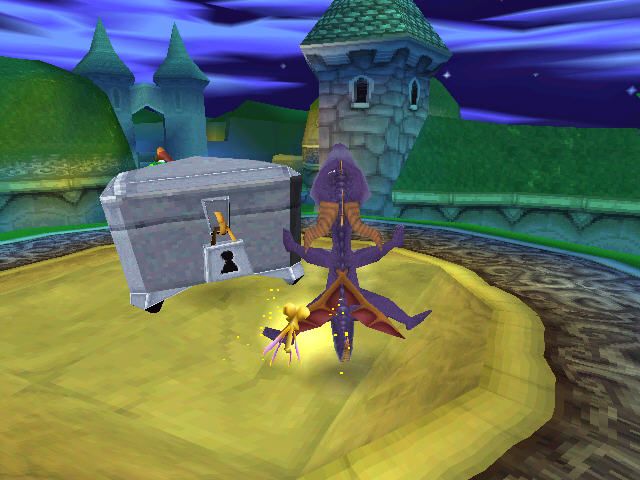
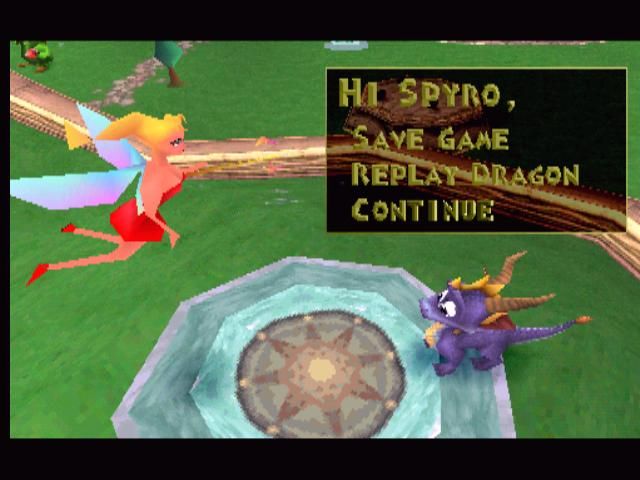
Collectibles play a central role in the gameplay loop. With 80 dragons to rescue, 12 hidden eggs, and countless gems scattered about, completionists will find themselves scouring every nook and cranny. The inventory screen keeps you informed of your progress, letting you know precisely how many gems and dragons remain in each level. Chests containing gems and enemy drops add a fun risk-reward dynamic, while tougher platforming sections often hide the final gems, providing an extra challenge for dedicated players.
Beyond the core platforming, Spyro the Dragon sprinkles in varied experiences to keep players engaged. Flight levels break the mold with on-rails shooting portions that require precision aim while riding Sparx the dragonfly. Boss levels ramp up the difficulty just enough to test your mastery of movement and firepower. Though the overarching goal is straightforward—free dragons and gather treasure—each world introduces unique mechanics and design twists that refresh the gameplay with every new area.
Graphics
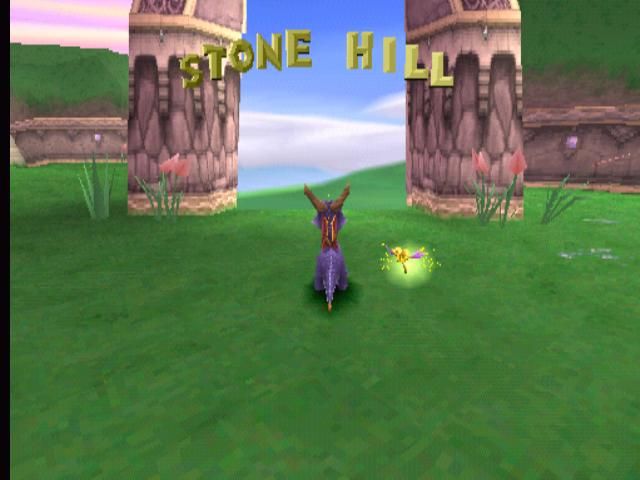
Spyro the Dragon stands out visually with its bright, cartoon-inspired art style. Even by today’s standards, the vibrant color palettes of the Dragon Lands—from the pastoral greens of Artisans to the crystalline blues of Magic Crafters—remain a joy to behold. Character designs are simple yet memorable: Spyro’s purple scales contrast nicely against each world, and Gnasty Gnorc’s exaggerated features give him real personality.
On the original PlayStation hardware, Spyro manages to maintain a surprisingly stable framerate and minimal pop-in, thanks to clever level-of-detail scaling. Draw distances are generous, allowing you to spot secrets from afar, and the use of fog to mask loading boundaries feels natural within the game’s fantasy context. Textures are clean, if somewhat low-resolution by modern standards, but the strong color choices and playful geometry more than compensate for any technical limitations.
Animation work is a highlight: Spyro’s running, charging, and gliding cycles are all full of energy, while enemy creatures exhibit whimsical movements that reinforce the game’s lighthearted tone. Boss animations, in particular, feel larger than life, with Gnasty Gnorc’s minions showcasing amusing attack patterns. Sparkling gems and shimmering crystal encasements add delightful visual feedback each time you free a dragon, rewarding exploration with satisfying effects.
The soundtrack and sound design complement the visuals beautifully. Bubbling springs, echoing caverns, and chirping critters build atmospheric worlds, while Stewart Copeland’s memorable score shifts mood seamlessly from tranquil hub areas to adrenaline-fueled boss battles. Combined with crisp sound effects—Spyro’s roar, the chime of collecting gems, and the crackle of crystal—you’ll find the audio-visual presentation immersive and cohesive.
Story
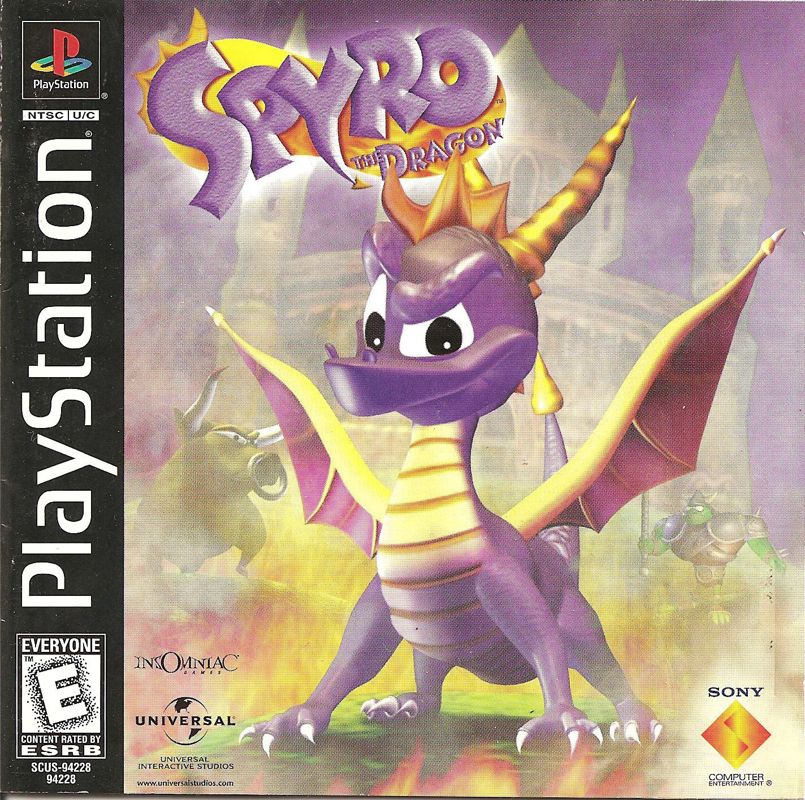
At its core, Spyro the Dragon offers a simple yet charming narrative premise. The evil Gnasty Gnorc has turned all the dragons in the Dragon Lands into crystal statues, and he’s pilfered their gems by locking them away in chests or transforming them into soldiers for his army. In his oversight, he overlooked one small but courageous dragon: Spyro.
As Spyro, players embark on a quest to free the crystal-encased dragons, retrieve stolen gems, and ultimately confront Gnasty Gnorc himself. While the story doesn’t dive into elaborate plot twists, its straightforward “good vs. evil” framework serves as an effective backdrop for the game’s platforming adventures. Each rescued dragon offers a quip or comment, injecting humor and personality into the proceedings and rewarding your perseverance with a bit of witty dialogue.
The six worlds—Artisans, Peace Keepers, Magic Crafters, Beast Makers, Dream Weavers, and Gnasty’s World—feel thematically distinct, with each environment reinforcing the lore of its resident dragons. Whether you’re wandering through mystical gardens or navigating mechanical fortresses, the narrative justifies every design choice. Boss levels function as narrative milestones, giving Spyro’s confrontation with Gnasty a satisfying buildup and payoff.
Though the story is light on exposition, it strikes a delightful balance between whimsy and heroism. The notion of a small dragon standing up to a powerful tyrant resonates with players of all ages, and the gradual recovery of the Dragon Lands’ inhabitants creates a genuine sense of progress. Spyro’s triumphant journey from carefree hatchling to dragon hero is a classic tale that still feels fresh thanks to its playful execution.
Overall Experience
Spyro the Dragon remains a cornerstone of 3D platforming thanks to its tight gameplay, charming visuals, and endearing protagonist. Whether you’re revisiting it for nostalgia or discovering it for the first time on modern platforms, Spyro’s adventure holds up as an exemplar of level design and collectible-driven progression. The pace feels just right—challenging enough to keep you engaged but never so punishing that it becomes frustrating.
The game’s structure encourages exploration without overwhelming players. The difficulty curve is well calibrated, offering optional challenges for completionists while allowing casual players to focus on the main quest. Flight levels, boss battles, and treasure hunts keep the experience varied, ensuring that each new world feels like a fresh playground rather than a retread of previous stages.
Spyro’s enduring appeal lies in its blend of fun mechanics, vibrant worlds, and a gentle yet motivating storyline. The freedom to roam hub areas, revisit stages with new abilities, and track progress through an intuitive inventory screen fosters a sense of ownership over your journey. Achieving 100% completion—rescuing all 80 dragons, finding every egg, and collecting all gems—offers a rewarding target for completionists without penalizing more casual playstyles.
In sum, Spyro the Dragon offers an experience that’s as delightful today as it was upon its original release. Its engaging gameplay loop, cheerful aesthetics, and lighthearted narrative come together to create a package that remains a must-play for fans of 3D platformers. Whether you’re seeking a nostalgic trip back to the late ’90s or a fresh dive into classic game design, Spyro’s first adventure is a journey worth undertaking.


Reviews
There are no reviews yet.