 Retro Replay Retro Replay gaming reviews, news, emulation, geek stuff and more!
Retro Replay Review
Gameplay
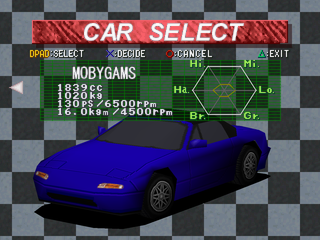
Tokyo Highway Battle introduces a deceptively deep racing system that balances arcade thrills with simulation-style handling. Players select from 12 distinct cars, each with unique performance characteristics, and can fine-tune them with more than 60 parts and upgrades. From engine swaps to suspension tweaks, the customization options directly influence acceleration, top speed, and drift control, inviting players to tailor their ride to their preferred racing style.
(HEY YOU!! We hope you enjoy! We try not to run ads. So basically, this is a very expensive hobby running this site. Please consider joining us for updates, forums, and more. Network w/ us to make some cash or friends while retro gaming, and you can win some free retro games for posting. Okay, carry on 👍)
The heart of the gameplay lies in its “Drift” button, a feature that revolutionizes cornering by making high-speed drifts both accessible and rewarding. Successfully executing a drift nets points that can be reinvested into further upgrades, creating a satisfying feedback loop: drift well, earn points, enhance your car, and tackle even tougher challenges. This system encourages players to constantly refine their skills and experiment with setup combinations to master each Tokyo highway.
Race modes span one-on-one duels against CPU opponents to three-car battles that test your ability to juggle overtakes and defensive driving. While there’s no multiplayer mode, the AI offers a steadily increasing challenge, especially once you unlock and upgrade higher-tier vehicles. Each victory unlocks new parts and tougher rivals, driving continual progression without ever feeling grindy.
Additionally, the game’s connection to real-life racing royalty—Keiichi Tsuchiya’s drift expertise and Masaaki Bando’s automotive engineering input—ensures that each vehicle handles with a level of authenticity rare for its era. These expert contributions shine through in the nuanced differences between cars, making weight distribution, tire grip, and throttle response feel remarkably lifelike on the crowded highways of Tokyo.
Overall, Tokyo Highway Battle’s gameplay loop of racing, drifting, and upgrading offers a compelling mix of immediate excitement and long-term strategy. Whether you’re new to Japanese street racing games or a seasoned veteran looking for a retro challenge, the precise controls and depth of customization make each run down the Shuto Expressway a fresh and engaging experience.
Graphics
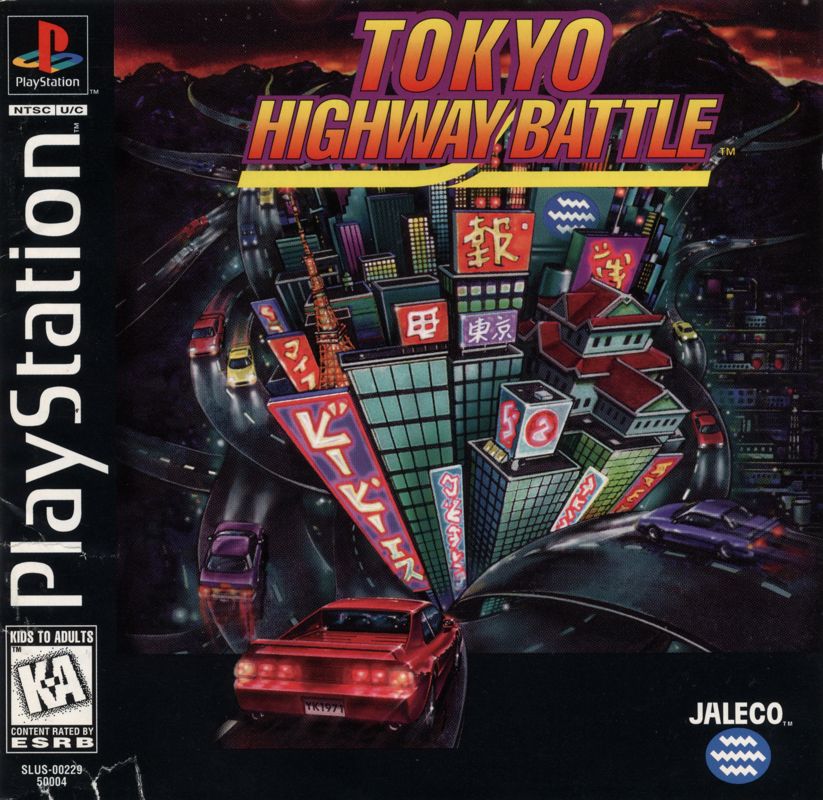
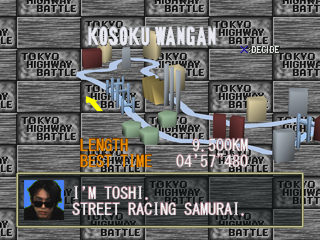
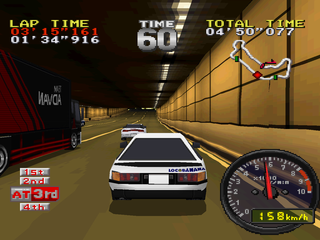
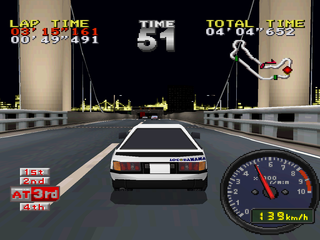
For a mid-’90s PlayStation title, Tokyo Highway Battle delivers surprisingly detailed road environments that capture the neon glow and urban sprawl of Tokyo’s famous highways. Each track is modeled to resemble actual expressway segments, featuring realistic overpasses, streetlights, and roadside billboards that set an immersive nighttime racing atmosphere.
Vehicle models boast a solid level of polygon detail for the era, with recognizable silhouettes and smooth animations during drifts and collisions. Though texture resolution is limited by the hardware, clever use of lighting and reflective surfaces lends cars a convincing metallic sheen and accentuates their aerodynamic lines as they streak past cityscapes.
Environmental effects, such as motion blur during high-speed runs and dynamic lighting changes under streetlights, help convey a true sense of velocity. While frame rate dips can occur in particularly crowded scenes, they rarely hinder gameplay and instead add to the sense of battling through Tokyo’s bustling traffic.
The game’s color palette leans toward cool blues and purples, evoking the late-night ambiance of an urban race under florescent lights. This aesthetic choice not only reinforces the street racing theme but also helps important visual cues—like brake lights and turn signals—stand out, ensuring players can anticipate corners and obstacles even at top speed.
Overall, Tokyo Highway Battle’s graphics may show their age by modern standards, yet they remain a testament to the original Shutokou Battle series’ ambition. The faithfully recreated roads, coupled with well-executed car models and atmospheric lighting, provide a visually engaging backdrop that supports the game’s core racing mechanics.
Story
Unlike contemporary racing games that emphasize narrative or character-driven campaigns, Tokyo Highway Battle adopts a minimalist approach to storytelling. There is no overarching plot or written dialogue; instead, the narrative unfolds through progress and reputation. As you defeat rival racers and upgrade your car, you effectively climb the ranks of Tokyo’s underground street racing scene.
This stripped-down structure puts the focus squarely on gameplay progression. Each victory against a CPU opponent feels like a personal milestone, marking your ascent from novice drifter to an acknowledged highway legend. The absence of cutscenes and verbose exposition means there’s no fluff to wade through—every race is an opportunity to make your mark.
However, the game’s real-life connections to drift champion Keiichi Tsuchiya and expert Masaaki Bando inject an implicit storyline of authenticity. Their involvement suggests a narrative of mastery and technical precision, subtly framing each race as a test of your skill and understanding of automotive dynamics.
For players seeking character arcs or dramatic plot twists, the story may feel sparse. Yet this simplicity can be refreshing, allowing racers to create their own journey through Tokyo’s roads. Your personal progression, from basic tuning parts to high-powered upgrades, becomes the story—one defined by triumphs, failures, and incremental improvements.
In essence, Tokyo Highway Battle’s narrative is woven into its gameplay rather than delivered through text or cutscenes. The sense of achievement that comes from conquering a challenging course or perfecting a drift is the game’s true story, making each player’s experience unique and personal.
Overall Experience
Playing Tokyo Highway Battle today feels like unearthing a hidden gem from PlayStation’s golden era. Its blend of arcade-style action and simulation-leaning handling strikes a delicate balance that remains enjoyable even decades after its release. The satisfaction of mastering a tight corner or climbing the leaderboards on a recreated Tokyo highway is timeless and still holds up against many modern racers.
Though the absence of a dedicated multiplayer mode limits direct competition with friends, the tightness of the AI racing and the depth of car customization ensure high replay value. Unlocking new parts and testing different setups provides ongoing motivation, while the inclusion of real-world racing experts underscores the game’s commitment to authenticity.
One potential drawback for some players is the game’s dated presentation—low-res textures, occasional frame rate drops, and minimal on-screen HUD can feel stark compared to today’s polished interfaces. Yet these quirks also contribute to the retro charm, transporting you back to the early days of 3D racing and reminding you of the innovation that defined that era.
For fans of drift mechanics and street racing culture, Tokyo Highway Battle offers a foundational experience that influenced countless games to follow. Its focus on mastering corners, customizing vehicles, and racing on faithfully recreated city roads laid the groundwork for modern drift simulators and arcade racers alike.
In conclusion, Tokyo Highway Battle remains a captivating title for enthusiasts of classic racing games. Its engaging gameplay loop, authentic car handling, and atmospheric graphics come together to create a racing experience that’s both challenging and rewarding. Whether you’re seeking nostalgia or curious about the origins of Japan’s street racing genre, this game delivers an enduring ride through the neon-lit highways of Tokyo.


Reviews
There are no reviews yet.