 Retro Replay Retro Gaming History, Reviews & Emulation
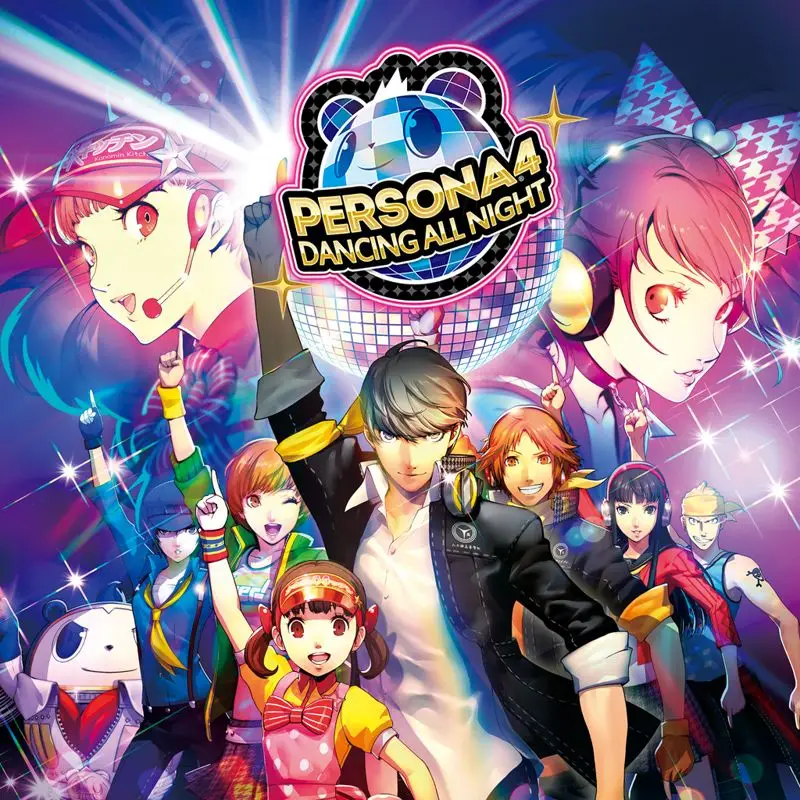
Game Overview
Gameplay
The core loop is refreshingly direct: pick up the rhythm, stay accurate, and turn a Persona 4 soundtrack into a series of dance battles. Replacing the original game’s RPG structure with a music-game test could have felt like a cheap side trip, yet the format has a real logic here. When the heroes’ usual Persona abilities cannot stop the Shadows, dancing becomes the only way forward, so the action and premise are at least pulling in the same direction.
What keeps the game from being merely a novelty is the music. Familiar Persona 4 themes arrive as remixes alongside new material, and that gives you a good mix of recognition and surprise. A favorite tune can make you want to push through a demanding routine one more time, while the new tracks keep the set from feeling like it is coasting on nostalgia alone.
Expect accuracy and dexterity to matter. This is a rhythm game that asks you to perform rather than simply enjoy a few character-themed music videos, and frustration can set in when your timing is not there. If you dislike replaying a song to improve, the dance battles may wear thin. If chasing a cleaner run sounds satisfying, the immediate goal of improving your performance is a strong fit for the music.
It is also a focused game rather than an RPG with a rhythm-game minigame attached. You are not getting Persona 4’s dungeon exploration and turn-based combat in another form. You are getting a committed musical spinoff, and it works best once you stop waiting for it to become the kind of sequel its parent game was.
Story
Set after Persona 4, the story brings Rise Kujikawa back to show business just as a mysterious online video is tied to a string of disappearances. When members of the junior idol group Kanamin Kitchen vanish, the Investigation Team steps in, only to find Shadows connected to the Midnight Channel again. It is a knowingly wild setup, but it has the right ingredients for fans: familiar friends, Rise in a central role, and an excuse to send the group into another strange case together.
Overall Experience
Dancing All Night is for the fan who wants more time with Persona 4’s cast and is genuinely open to a rhythm game, not for someone hoping for another full RPG. Its best moments come from the way those two desires overlap. You are working through a challenging track, a beloved musical motif kicks in, and the whole oddball premise suddenly feels less like a gimmick.
The game’s biggest limitation is also its honesty. The story and characters may draw you in, but the dance battles determine whether you stay. There is no getting around the fact that the challenge rests on your ability to keep time accurately. That makes it less welcoming for Persona fans with no taste for rhythm games, even if the continuation of the story is tempting.
For everyone else, it is a worthwhile detour. Atlus takes a risky genre shift and finds a version of Persona 4 that respects the cast’s energy instead of flattening them into a soundtrack package. The payoff is not the depth of the original RPG. It is the pleasure of seeing a favorite group confront another absurd supernatural crisis through music, with enough real rhythmic challenge to make each win feel earned.


Reviews
There are no reviews yet.