 Retro Replay Retro Gaming History, Reviews & Emulation


Retro Replay Review
Gameplay
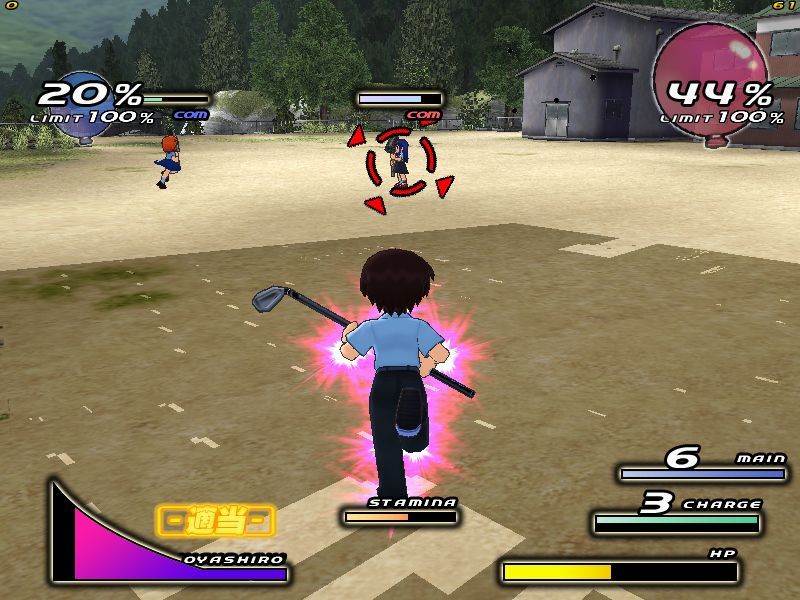
The first hour of Higurashi Daybreak has a wonderfully odd energy. You pick a two-person team from a cast better known for mystery and horror, hand them character-linked weapons, and start fighting over magical magatama that literally dropped onto Rika’s head. Keiichi with a baseball bat and Rena with her cleaver are exactly the kind of recognisable pair that makes the concept land quickly. This is a team-based beat ’em up built around the pleasure of seeing familiar faces settle a ridiculous dispute with force.
Story mode gives you three team storylines straight away, with four more to unlock, so there is a solid reason to move beyond a single favorite pairing. The initial teams cover several of the central relationships: Keiichi and Rena, the Sonozaki sisters, and Rika with Satoko. Later routes widen the focus to characters such as Tomitake, Takano, Oishi, Akasaka, Irie, Chie, Akane, and Kasai. That structure makes roster discovery part of the reward instead of simply dropping every route in your lap.
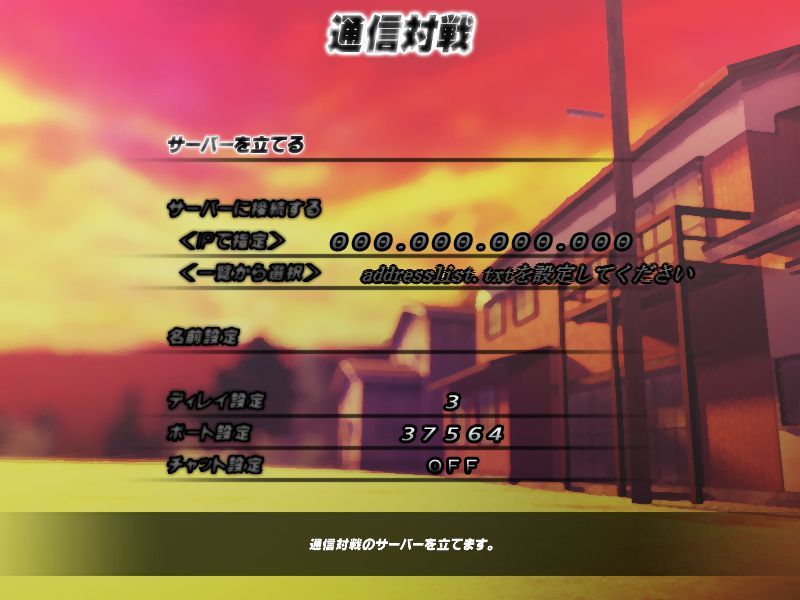
Combat mode is where the game becomes easiest to recommend for a group. You select the combatants, choose an environment, adjust the match options, and get on with it. Up to four players can join in, and the team format should make for livelier sessions than a straightforward one-on-one fighter. If you want a deep competitive game to study in isolation, the Higurashi connection is doing much of the heavy lifting here. If you want to argue over teams with friends and bring anime favorites into a brawl, it has a much clearer purpose.
Graphics
The PSP version refreshes the character graphics and adds new costumes and weapons, giving its roster more material to show off. Its new opening animation and theme song also give that edition a more deliberate anime-game introduction before the fighting begins.

Story
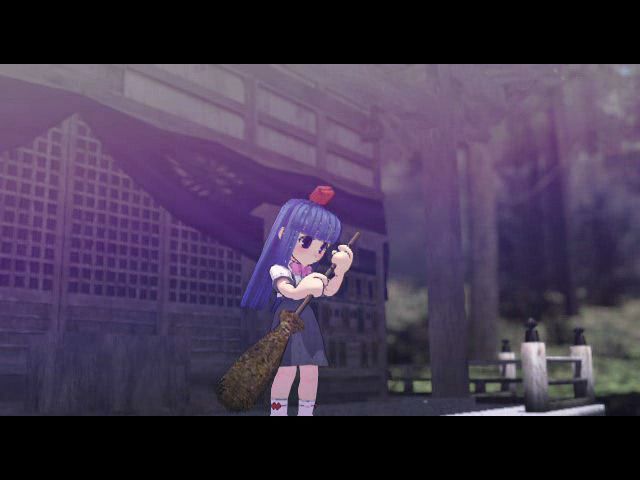
This is not Higurashi at its most oppressive. The setup is deliberately playful: Rika finds magical magatama outside the Furude shrine, the school club tests them on Chie and Irie, and the village soon starts battling over who gets to own them. That framing gives the game permission to turn a tense ensemble into a fighting-game cast without pretending the conflict is deadly serious.
For fans, the real pleasure is recognition. Weapons are tied to the characters’ anime and early visual-novel associations, so the choices carry more personality than generic equipment would. You are not just assigning tools to fighters; you are seeing Keiichi, Rena, and the rest expressed through the objects most closely associated with them.
The route-based story mode also makes the ensemble feel more useful than a bare versus roster. Seven teams are represented overall, and the unlockable routes encourage you to spend time beyond the immediately obvious protagonists. The PSP version goes further with additional storylines for Hanyū and Natsumi, a welcome reason for established fans to favor that version.
Overall Experience
Higurashi Daybreak is a niche game with a very direct pitch: take affection for Higurashi’s cast, mix in two-person beat ’em up matches, and let the absurdity carry the mood. It does not need to replace the source material to be worthwhile. It works as a lively side trip that lets characters normally trapped in a much heavier world cut loose.
You will get the most from it if you know why Rena’s cleaver or Keiichi’s bat matter, and if you have friends willing to join combat mode. The roster, teams, unlockable story routes, and match setup options give you enough variety to keep changing the terms of the fight rather than repeating one pairing forever.
For Higurashi devotees, this is easy to justify as fan service with an actual game wrapped around it. For everyone else, it is a stranger sell: the fights may entertain, but the cast references are the flavor that makes them memorable. That payoff is worth chasing if the series already means something to you.



Reviews
There are no reviews yet.