 Retro Replay Retro Replay gaming reviews, news, emulation, geek stuff and more!
Retro Replay Review
Gameplay
Enemy Zero delivers a distinctive blend of first-person puzzle adventure and suspense-driven shooter that keeps players perpetually on edge. The game shifts seamlessly between exploration and combat modes: in the adventure segments, you guide Laura through darkened corridors, scavenging for clues, inventory items, and environmental puzzles to unlock new areas of the Aki. Switching to shooter mode occurs whenever you encounter an alien threat, though you won’t see the creatures at all—only hear their distorted, menacing sounds.
(HEY YOU!! We hope you enjoy! We try not to run ads. So basically, this is a very expensive hobby running this site. Please consider joining us for updates, forums, and more. Network w/ us to make some cash or friends while retro gaming, and you can win some free retro games for posting. Okay, carry on 👍)
The invisible enemy mechanic is the cornerstone of the experience, forcing you to rely entirely on audio cues. High-pitched chirps signal immediate danger, mid-range growls warn of lateral attacks, and low, rumbling moans indicate something lurking behind you. This sound-based tracking system turns simple corridor navigation into a nerve-jangling game of cat and mouse; you must pause, listen carefully, and plan your attacks or evasions. The rarity of ammunition and health items raises the stakes even further, making each encounter a carefully balanced choice between fight or flight.
Puzzle-solving elements are woven directly into the ship’s labyrinthine layout. From decoding security panels to re-routing power through damaged junctions, these challenges demand methodical thinking and memorable trial-and-error. Some puzzles are patently logical—find a keycard, match symbols—while others require piecing together cryptic logs left behind by your crew. The gradual introduction of new mechanics, such as hacking tools or environmental scanner upgrades, keeps the gameplay loop fresh and encourages exploration rather than aimless wandering.
Despite its slow-burning pace, Enemy Zero rarely feels like a slog. Each corridor you unlock holds the promise of new threats or critical story revelations, maintaining a constant undercurrent of suspense. The absence of on-screen maps or waypoints underscores the game’s emphasis on immersion: you must keep notes, retrace steps, and remember overheard clues to navigate safely. For horror aficionados, this measured approach to pacing and resource management amplifies tension in ways few other titles attempt.
Graphics
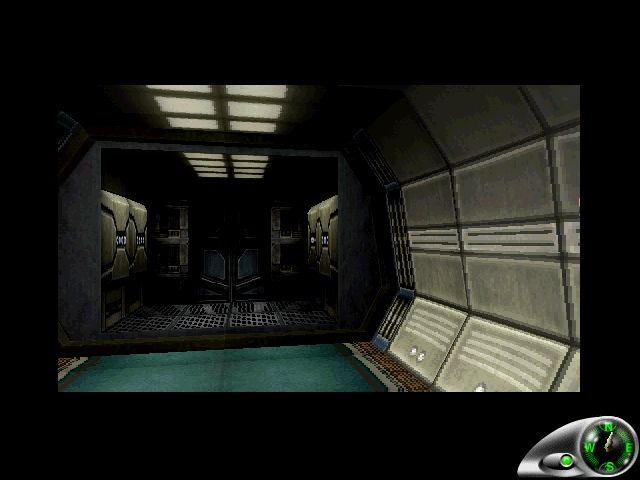
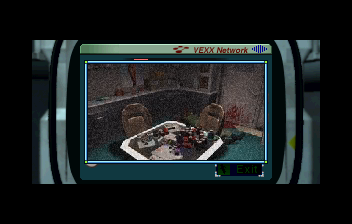
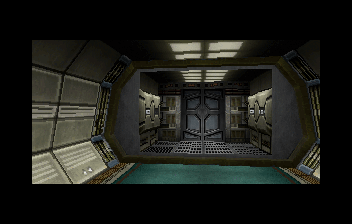
For its time, Enemy Zero offered impressively detailed pre-rendered backgrounds paired with real-time polygonal characters. The corridors of the Aki are rendered with moody lighting and subtle textures that evoke a sense of sterile confinement. Flickering lights, shadowy corners, and ominous doorways combine to produce an atmosphere that constantly suggests something is just out of sight.
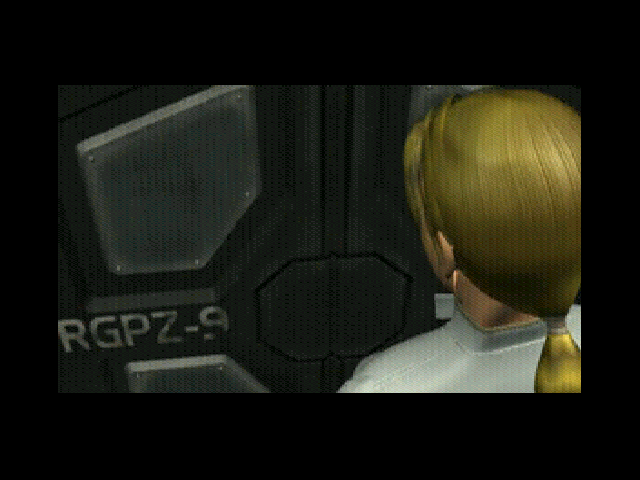
The character models and animated sequences, while polygon-limited by mid-’90s hardware, exhibit a surprising level of expressiveness. Laura’s cautious gait, the flick of her hair when she turns, and her frantic recoil animations in combat all contribute to a palpable sense of vulnerability. Cutscenes leverage Warp’s signature directorial style—long camera pans, deliberate framing, and sudden sound effects—to heighten the cinematic tension and underscore key narrative beats.
Enemy Zero’s color palette favors muted grays, cold blues, and the occasional warning red, reinforcing the sense of an abandoned, malfunctioning vessel. Subtle particle effects—sparks from damaged consoles, drifting dust motes, and the hazy glow of emergency lighting—add layers of depth to static backgrounds. While modern gamers may find the resolution and polygon counts dated, the game’s visual design remains hauntingly effective, especially on a CRT display.
The numerical readouts on your HUD, the forensic-looking scanner that pulses with interference, and the stark contrast between light and shadow all work in concert to immerse you in Warp’s unsettling vision. Enemy Zero’s art direction may not boast cutting-edge shaders or polygon counts, but its deliberate aesthetic choices prove far more important to sustaining a horror atmosphere.
Story
Enemy Zero reunites players with Laura, the courageous heroine from Warp’s D series, who awakens aboard the spaceship Aki alongside her fellow crew members. In suspended animation when disaster struck, they were abruptly brought back online by the ship’s emergency program—only to find themselves alone with a lethal, invisible alien presence. This familiar premise draws directly from sci-fi horror classics, but Warp’s narrative execution adds fresh twists.
The game’s sparse environmental storytelling unfolds through audio logs, datapad entries, and brief in-game dialogues. As Laura pieces together the events leading up to the catastrophe, players encounter snippets of interpersonal drama, professional conflicts among the crew, and hints of a darker experiment gone awry. The minimalist script leaves gaps for the imagination, making each discovered log entry feel like a small victory in a larger mystery.
Despite its emphasis on isolation and dread, Enemy Zero offers moments of emotional poignancy. Laura’s determination to rescue her colleagues—and her occasional doubts—lend her a relatable humanity. Flashbacks and well-timed cutscenes deepen the connection to supporting characters, even if they never appear on-screen directly. By the time you confront the truth behind the alien intrusion, the narrative stakes feel genuinely personal.
While the story doesn’t revolutionize the genre, it succeeds through tight pacing and well-placed reveals. Warp’s experience crafting psychological horror in the D series shines through, with carefully calibrated tension peaks and brief respites that mirror the ebbs and flows of real terror. For fans of sci-fi narratives with a cerebral bent, Enemy Zero delivers a compact yet memorable tale of survival and cosmic dread.
Overall Experience
Playing Enemy Zero is an exercise in sustained tension and deliberate pacing. The unique invisible-enemy mechanic transforms otherwise routine hallways into nerve-wracking gauntlets. By removing visual cues and forcing reliance on audio, the game taps into a primal fear of the unseen. Moments that might feel mundane in other titles—crossing a hallway, opening a door—become pulse-pounding ordeals here.
Resource scarcity and the duality of puzzle versus combat segments ensure that every decision counts. Do you save your limited ammunition for unknown corridors ahead, or use it to clear your immediate path? Should you spend time deciphering a cryptic security code now or risk a surprise attack later? These recurring dilemmas keep the experience both strategic and emotionally resonant.
For modern audiences, Enemy Zero’s graphics and control layout will feel dated, but its core design philosophy remains compelling. If you approach it as a historical artifact of ’90s horror gaming, it stands tall alongside its more celebrated peers. Warp’s attention to audio design, environmental detail, and psychological tension make the game linger in the mind long after the final credits roll.
Ultimately, Enemy Zero is a niche but essential title for aficionados of atmospheric horror and methodical puzzle-solving. Its unforgiving nature and deliberate pacing may not appeal to everyone, but for those who relish creeping dread and sound-based gameplay, it offers a uniquely chilling journey through the cold, haunted corridors of the Aki.


Reviews
There are no reviews yet.