 Retro Replay Retro Replay gaming reviews, news, emulation, geek stuff and more!


Retro Replay Review
Gameplay
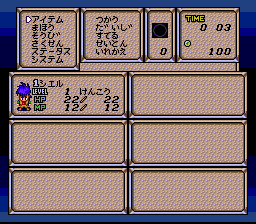
Megami Tensei Gaiden: Last Bible III builds its core gameplay around the series’ signature demon summoning and fusion mechanics, but it expands on these systems in creative ways. Unlike earlier entries that limited demon roles to support or backup combatants, Last Bible III treats demons as fully customizable party members. You can equip them with weapons and armor, allocate stat points as they level up, and even assign specific skills to tailor each demon to your preferred strategy. This level of depth allows for a personalized experience, ensuring that no two playthroughs feel exactly alike.
(HEY YOU!! We hope you enjoy! We try not to run ads. So basically, this is a very expensive hobby running this site. Please consider joining us for updates, forums, and more. Network w/ us to make some cash or friends while retro gaming, and you can win some free retro games for posting. Okay, carry on 👍)
The combat is presented from a first-person perspective reminiscent of traditional Megaten titles, providing that classic sense of immersion and mystery when you encounter demons in dungeons. Battles proceed in a turn-based fashion, giving players ample time to consider their next move. Since you’ll often be outnumbered or face enemies with elemental affinities, mastering demon fusion and formation tactics is crucial for survival. Early on, you’ll find yourself experimenting with combinations and quickly appreciate how rewarding it is to discover a new, powerful demon variant.
Exploration and navigation adopt a third-person, top-down viewpoint as you wander through villages, forests, and castle corridors. This perspective shift allows for clearer spatial awareness when solving simple puzzles or locating hidden items. While movement can feel a bit tight in narrow dungeon passages—especially compared to modern titles—the game’s map design strikes a good balance between challenge and clarity. Frequent save points and reasonably paced encounters ensure that resource management remains engaging without feeling punishing.
Graphics
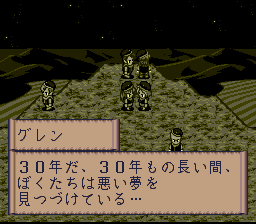
Last Bible III was released for the Game Boy Color, and its visuals make the most of the platform’s limited palette. Character sprites are crisp and expressive, capturing each hero’s personality through subtle animations. Demon designs range from adorable to downright menacing, showcasing the series’ eclectic aesthetic without overwhelming the small screen. When recruiting or fusing demons, the icons and menus are cleanly laid out, preventing UI clutter during these critical moments.
Environmental graphics lean into a medieval fantasy motif: lush green fields, candlelit halls, and cobblestone streets all feel cohesive and well-detailed. Even with only a handful of colors per tile, the game uses shading and contrast effectively to convey depth. Venturing into darker dungeons reveals moody lighting effects that heighten tension before each encounter. Townsfolk and NPC models may be small, but their simple animations—like waving or gesturing—add life to each settlement you visit.
One standout graphical feature is the demon fusion illustration. Though limited by hardware, the cut-in animation plays smoothly and underscores the dramatic moment when two creatures merge into one. While you won’t find high-definition textures or dynamic lighting here, the art style’s charm and the clear visual hierarchy make Last Bible III’s presentation both functional and aesthetically pleasing for its era.
Story
The narrative of Last Bible III centers on Shieru, a young boy from a quaint village who finds himself entangled in an ancient prophecy threatening his world. From the outset, the game balances lighthearted village life—complete with friendly townsfolk and rustic festivals—with the looming dread of a malevolent force awakening in the shadows. This contrast gives the story emotional weight, as you grow attached to everyday moments before plunging into perilous dungeons.
Supporting characters enrich the plot by bringing diverse perspectives to Shieru’s quest. Each friend you meet—be it a scholarly mage or a battle-hardened warrior—carries their own backstory and motivations, often unveiled through optional side conversations. Their interactions evoke genuine camaraderie; watching the group’s dynamic evolve adds depth to the journey beyond simple monster-slaying objectives.
While the overarching mythos borrows familiar tropes—prophecies, chosen heroes, and the clash of good versus evil—Last Bible III injects fresh life by integrating demon companions as more than expendable tools. Many demons have lore snippets or personality quirks revealed through fusion journals and side dialogues. This world-building approach ties the dark undercurrent of demon politics to the central narrative, making each fusion feel narratively significant rather than mechanically obligatory.
Overall Experience
Megami Tensei Gaiden: Last Bible III strikes an impressive balance between accessibility and depth. For newcomers to the Megaten franchise, its medieval setting and intuitive levels of progression serve as a friendly introduction. Veteran players will appreciate the expanded demon customization and the strategic nuances of first-person combat. The game never rushes you, but it does reward careful planning and exploration.
Despite the hardware limitations of the Game Boy Color, Last Bible III delivers an immersive world brimming with memorable characters, creative demon designs, and a soundtrack that enhances both quiet village scenes and tense dungeon forays. Its blend of turn-based battles and top-down exploration keeps the pacing engaging, with enough variety to stave off monotony even in the game’s later hours.
Ultimately, Last Bible III stands as a highlight in the portable Megaten lineup. While it may lack some of the graphical flair of modern RPGs, its robust fusion system, charming visuals, and heartfelt storytelling make it a compelling choice for anyone seeking a classic fantasy adventure with unique demon-summoning mechanics. For players willing to dive into a retro, strategy-driven RPG, this title remains a hidden gem worth uncovering.



Reviews
There are no reviews yet.