 Retro Replay Retro Replay gaming reviews, news, emulation, geek stuff and more!
Retro Replay Review
Gameplay
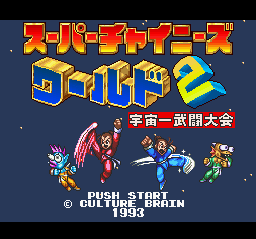
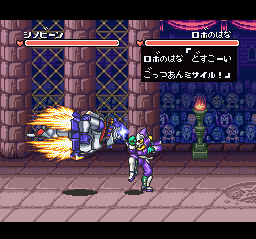
Super Chinese World 2: Uchū Ichibuto Daikai stays true to its action-RPG roots by offering a satisfying blend of beat-’em-up combat and character progression. Players take on the roles of ninja warriors Ryu and Jack, each armed with unique special moves that can be upgraded throughout the adventure. Combat is fast-paced and encourages chaining attacks, juggling foes in midair, and swapping between martial arts techniques on the fly. The responsive controls make every punch and kick feel weighty, while the variety of enemy types—from common grunts to towering alien champions—keeps encounters fresh.
(HEY YOU!! We hope you enjoy! We try not to run ads. So basically, this is a very expensive hobby running this site. Please consider joining us for updates, forums, and more. Network w/ us to make some cash or friends while retro gaming, and you can win some free retro games for posting. Okay, carry on 👍)
Exploration unfolds across a mix of side-scrolling battlefields and the interior of a makeshift spaceship. Between missions, you navigate Futureland’s vibrant hub area, recruiting locals to enhance your ship’s capabilities. Resource management plays a subtle but important role, as repairing hull damage and installing weapon upgrades requires gathering scrap and rare parts from conquered planets. This light strategic layer adds depth without bogging down the core action.
Puzzles and mini-games are woven into the campaign, offering a brief respite from nonstop fighting. Whether deciphering alien technology to unlock a new warp gate or engaging in a timed board game with a quirky Futureland technician, these diversions enrich the overall flow. While seasoned action-RPG fans might find some challenges predictable, the steady introduction of new mechanics ensures players rarely feel stuck or overwhelmed.
Graphics
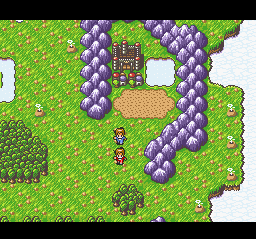
On the Super Famicom hardware, Super Chinese World 2 delivers a colorful, detailed visual presentation that remains impressive decades later. Each planet boasts distinctive environments—from crystalline ice fields to molten lava caverns—illustrated with carefully crafted tilesets and sprite work. The animation for Ryu and Jack’s special attacks is fluid, showcasing dramatic flourishes like spinning shurikens and explosive energy waves that pop against the richly hued backdrops.
Character sprites are charmingly expressive, with exaggerated reactions that inject humor into tense moments. The alien lieutenants, in particular, stand out with imaginative designs ranging from insectoid warlords to mechanical juggernauts. Boss arenas often feature dynamic elements—collapsing platforms, environmental hazards, and dramatic camera zooms—that emphasize the high stakes of each champion battle.
Subtle parallax scrolling and occasional Mode 7 effects on warp sequences reinforce the sense of moving through space. Though the resolution is limited compared to modern standards, the game’s cohesive art direction and clever palette swaps give every locale a unique identity. The seamless transition between on-foot exploration and cockpit views of the ship demonstrates meticulous attention to graphical continuity.
Story
Picking up after the events of the first Super Chinese World game, this sequel weaves a playful yet earnest tale of galactic diplomacy gone awry. After world leaders gather at Rub-A-Doc’s peace conference, a ruthless alien faction intervenes, abducting delegates and proclaiming themselves rulers of the galaxy. It’s an ambitious premise that sparkles with comedic overtones—after all, only Ryu and Jack could turn a high-stakes summit into a ninja rescue mission.
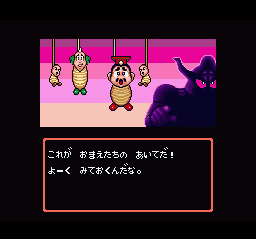
The narrative unfolds through animated cut-ins and scripted encounters with colorful NPCs on Futureland. Dialogue balances sincere heroism with tongue-in-cheek banter, reinforcing the bond between the two protagonists. The decision to strand the heroes on a hostile planet for repairs injects an unexpected twist, forcing them to adapt their skills outside familiar terrain. This plot device introduces fresh characters who lend mechanical expertise and share local legends that deepen the world-building.
While the main storyline drives you from one alien stronghold to the next, optional side quests flesh out the cultural diversity of the galaxy. Helping a displaced aristocrat reclaim her throne or delivering critical supplies to frontier settlements may not directly advance the rescue mission, but they reward players with rare upgrades and humorous insights. The script occasionally leans on classic ’90s JRPG tropes, yet the lighthearted tone and brisk pacing prevent it from feeling formulaic.
Overall Experience
Super Chinese World 2: Uchū Ichibuto Daikai offers a robust blend of action, exploration, and humor that will appeal to fans of retro RPGs and beat-’em-ups alike. The balance between tight combat mechanics and light puzzle-solving ensures that both newcomers and series veterans remain engaged throughout its roughly 15-hour campaign. The game’s difficulty curve is well calibrated, with optional challenges and hidden dungeons providing satisfying post-game content.
Replay value is bolstered by multiple character builds and secret warp points that unlock New Game+ features. Collecting all ship parts and mastering every special move can easily double the playtime for completionists. Moreover, the memorable soundtrack—combining energetic battle themes with whimsical interstitial tunes—cements the adventure’s identity and keeps the mood buoyant from start to finish.
In an era where many retro titles are re-released or remastered, Super Chinese World 2 stands out for its clever design, endearing characters, and unwavering sense of fun. Whether you’re drawn to its vibrant pixel art, the thrill of ninja combat, or the intergalactic storyline, this sequel delivers a satisfying package that feels both nostalgic and surprisingly fresh. It’s a worthy addition to any collection and a testament to the enduring charm of ’90s action-RPGs.


Reviews
There are no reviews yet.