 Retro Replay Retro Replay gaming reviews, news, emulation, geek stuff and more!
Retro Replay Review
Gameplay
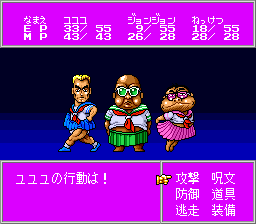
Aurora Quest: Otaku no Seiza in Another World revitalizes the classic turn-based combat of its 1980s predecessor while integrating modern gameplay conveniences. Battles unfold on a streamlined grid, and each party member can unleash a variety of new special moves that add strategic depth without overwhelming veterans of the genre. The core loop of exploring towns, tackling side quests, and delving into dungeons remains intact, yet the pacing feels smoother thanks to faster encounter transitions and refined AI behavior.
(HEY YOU!! We hope you enjoy! We try not to run ads. So basically, this is a very expensive hobby running this site. Please consider joining us for updates, forums, and more. Network w/ us to make some cash or friends while retro gaming, and you can win some free retro games for posting. Okay, carry on 👍)
One of the standout changes is the removal of cumbersome menu commands for dialogue and interaction. Instead of navigating nested lists to talk to NPCs or examine objects, you simply approach and engage, which keeps the narrative flow brisk. Quest tracking has also been enhanced: mission logs automatically update with contextual hints, helping you stay on course without resorting to external guides. This system strikes a nice balance between old-school challenge and contemporary user-friendliness.
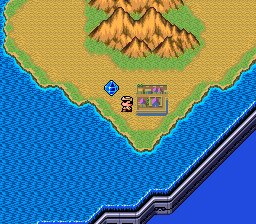
The world map layout and progression have been reimagined to encourage exploration. Rather than funneling you down a rigid path, the open map offers multiple branching routes, hidden mini-dungeons, and dynamic events that trigger based on your level or previous choices. Side missions now feature more varied objectives—chasing rare ingredients for a chef NPC, defending caravans from space pirates, or unearthing ancient relics—ensuring that every detour feels rewarding.
Combat difficulty scales intelligently with your party’s growth. Early boss encounters may feel punishing if you neglect side content, but there are ample opportunities to grind or find gear to even the odds. With each level gained, unlockable skills and combo attacks provide fresh tactics. Whether you prefer direct damage dealers or support-oriented spellcasters, the game accommodates diverse playstyles and encourages experimentation.
Graphics
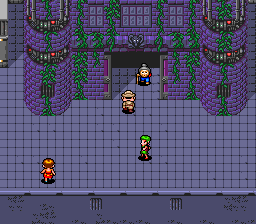
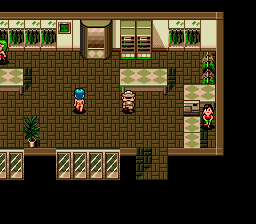
The visual overhaul of Aurora Quest is nothing short of impressive. While retaining the retro charm of pixel art that defined Otaku no Seiza, the remake introduces richly detailed environments, vibrant color palettes, and fluid character animations. Cityscapes teem with life: bustling markets, neon-lit alleyways, and ornate guild halls invite you to pause and take in the scenery before pressing onward.
Cities are significantly larger than in the original, and each district boasts unique architectural styles reflecting the game’s fusion of otaku culture and interstellar fantasy. Arcades glow with holographic displays, specialized workshops reveal exotic crafting stations, and hidden rooftop gardens offer serene respites from the chaos below. Transitioning between indoor and outdoor areas is seamless, with subtle lighting changes and dynamic weather effects heightening immersion.
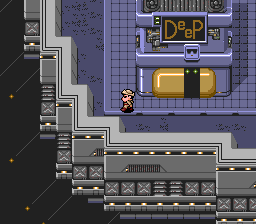
Enemies maintain the classic designs fans remember—robotic cosplayers, cosmic mooks, and bizarre mecha-beasts—but have been re-rendered with improved textures, intricate shading, and distinct idle animations. Boss encounters feel grander, thanks to larger arenas, dynamic camera angles, and stage-specific visual effects that react to your party’s actions. Whether you’re unleashing a multi-hit special or narrowly surviving a pattern-based attack, the spectacle never feels overblown.
On modern hardware, performance remains consistently smooth, even in crowded city hubs or multi-boss skirmishes. Pop-in is virtually non-existent, and load times are kept to a minimum. The soundtrack, a remastered blend of chiptune melodies and orchestral flair, complements the visuals beautifully, elevating the sense of scale without drowning out the action.
Story
Aurora Quest stays true to the original’s whimsical premise: you’re an otaku inadvertently transported to a sprawling cosmic civilization where your fandom suddenly holds real power. Familiar beats such as rookie guild initiation, intergalactic conventions, and battling fanatical space cultists remain intact, but side narratives have been expanded and recontextualized for a modern audience. NPCs now possess deeper backstories, and choices you make in dialogue occasionally influence minor plot threads or unlock secret missions.
The principal story elements—rescuing a kidnapped idol, thwarting a megalomaniacal collector bent on weaponizing rare memorabilia, and uncovering the origins of the “Star Council”—remain engaging, blending tongue-in-cheek humor with moments of genuine emotional resonance. Character interactions are more natural without clunky menu prompts; witty banter flows organically, and important decisions are highlighted with subtle camera and UI cues that emphasize their significance.
World-building receives a major boost through environmental storytelling. Ancient murals hint at the galaxy’s forgotten wars, and side quest logs include codex entries detailing alien cultures, technology, and the lore behind iconic in-game items. While longtime fans will appreciate the respectful nods to the original, newcomers won’t feel alienated; the narrative stands on its own merit as an accessible introduction to a quirky, expansive universe.
That said, pacing can occasionally falter in the midgame, where a cluster of side missions leads to lengthy fetch quests before the next main story beat. However, the varied mission design and strong cast of supporting characters generally keep momentum from stalling for too long. Overall, the tale of the otaku hero who becomes the galaxy’s last hope remains a delight.
Overall Experience
Aurora Quest: Otaku no Seiza in Another World is a triumphant remake that balances nostalgia with meaningful innovation. Fans of the original will find plenty of familiar lore, redesigned enemies, and narrative callbacks, while new players can dive in without prior exposure and immediately appreciate the enriched world and updated mechanics. The result is a game that honors its roots yet feels unmistakably fresh.
The combination of larger, more interactive cities, revamped combat with new special moves, and a refined user interface creates an adventure that’s both approachable and deep. Whether you’re grinding for that last rare item or racing through main missions to see the next cutscene, the experience remains consistently engaging. The expanded exploration opportunities and branching map routes encourage replayability, as does the hidden post-game content unlocked by completing secret side arcs.
Graphically, Aurora Quest offers a love letter to classic JRPG aesthetics enhanced by modern polish. The soundtrack and sound design further elevate the atmosphere, ensuring each dungeon crawl and city stroll feels vibrant. Though minor pacing hiccups arise in the late midgame, they’re easily offset by the game’s stronger moments of discovery and narrative payoff.
For anyone seeking a charming, lighthearted RPG with a twist of otaku culture and interstellar adventure, Aurora Quest is a must-have. It successfully bridges the gap between retro simplicity and contemporary design, delivering hours of exploration, strategy, and storytelling that will satisfy genre veterans and new recruits alike.


Reviews
There are no reviews yet.