 Retro Replay Retro Replay gaming reviews, news, emulation, geek stuff and more!

Retro Replay Review
Gameplay
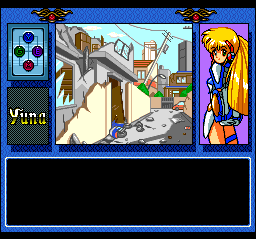
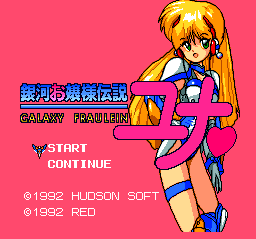
Ginga Ojōsama Densetsu Yuna blends visual novel storytelling with simplified turn-based combat, resulting in a unique hybrid experience. Players navigate through illustrated panels, moving Yuna Kagurazaka to interact with various characters and unlock the next chapter of the narrative. Dialogue choices are minimal to none, focusing instead on savoring the colorful cast and lighthearted banter.
(HEY YOU!! We hope you enjoy! We try not to run ads. So basically, this is a very expensive hobby running this site. Please consider joining us for updates, forums, and more. Network w/ us to make some cash or friends while retro gaming, and you can win some free retro games for posting. Okay, carry on 👍)
Once a conversation or scene concludes, the game transitions seamlessly into a battle against one of the 13 Fräuleins of Darkness. Combat is stripped back to its essentials: you choose between attack or defence for each turn, with no inventory management, no experience points, and no status effects to worry about. This pared-down approach keeps battles brisk and accessible, though offers limited strategic depth.
Because there are no game over states or bad endings, players can experiment freely during fights without fear of setback. Each “defeat” simply advances the story rather than halting it, reinforcing the feeling of an animated comic coming to life. This design choice emphasizes narrative flow over challenge, making it an inviting experience for casual gamers and fans of the magical girl genre alike.
For those seeking more interactivity, the pacing can sometimes feel linear, but the satisfaction of unlocking Yuna’s next transformation or witnessing a new attack animation makes each encounter rewarding. The lack of grinding or resource management also ensures that every minute spent is genuinely progressing the adventure and enjoying the whimsical atmosphere.
Graphics
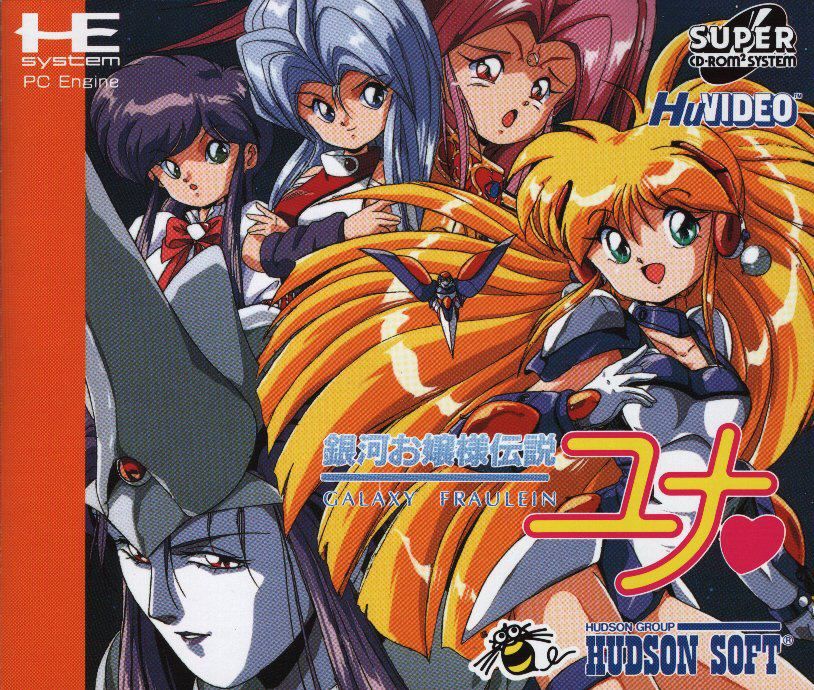
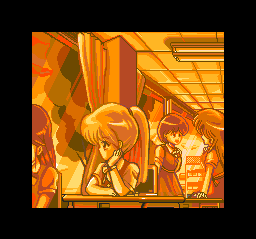
The game’s aesthetic is a love letter to mid-’90s anime and console-era visual novels. Character portraits are richly colored, with expressive eyes and detailed costumes that capture Yuna’s bubbly personality and the menacing flair of her opponents. Background art varies from futuristic cityscapes to alien landscapes, all rendered with clean lines and vibrant palettes.
While animations are relatively sparse—limited to attack flashes, transformation sequences, and occasional facial twitches—the impact is magnified by the high-quality illustrations. Each magical girl and villain boasts a distinct silhouette and color scheme, making it easy to identify allies and enemies at a glance. The transformative sequences, in particular, are a highlight, showcasing fluid motion and bright special effects.
Screen transitions mimic the feel of turning pages in a digital comic book. Scenes slide in, fade out, or cut sharply, depending on the tension of the moment. Although the resolution is standard-definition and the UI elements reflect the era’s chunky design, the overall package remains charmingly retro. Those expecting modern 3D graphics may find it dated, but fans of classic anime visuals will appreciate the nostalgic appeal.
Subtle sound effects during combat—laser blasts, energy pulses, and impact sounds—paired with a cheerful chiptune soundtrack, bolster the sensory experience. While not groundbreaking, the audio-visual combination successfully transports players into Yuna’s universe and maintains engagement throughout the roughly four- to six-hour runtime.
Story
At its heart, Ginga Ojōsama Densetsu Yuna is a magical girl narrative steeped in cosmic stakes and lighthearted humor. Yuna Kagurazaka, a self-proclaimed ditzy 16-year-old idol, is thrust into the role of the “Savior of Light” after winning a Galaxy Fräulein Contest. Her mission: to defend the universe from the sinister 13 Fräuleins of Darkness.
The plot unfolds episodically, with each chapter introducing a new adversary. While the overall arc remains predictable—defeat the villain, learn a lesson, move on—the dialogue brims with charm. Yuna’s earnest enthusiasm often clashes comically with her naiveté, and supporting characters inject warmth and humor to offset the occasional melodrama.
Despite its simplicity, the narrative succeeds in building momentum. Each encounter raises the stakes slightly, hinting at a grander threat behind the Fräuleins of Darkness. Periodic flashbacks and character-centric scenes deepen the lore, giving players glimpses into Yuna’s motivations and the source of her cosmic powers.
Because the story flows uninterrupted by failure states, readers will find themselves immersed in the unfolding saga. The lack of branching paths can feel limiting for those craving multiple outcomes, but the cohesive storyline ensures every moment ties neatly into the climax, delivering a satisfying conclusion befitting a fairy-tale space opera.
Overall Experience
Ginga Ojōsama Densetsu Yuna offers a breezy, no-stress journey through a magical girl universe. Its strengths lie in its vibrant artwork, charming protagonist, and the merger of visual novel and RPG elements in bite-sized encounters. Players looking for a relaxing, story-driven adventure will find plenty to enjoy here.
That said, those seeking deep strategic combat or multiple endings may feel underwhelmed by the limited gameplay options and linear progression. The absence of failure states and character customization keeps the focus squarely on Yuna’s narrative, which will appeal to fans of interactive comics but might disappoint those expecting a traditional RPG challenge.
In terms of replay value, the primary draw is revisiting favorite art panels, listening to the catchy soundtrack, and enjoying Yuna’s humorous quips. For collectors of retro visual novels or magical girl memorabilia, this game stands out as a charming artifact from the era of classic anime-inspired titles.
Ultimately, Ginga Ojōsama Densetsu Yuna is best appreciated as a digital comic with light interactive elements. It delivers a heartfelt and visually appealing adventure that captures the essence of its magical girl roots, making it an engaging purchase for aficionados of the genre and nostalgia seekers alike.


Reviews
There are no reviews yet.