 Retro Replay Retro Replay gaming reviews, news, emulation, geek stuff and more!
Retro Replay Review
Gameplay
Call to Power II delivers a sprawling turn-based experience that challenges players to shepherd a civilization from its prehistoric roots all the way into a speculative future. At its core, the game revolves around empire management: founding cities, constructing buildings and wonders, and balancing food, production, commerce, and citizen happiness. Each decision—whether to build a farm or a factory, upgrade a unit or research a new technology—has a tangible impact on the growth and stability of your burgeoning empire.
(HEY YOU!! We hope you enjoy! We try not to run ads. So basically, this is a very expensive hobby running this site. Please consider joining us for updates, forums, and more. Network w/ us to make some cash or friends while retro gaming, and you can win some free retro games for posting. Okay, carry on 👍)
The depth of strategic options is impressive. Terrain improvements such as mines and roads increase efficiency, while trade routes expand your coffers and diplomatic ties. Military planning requires thoughtful unit compositions, leveraging combined-arms tactics instead of brute-force stacking. Later eras introduce futuristic elements like orbital cities and plasma weaponry, keeping the gameplay fresh even after dozens of hours.
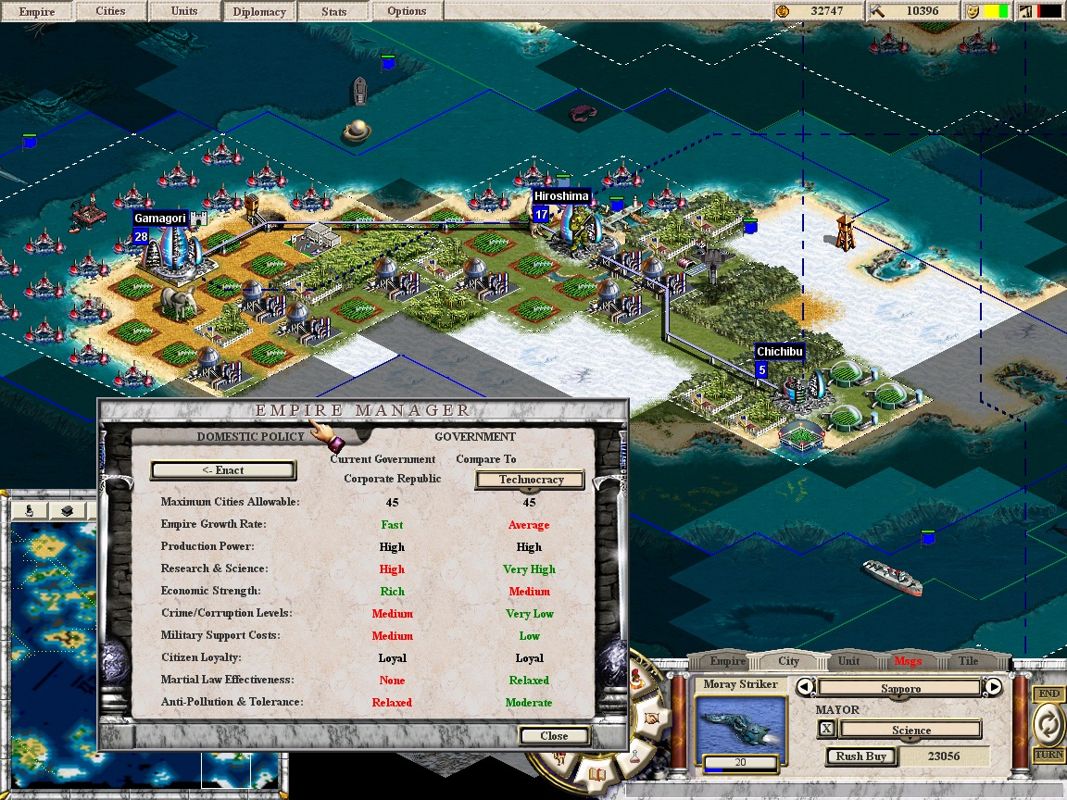
Diplomacy and espionage add another layer of intrigue. You can negotiate alliances, sign trade deals, or declare war, and covert operatives can sow unrest or sabotage rival infrastructure. Meanwhile, the evolving government system forces you to adapt policies—choosing between autocracy, democracy, or more exotic regimes—to manage corruption, citizen freedoms, and military organization. Victory paths range from cultural domination to outright conquest, catering to diverse playstyles and strategic preferences.
Graphics
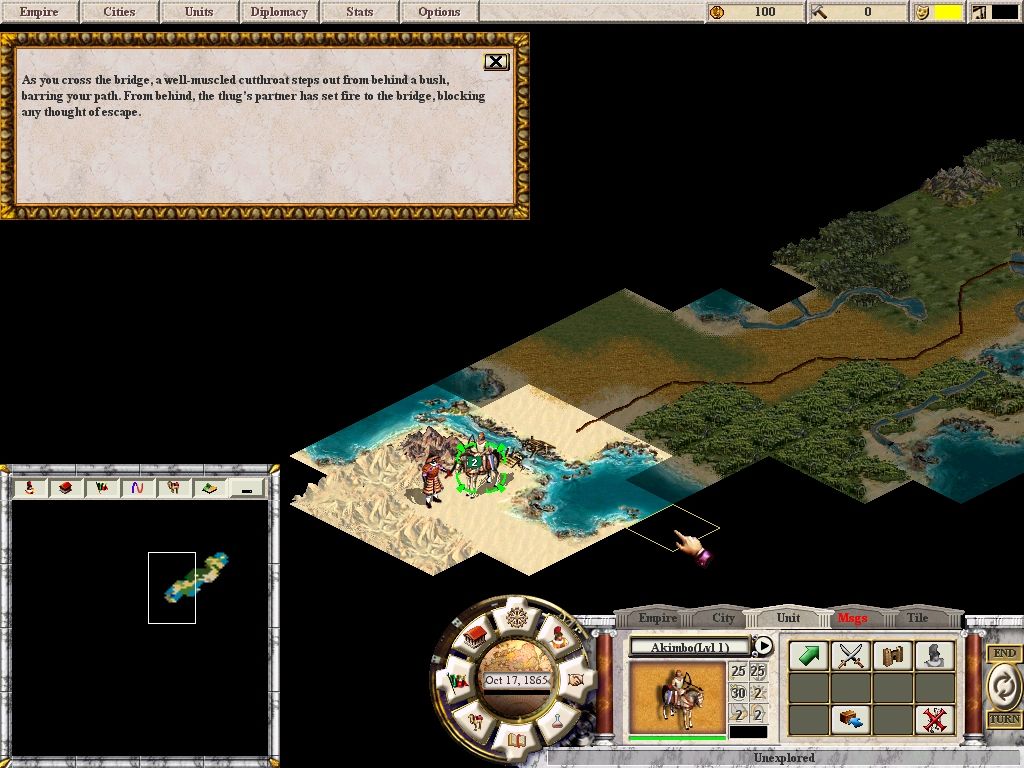
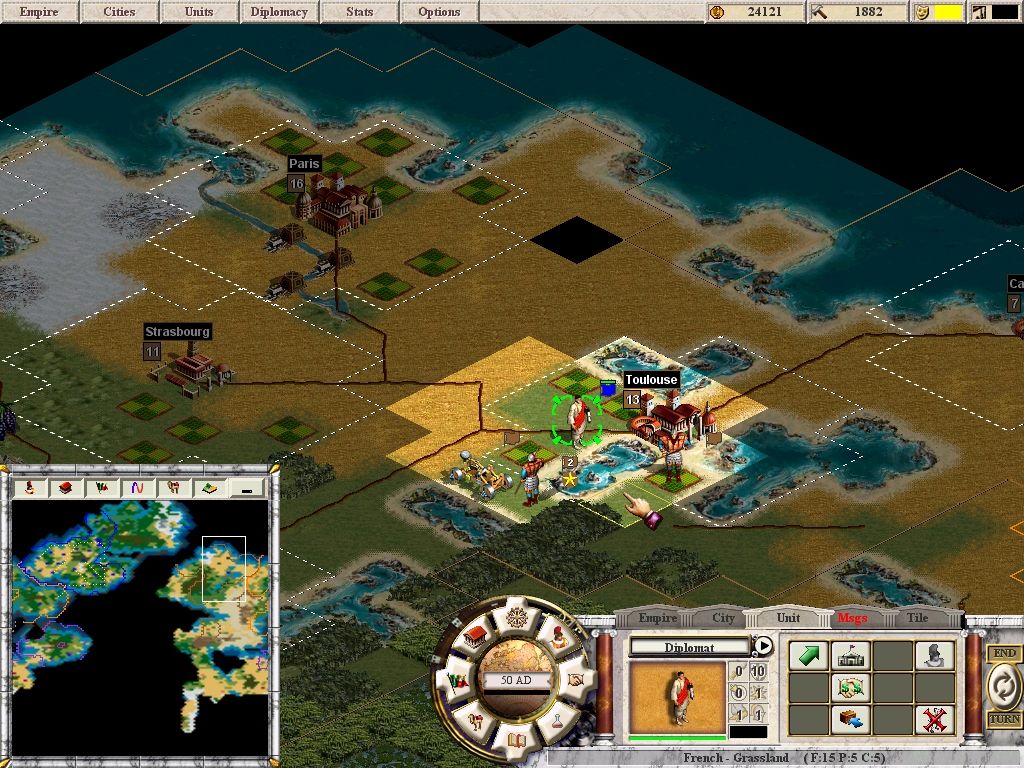
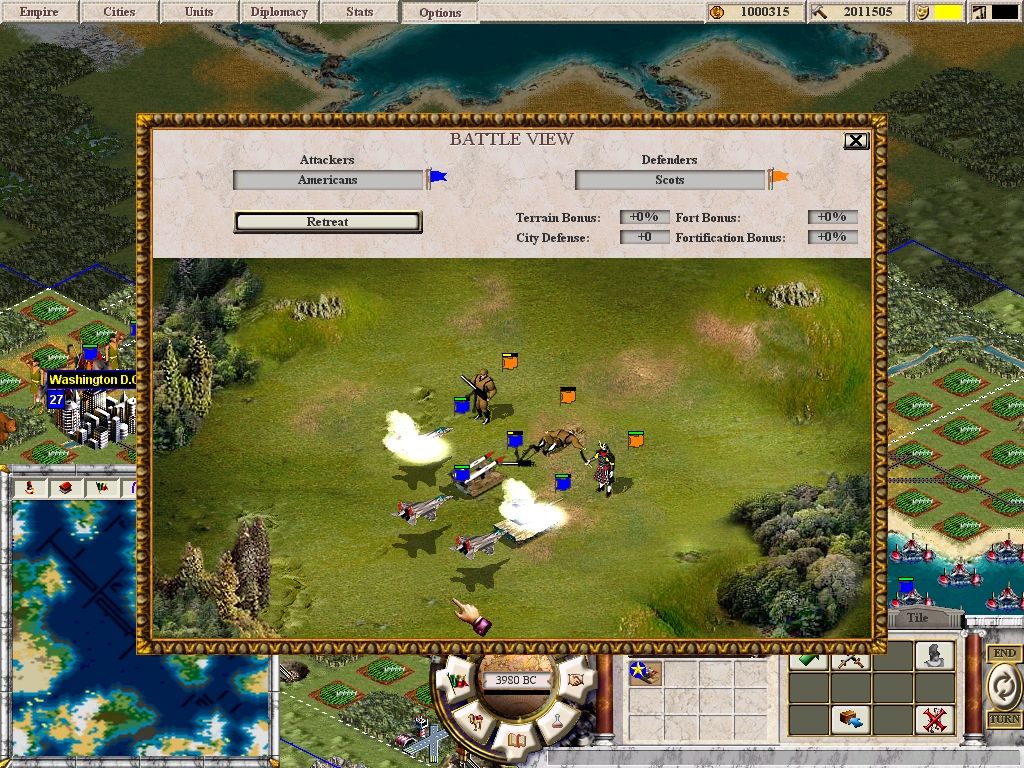
Visually, Call to Power II carries the hallmarks of late-1990s strategy titles. Its isometric tile‐based engine offers clear, functional graphics that make long play sessions comfortable on the eyes, even if they lack the polish of modern HD releases. Terrain types—plains, forests, deserts, and oceans—are distinct and color-coded, ensuring that resource placement and movement remain intuitive.
Unit and city icons are simple yet effective, conveying important information at a glance. When you research futuristic technologies, you’ll see sleek new unit designs—hover tanks, battle robots, and space cruisers—that stand in stark contrast to your early warriors and chariots. Special effects like city fireworks upon wonder completion or flashy spell-like animations for advanced weapons bring moments of visual reward.
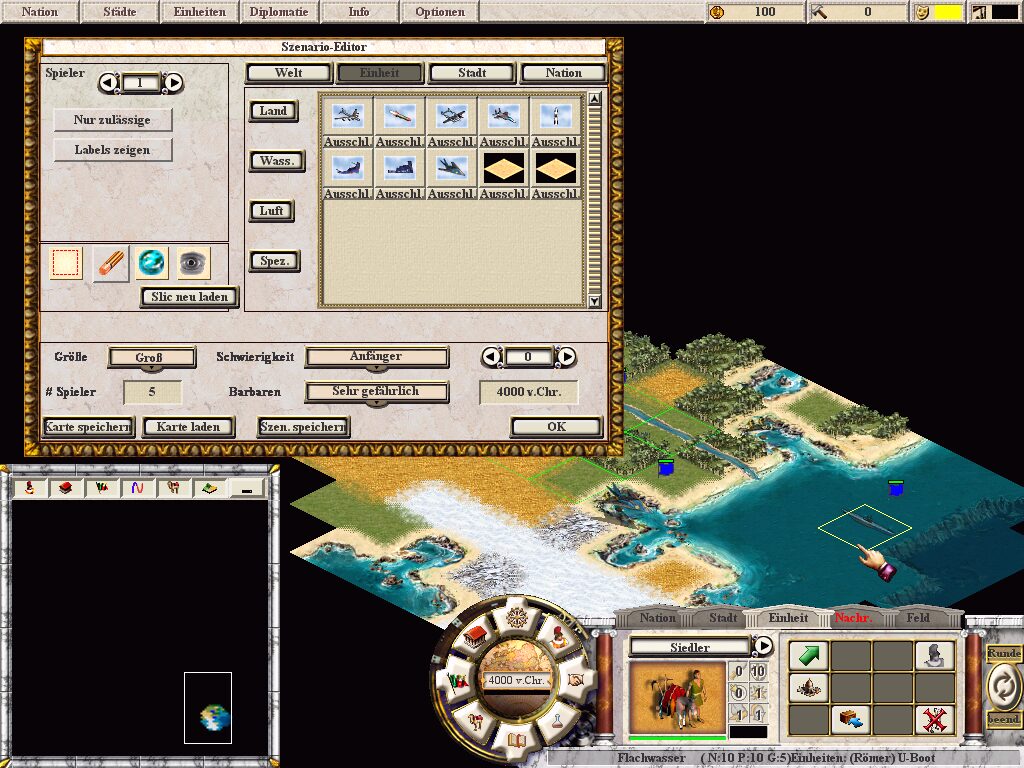
While textures and animations are dated by today’s standards, they have a certain nostalgic charm. The UI, though busier than modern streamlined interfaces, keeps essential information accessible: city statistics, diplomatic standings, and research progress are all neatly organized. For players who prioritize gameplay depth over cutting-edge visuals, the graphics do just enough to support the strategic complexity without getting in the way.
Story
Call to Power II doesn’t follow a traditional linear narrative; instead, it crafts emergent stories driven by player choices and AI interactions. Every empire’s rise and fall unfolds uniquely based on geopolitical maneuvers, technological breakthroughs, and diplomatic betrayals. One playthrough might see you forging a centuries-long alliance, while another degenerates into nuclear standoffs and covert biological warfare.
The game’s speculative future setting stimulates the imagination with its undersea colonies, orbital habitats, and experimental weaponry. Rather than telling a fixed tale, Call to Power II invites you to write history—declaring your own justifications for empire expansion, espionage coups, or peace negotiations. As rival civilizations react dynamically to your actions, memorable events—such as the first successful citysup in high orbit or a diplomatic summit gone awry—become personal milestones in your campaign.
Wonders of the world add flair to the unfolding saga. Constructing marvels like the Time Capsule or Quantum Beacon not only grants powerful bonuses but also provides narrative beats, heralding your civilization’s achievements to all opponents. These landmarks act as chapter markers in your story, punctuating the steady march from mud huts to space stations with dramatic flair.
Overall Experience
For fans of classic 4X (explore, expand, exploit, exterminate) titles, Call to Power II remains a rewarding journey through time. Its vast tech tree spans millennia, ensuring that no two campaigns feel the same. The variety of victory conditions—cultural, scientific, diplomatic, or military—encourages experimentation and multiple playthroughs, extending replayability well beyond the initial learning curve.
Multiplayer support, although less active today, still offers the thrill of human-driven diplomacy and warfare. Against AI opponents, the game strikes a solid balance between challenge and fairness: rival leaders exhibit distinct personalities and agendas, prompting tactical adjustments whether you’re pursuing peaceful coexistence or all-out war. Occasional AI quirks surface, but they rarely detract from the overall strategic puzzle.
Despite its age, Call to Power II stands as a testament to deep, methodical strategy design. Its combination of empire building, technological speculation, and political maneuvering provides a comprehensive grand-strategy experience. If you seek a title that rewards long-term planning, offers wide strategic freedom, and allows you to script your civilization’s epic saga, Call to Power II remains a compelling choice for discerning strategy enthusiasts.



Reviews
There are no reviews yet.