 Retro Replay Retro Gaming History, Reviews & Emulation
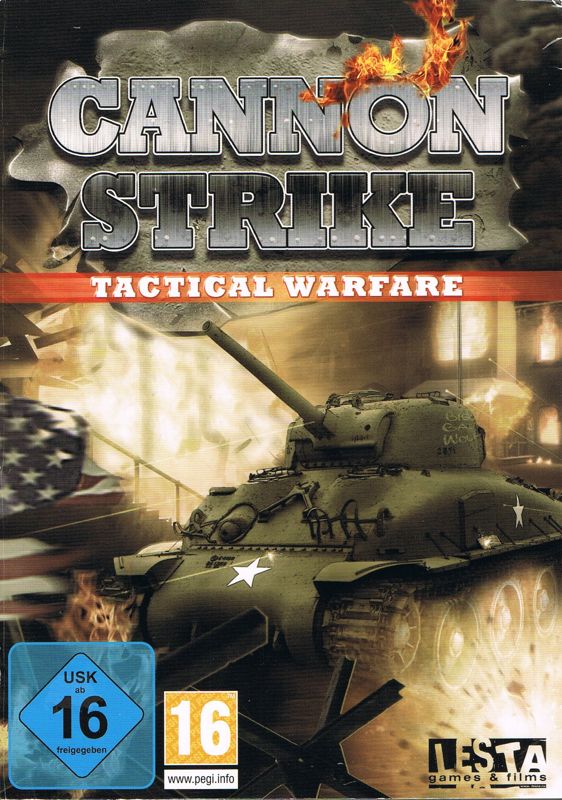
Retro Replay Review
Gameplay
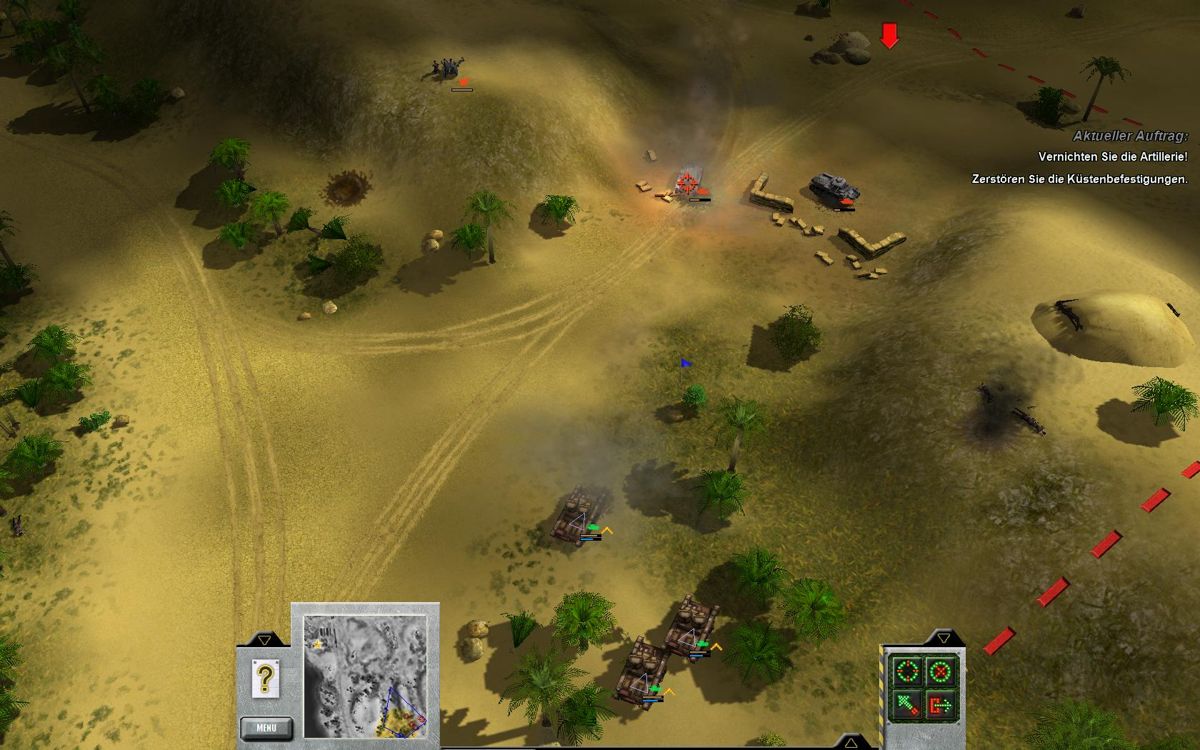
The first few missions have a decent, blunt momentum. You take control of a tank in the action stages, push toward a destination, run down infantry in your path, and try not to get caught by enemy armor. It is a simple loop, but the direct control gives Cannon Strike an immediacy that can be welcome when you do not want to spend an hour arranging a perfect battle plan.
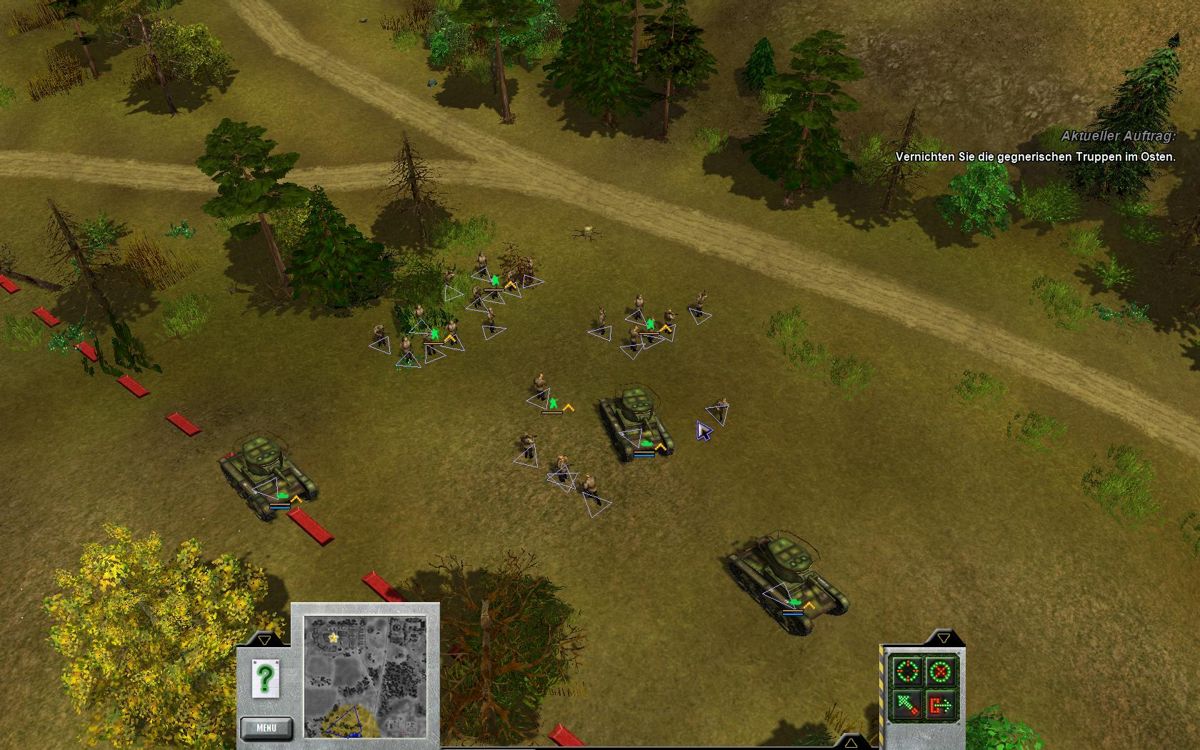
Its strategy missions widen the scope with more troops and indirect control, yet they remain closely tied to the same basic objective design: capture a location or keep one from falling. That focus makes the missions easy to understand, though it also limits how much the game can surprise you. Once you have settled into its rhythm, the two modes feel less like dramatically different forms of warfare and more like variations on a narrow template.
The experience system is the most frustrating missed opportunity. Completing goals makes units stronger, which ought to encourage care and create a sense of a force growing through a campaign. But survivors do not carry into the next mission, so that progression lacks lasting weight. You can still enjoy an individual mission on its own terms, but there is little reason to become attached to the troops that make it through.
Graphics
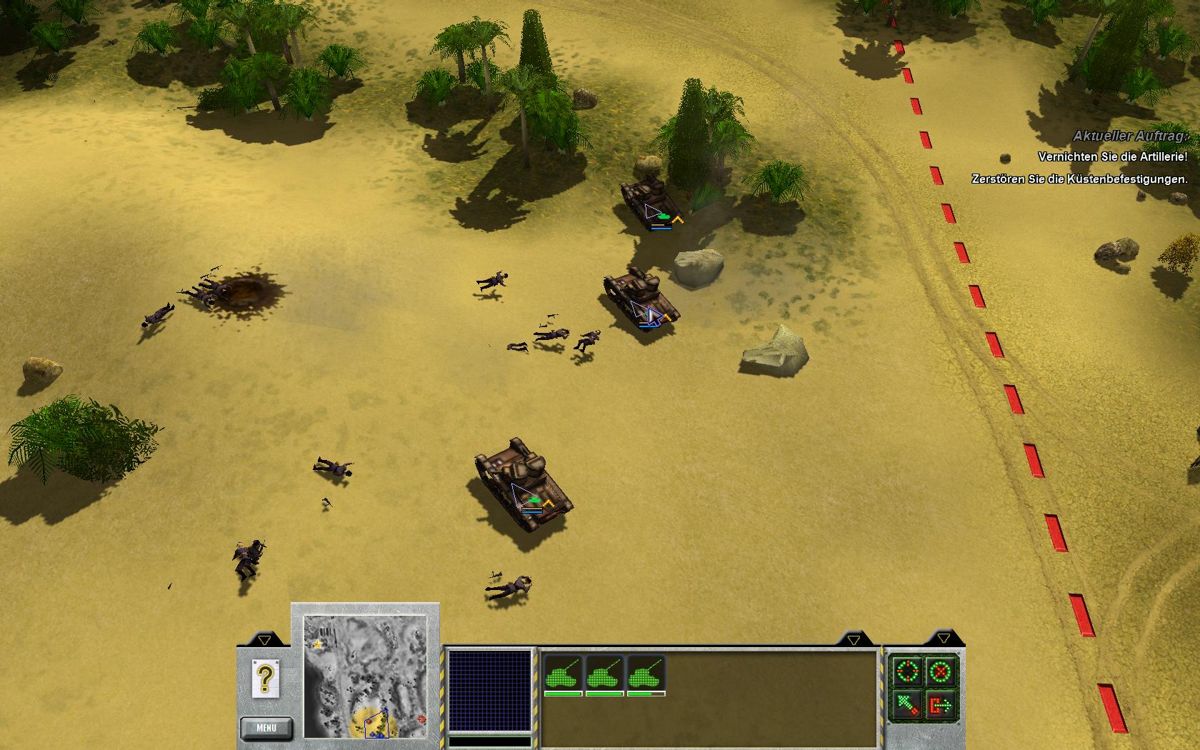
Cannon Strike uses a diagonal-down battlefield view suited to keeping tanks, infantry, and objectives readable in the same space. More importantly, the presentation supports the game’s straightforward priorities: you need to recognize hostile infantry, enemy tanks, and the ground you are trying to seize or defend without fuss.
Do not come in expecting the visual side to sell the World War II setting through lavish detail. The available evidence points to a functional war-game presentation rather than a richly observed recreation of the Eastern Front or Normandy. It does enough to frame the action, but it is not the reason to play.
That plainness can work in the action missions, where clarity matters more than ceremony and you are concentrating on moving a single tank safely from A to B. In the broader strategy stages, however, the limited sense of distinction makes the familiar objectives feel even more routine. The game needs its battles to create their own drama, because the surface presentation does not add much extra character.
Story
There are two campaigns, each built around a recognizable wartime assignment. The Russian side attempts to rescue a scientist on the Eastern Front, while the American/British campaign searches Normandy for a secret chemical plant. These are workable hooks, giving each half a direction beyond simply winning a string of disconnected battles.
Still, Cannon Strike appears more interested in getting you into the next objective than in developing those premises. The campaign setups provide context, not a major narrative reward. If you want a World War II story with personalities, twists, or a strong sense of historical drama, this is unlikely to satisfy that itch.
The setting does at least help the alternating mission types make basic sense. A tank dash feels like a smaller operation within a wider push, while the strategy missions suggest the larger conflict around it. That is enough to keep the campaign moving, but not enough to make its missions feel personally urgent.
Overall Experience
Cannon Strike is easiest to appreciate as a modest, uncomplicated hybrid rather than a deep strategy game. There is a small burst of fun in taking a tank directly into danger, then stepping back for a mission with more units under indirect command. If that contrast sounds appealing, the game can deliver a few agreeable hours without demanding much study.
Its problem is staying power. Sixteen missions across two campaigns sounds respectable, but the repeated capture-or-defend structure and the lack of persistent survivors weaken the sense that you are building toward anything. The game gives you experience-based strengthening, then removes the longer-term consequence that would make it exciting.
Give it a chance if you want low-commitment World War II missions and can accept a thin strategic layer around tank action. Skip it if you want thoughtful campaign progression, varied objectives, or a story that does more than point you toward the next battlefield. Cannon Strike is not broken by its simplicity; it is held back by how seldom that simplicity grows into something more compelling.


Reviews
There are no reviews yet.