 Retro Replay Retro Gaming History, Reviews & Emulation
Retro Replay Review
Gameplay
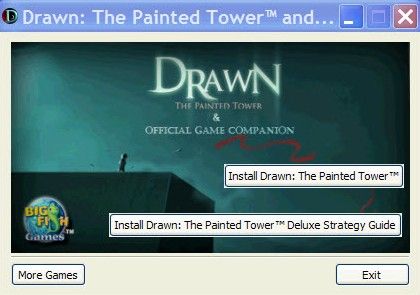
The best thing about this edition is that it gives you an immediate answer when progress stalls. The CD opens with a choice to install either the game or the strategy guide, and the companion is a complete walkthrough rather than a skimpy hint sheet. For a puzzle-heavy fantasy adventure, that is a practical extra: you can decide whether to wrestle with a problem a little longer or get moving again before irritation takes over.
The guide is laid out like a book, with an introduction followed by entries for all eight chapters. Each page combines instructions with pictures, and you can enlarge those images when the printed view is not enough. That makes it more useful than a wall of text, particularly for anyone who prefers a precise nudge over broad advice.
There is a trade-off, naturally. A full walkthrough can flatten the satisfaction of solving things on your own if you consult it at the first sign of resistance. Use it selectively—check the relevant page only after you have genuinely run out of ideas—and it becomes a safety net instead of a spoiler machine. As a package, it is especially friendly to completionists and to anyone who does not enjoy getting stranded in an adventure game.
Graphics
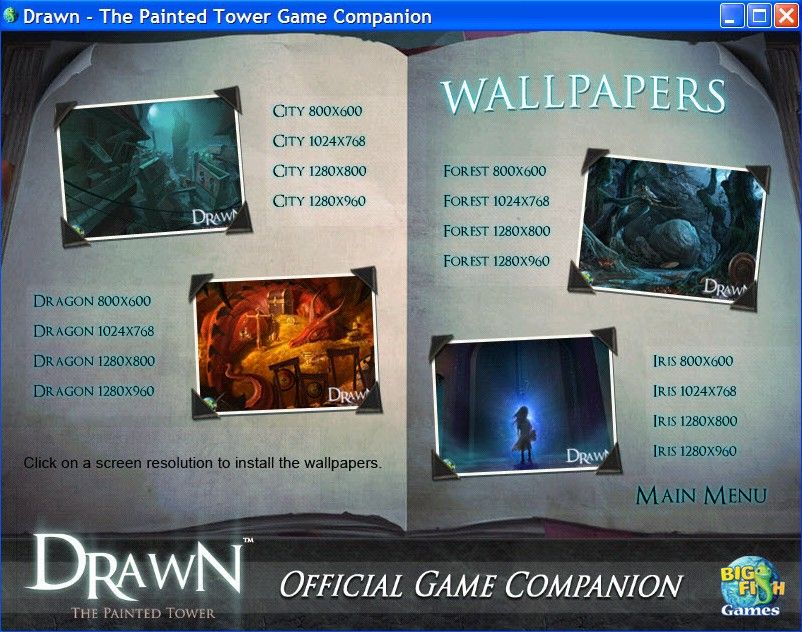
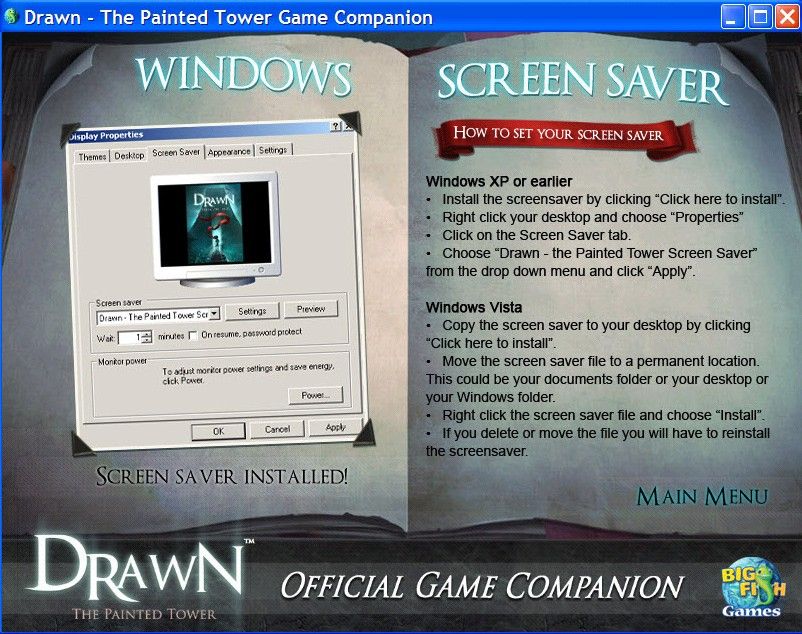
The bonus art gives you a clear look at the game’s illustrated fantasy imagery. Four wallpapers focus on the city, the dragon, the forest, and Iris, while the screensaver starts with hand-drawn design images and transforms them into animated art accompanied by game music.
The production slideshow is the stronger extra for art fans. Its 30 images include rough sketches, monochrome work, and finished colored drawings; oversized pieces pan within the frame so you can inspect the whole image instead of staring at a cropped portion.
Story
This edition does not turn its bonus material into a separate story expansion. Its narrative value comes from helping you stay with the original game rather than leaving its progression behind when a puzzle blocks the way.
The companion’s introduction and eight chapter entries give the adventure a clear structure on the page. That is useful if you return after time away and need to find your place, though it also means the guide can reveal more of the journey than you may want in advance.
The artwork offers character and setting imagery—most directly Iris, a dragon, a city, and a forest—but it works better as a memento of the game than as a substitute for experiencing the adventure in order. Save the slideshow until after a play session if you want the images to feel like a reward rather than a preview.
Overall Experience
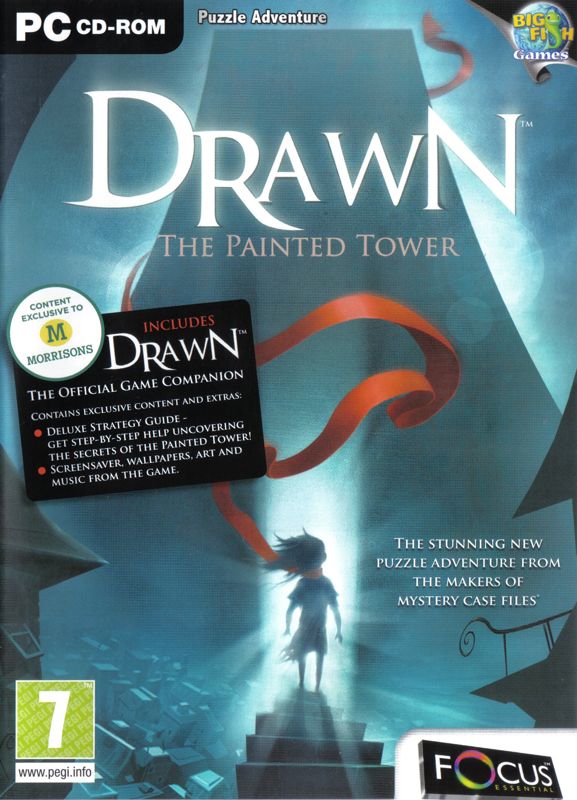
Drawn: The Painted Tower (Morrisons Edition) is a good example of an old-fashioned bonus edition that adds things you can actually use. The full guide is the headline, and it has enough structure and visual support to justify installing it even if you only open it once or twice.
The music selection, wallpapers, screensaver, and production gallery are smaller pleasures, but they fit the illustrated fantasy material well. None of them changes the core game, yet together they make this feel more considered than a bare reissue with a token extra attached.
Pick this version if you want the original game with a convenient built-in escape hatch for difficult moments and a small archive of its art and music. If you guard yourself fiercely against spoilers, install the game first and leave the companion alone until you need it; the payoff is a smoother, less frustrating route through the adventure without giving up every discovery.


Reviews
There are no reviews yet.