 Retro Replay Retro Replay gaming reviews, news, emulation, geek stuff and more!

Retro Replay Review
Gameplay
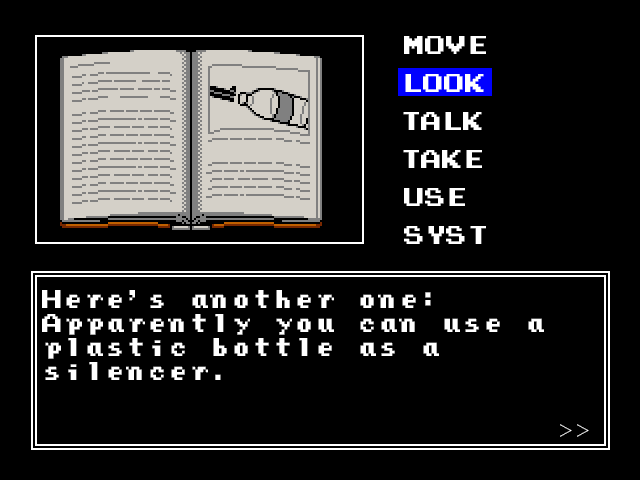
Fedora Spade: The Last Job retains the investigative adventure roots that fans of the series have come to love, while introducing new twists that demand sharper observation and critical thinking. Unlike its predecessors, the game is divided into two distinct parts—first as Daphne Marshall, and then as Fedora Spade himself—each with its own objectives and playstyle. Players must examine richly detailed environments for hidden clues rather than relying on trial-and-error item usage, making every scene a potential mine of crucial evidence.
(HEY YOU!! We hope you enjoy! We try not to run ads. So basically, this is a very expensive hobby running this site. Please consider joining us for updates, forums, and more. Network w/ us to make some cash or friends while retro gaming, and you can win some free retro games for posting. Okay, carry on 👍)
Interrogation sequences have been fine-tuned to feel more dynamic. Instead of choosing from a preset list of questions or pulling out items from your inventory, you’re prompted to type in specific theories or motives to break through a suspect’s façade. This system heightens immersion, as it mimics real detective work: you must assemble the right combination of facts and present them logically. Hints are subtle and environmental, so success depends on your ability to notice seemingly innocuous details—like the bloodstain pattern in Rachel Hunter’s office or the odd positioning of a flamenco dancer’s mask in a back alley.
The two-part structure significantly impacts pacing. Daphne’s section feels more methodical and research-driven: you’ll spend time at Hunter Investments, combing through emails, office logs, and surveillance footage on a retro-style computer interface. In contrast, Spade’s portion drops you into high-stakes fieldwork, hopping between seedy bars, police stations, and shadowy docks. The shift keeps the experience fresh and underscores each character’s investigative strengths, offering a rewarding change of pace for players who crave variety in their gameplay loops.
With a built-in passcode lock to access Fedora Spade’s half of the story, the game cleverly builds anticipation. You can’t jump ahead until you’ve fully resolved Daphne’s arc, ensuring that no clue is overlooked. While this gatekeeping may frustrate completionists eager to play as the titular detective, it reinforces the narrative’s integrity and heightens the sense of achievement when you finally crack the code and continue the case.
Graphics
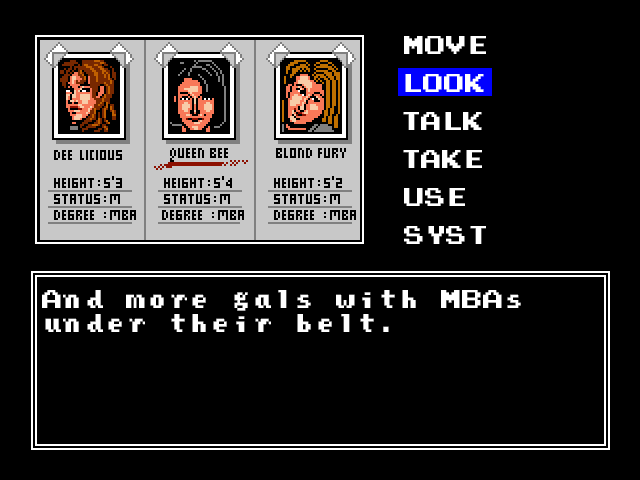
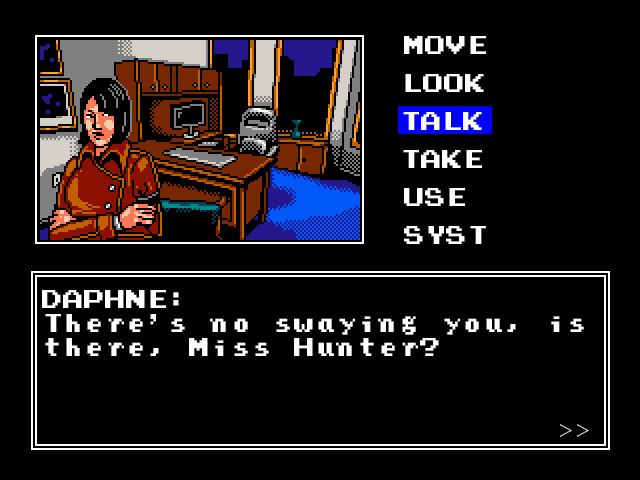
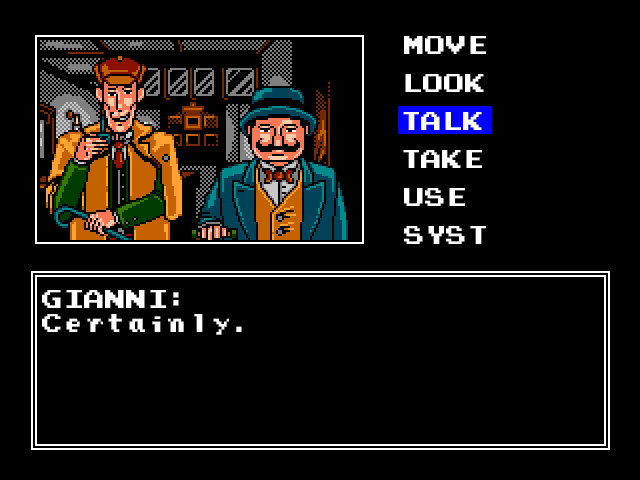
Visually, Fedora Spade: The Last Job continues the series’ trademark blend of hand-drawn character portraits and richly painted backgrounds. Each location is crafted with meticulous attention to detail, from the dusty file cabinets in Hunter Investments to the intricate tilework of the flamenco dancer’s hideaway. Lighting cues and shadow play enhance the film-noir atmosphere, making every scene feel like a frame lifted straight from a 1940s detective thriller.
Character animations strike a balance between stylized exaggeration and grounded realism. Fedora Spade’s sharp trench coat swirl, Daphne’s subtle eyebrow raises during an interrogation, and even the eccentric chief of police’s violin-playing gestures are all crisply animated. These micro-animations breathe life into the dialogue-heavy sequences, preventing the experience from feeling static or text-bound.
The user interface is both functional and thematic. Inventory screens and evidence boards adopt a parchment-and-brass design aesthetic, reinforcing the retro-detective vibe without obscuring functionality. Pop-up clue descriptions and dossier entries are easy to navigate, though the decision to hide certain environmental hints does demand pixel-perfect clicking in some scenes, which may test the patience of less meticulous players.
Performance is rock-solid across all supported platforms, with no noticeable frame drops or texture pop-in. The soundtrack, while technically not part of the graphics, complements the visual style perfectly: moody jazz riffs and tense piano staccatos enhance the noir sensibility and make exploration all the more immersive.
Story
As the concluding chapter of Fedora Spade’s saga, The Last Job masterfully ties up long-standing mysteries—most notably the notorious Crimson April case, in which Spade allegedly shot his partner Tex. By revisiting old evidence and weaving in fresh testimony, the narrative delivers satisfying revelations that both reward veteran players and stand on their own for newcomers.
Daphne Marshall’s narrative arc stands out as a fresh perspective. Formerly Spade’s partner on the force, she’s now an assistant at Hunter Investments, accused of murdering her boss, Rachel Hunter. Her journey of clearing her own name while retracing the steps of the Crimson April case provides a personal, emotionally charged opening act. Daphne’s section delves into themes of loyalty, trust, and redemption, setting a compelling stage before handing the reins back to Fedora Spade.
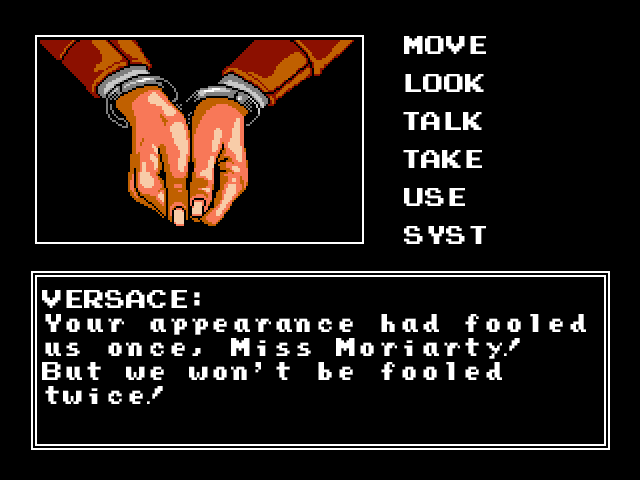
When players switch to Fedora Spade, the stakes escalate. Spade isn’t just solving a case—he’s protecting Daphne, facing old adversaries, and confronting the moral ambiguity of his past actions. The two-part structure allows the story to unfold in layers, unveiling new twists that reframe earlier events. Cameos from series regulars like Baldie, Theo, Bong, and Charlie provide nostalgic fan service, while new characters—such as the ninja-masked flamenco dancer and the detectives Gianni and Versace—inject fresh intrigue into the plot.
Dialogues remain the game’s greatest strength, blending sharp wit, dry humor, and heartfelt moments. Even minor NPCs are memorable thanks to clever writing and distinct personalities. As loose ends are tied up, The Last Job manages to deliver an emotionally resonant finale that respects the series’ legacy while offering enough surprises to keep you guessing until the final line of typed input.
Overall Experience
Fedora Spade: The Last Job offers a compelling blend of nostalgia and innovation. Returning players will appreciate the careful resolution of ongoing plotlines, while newcomers can dive into a cleverly constructed detective story without needing to have played the previous titles. The split protagonist system provides variety in tone and gameplay, preventing fatigue and ensuring each half of the game feels distinct yet thematically unified.
While the requirement to locate hidden, non-obvious clues may frustrate casual players, dedicated sleuths will find this design choice immensely rewarding. The direct-answer typing mechanic adds an extra layer of challenge and realism, forcing you to think like a detective rather than rely on trial-and-error inventory juggling. It’s a bold departure from adventure game norms that pays off in engagement and replayability.
Some pacing issues arise in Daphne’s more methodical research segments, which can slow down the momentum before Spade’s high-octane fieldwork picks up. However, this contrast ultimately works in favor of the story, offering a deliberate buildup that makes the final revelations hit harder. The overall length is just right—a lengthy mystery that never overstays its welcome.
In conclusion, Fedora Spade: The Last Job stands as a fitting finale to a beloved series. Its rich environments, nuanced characters, and inventive gameplay mechanics create a memorable detective experience. If you crave a narrative-driven adventure that challenges both your intellect and your attention to detail, this last outing with Fedora Spade is a must-play.


Reviews
There are no reviews yet.