 Retro Replay Retro Replay gaming reviews, news, emulation, geek stuff and more!

Retro Replay Review
Gameplay
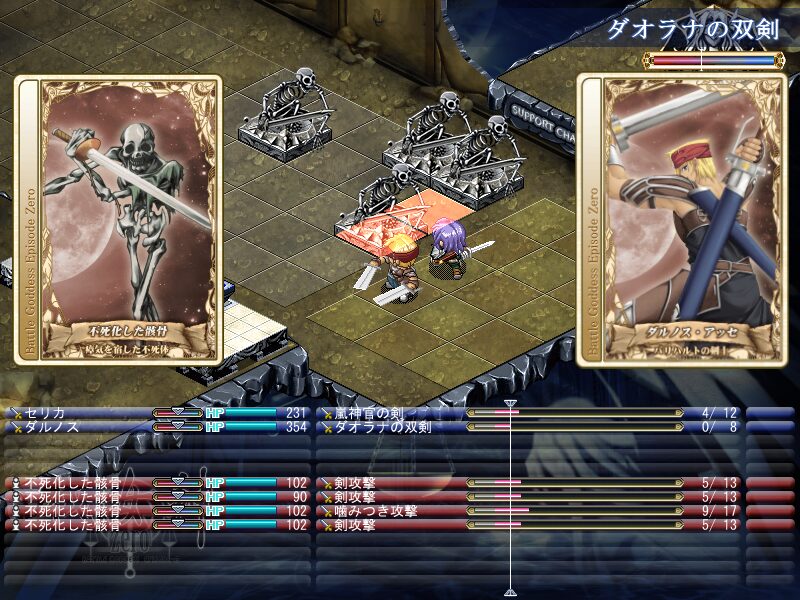
Ikusa Megami Zero builds on the classic Japanese RPG formula by delivering a turn-based combat system that feels both familiar and refined. Battles unfold on an isometric grid, encouraging strategic positioning and thoughtful use of each party member’s unique abilities. Whether you’re unleashing Celica’s divine smites, coordinating elemental attacks with your allies, or exploiting enemy weaknesses, each encounter demands careful planning and foresight.
(HEY YOU!! We hope you enjoy! We try not to run ads. So basically, this is a very expensive hobby running this site. Please consider joining us for updates, forums, and more. Network w/ us to make some cash or friends while retro gaming, and you can win some free retro games for posting. Okay, carry on 👍)
The party management in Ikusa Megami Zero is robust, allowing you to recruit and swap out characters whose skills complement Celica’s paladin prowess. You’ll find yourself balancing offensive spellcasting, defensive buffs, and healing arts to navigate the more challenging boss fights. As you level up, you unlock new skills and passive bonuses, which keep the progression engaging and ensure your tactics can evolve throughout the adventure.
Exploration and side quests add further depth to the gameplay loop. Wandering through intricately designed towns, forests, and dungeons, you’ll discover hidden treasures and optional bosses that test your mastery of the combat system. While the main quest focuses on Celica’s pilgrimage to purify a sacred relic, diversions like arena challenges and escort missions provide satisfying detours that enrich the overall experience without feeling like filler.
One notable feature is the way the game weaves narrative choices into the combat scenarios. During key story moments, your decisions—often framed as loyalty to Barouhart versus burgeoning romantic loyalties—can affect battle conditions or unlock alternate dialogue sequences. This interplay between story and gameplay elevates Ikusa Megami Zero above standard turn-based fare, making every fight feel narratively meaningful.
Graphics
The visual presentation of Ikusa Megami Zero pays homage to retro 2D RPGs, employing detailed pixel art that captures both the charm and clarity of the genre’s golden era. Character sprites are crisply animated, conveying emotion and personality even within the constraints of 16-bit–style graphics. In battle, spell effects and ability animations burst with color, offering a satisfying contrast against the more subdued environmental tilesets.
Environments range from lush forest-clearings to austere temple interiors, each rendered with a keen eye for detail. The isometric perspective accentuates depth and allows for clever level design—platforms, elevation changes, and hidden alcoves invite thorough exploration. Though no modern 3D bells and whistles are present, the art style remains timeless and never feels outdated or muddy.
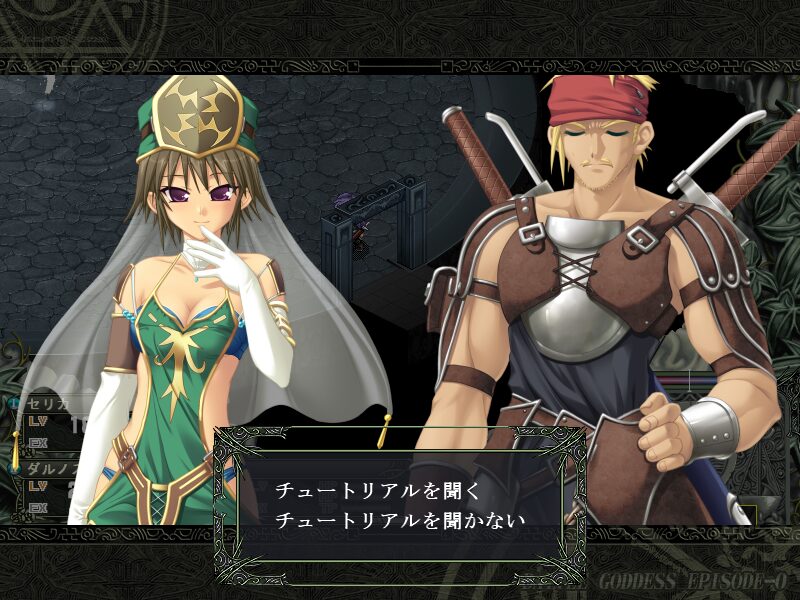
Cutscenes are presented as still anime-style illustrations, showcasing high-quality artwork that punctuates dramatic moments. These images, paired with expressive dialogue boxes, convey the emotional stakes without resorting to full-motion animation. For fans of classic RPG storytelling, these vignettes evoke nostalgia while reinforcing key plot developments.
One element that may divide players is the inclusion of explicit sexual scenes. Rendered in the same 2D art style, these sequences are integrated as reward-based events rather than gratuitous interludes. If mature content is acceptable to you, these moments add an extra layer of intimacy to Celica’s relationships; otherwise, they can be skipped to maintain focus on the core adventure.
Story
Serving as a prequel to the original Ikusa Megami, this title unravels the formative events that transform Celica from a dutiful paladin into the fabled “God-Killer.” The narrative opens with Celica’s assignment to cleanse a sacred relic in Barouhart’s temple complex, setting the stage for a journey that challenges both his faith and his heart. It’s a tale steeped in divine intrigue, political machinations, and personal sacrifice.
The central conflict revolves around Celica’s unexpected encounter with a mysterious woman whose motives blur the lines between ally and adversary. As Celica grapples with burgeoning feelings of love, he must decide whether to uphold his vows to Barouhart or follow the dictates of his heart. This thematic tension—love versus loyalty—drives much of the game’s emotional weight and keeps players invested in each pivotal decision.
Dialogues are well-paced, balancing world-building exposition with character-driven moments. The supporting cast, though smaller than in many RPGs, is memorable: a stoic knight, a mischievous sorceress, and a wise-cracking rogue each bring their own perspectives on divinity and duty. Side stories flesh out the game’s lore, revealing the broader implications of Barouhart’s influence and the hidden histories of ancient temples.
While the primary storyline spans roughly 20–25 hours, optional quests and multiple dialogue paths encourage replayability. Depending on your choices, you can unlock alternate endings that shed new light on Celica’s transformation into the “God-Killer.” This branching structure ensures the narrative remains engaging, even on subsequent playthroughs.
Overall Experience
Ikusa Megami Zero succeeds in melding classic JRPG sensibilities with a compelling prequel narrative. Its turn-based battles are challenging yet fair, the pixel-perfect graphics evoke a sense of nostalgia without sacrificing clarity, and the story offers a nuanced look at faith, love, and destiny. Longtime fans of retro RPGs will feel right at home, while newcomers can appreciate the accessible mechanics and engaging plot twists.
The mature content may not be for everyone, but it’s handled with enough context to feel like an organic part of Celica’s journey rather than gratuitous fan service. Players seeking a purely family-friendly experience might find those scenes distracting, but the core adventure remains intact even if you choose to skip them.
Replay value is bolstered by branching story paths, hidden challenges, and a variety of side quests that reward thorough exploration. If you enjoy methodical combat, layered storytelling, and vibrant pixel art, Ikusa Megami Zero offers a rich, memorable experience that stands on its own while deepening the lore of the Ikusa Megami universe.
Overall, Ikusa Megami Zero is a must-play for fans of traditional JRPGs who appreciate a well-crafted prequel story. Its blend of strategic combat, character-driven drama, and retro aesthetic creates a cohesive package that honors its predecessors while carving out its own identity. For anyone looking to dive into Celica’s origin story and experience a heartfelt adventure, this game is well worth your time.


Reviews
There are no reviews yet.