 Retro Replay Retro Replay gaming reviews, news, emulation, geek stuff and more!


Retro Replay Review
Gameplay
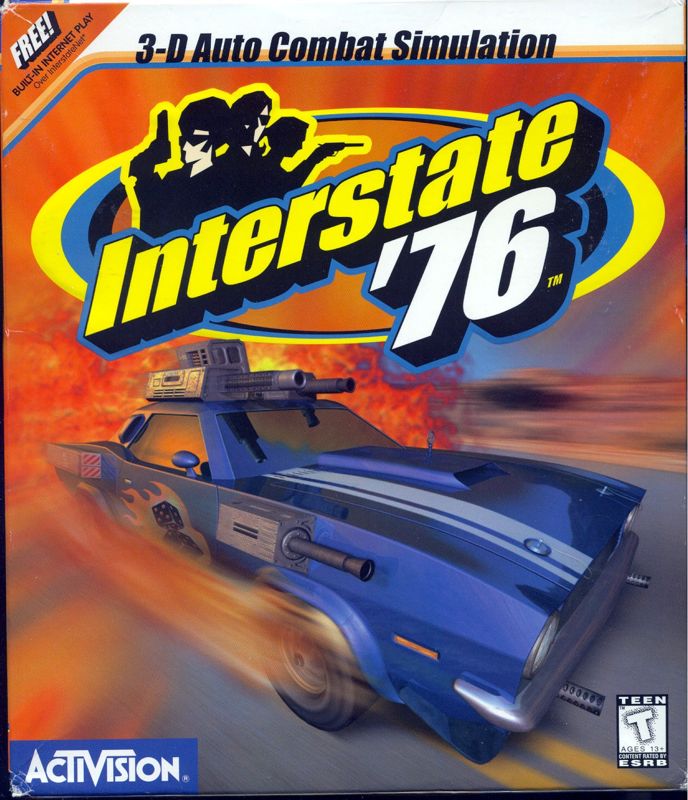
Interstate ’76 delivers a distinctive blend of vehicular combat and tactical driving that sets it apart from other action titles of its era. The core experience revolves around controlling Groove Champion’s Picard Piranha, outfitted with an arsenal of weapons ranging from rapid-firing machine guns to explosive grenade launchers. Each mission demands a different approach—sometimes you’ll be ambushing convoys, other times fending off waves of armed gangs. The diversity of objectives keeps the gameplay loop fresh across all 17 scripted missions.
(HEY YOU!! We hope you enjoy! We try not to run ads. So basically, this is a very expensive hobby running this site. Please consider joining us for updates, forums, and more. Network w/ us to make some cash or friends while retro gaming, and you can win some free retro games for posting. Okay, carry on 👍)
The game world is surprisingly open-ended, offering trackless desert highways and winding canyons for you to explore. While missions generally funnel you toward specific targets, you have the freedom to scout ahead, plan ambush points, and engage enemies on your own terms. This non-linear structure encourages experimentation with loadouts: installing heavier frontal armor might let you tank hits in head-on clashes, whereas lighter configurations enhance agility for quick hit-and-run strikes.
One of Interstate ’76’s strongest assets is its physics model. Car handling feels authentic, with weight transfer, tire grip, and collision damage all simulated to believable effect. Ramming an enemy vehicle at high speed doesn’t just look impressive—it alters both cars’ trajectories and can flip or disable opponents outright. This realism adds tension to every chase and firefight, making each encounter a thrilling test of both driving skill and strategic weapon use.
Graphics
Upon its 1997 release, Interstate ’76 showcased graphics that married the gritty aesthetic of ’70s pulp fiction with the technical capabilities of late-decade PCs. The game’s environments—sun-bleached deserts, dusty red rock canyons, and derelict oil fields—are richly textured, evoking a world teetering on societal collapse. The palette favors browns, oranges, and browns again, reinforcing the sense of arid desolation and high-stakes lawlessness.
Vehicle models are impressively detailed, down to the chrome bumpers and vinyl-topped roofs that define classic muscle cars. Damage effects are visceral: you’ll see dents appear, paint chips spray, and windows shatter dynamically as bullets strike or metal clashes. These visual flourishes heighten immersion, providing instant feedback on the success of your maneuvers or the impacts sustained in a firefight.
While modern players may find the polygon counts modest by today’s standards, Interstate ’76’s art direction holds up remarkably well. Funky disco-themed cutscenes, complete with hand-drawn character portraits, inject personality into mission briefings and dialogue. The combination of stylized cinematics and in-game visuals creates a cohesive ’70s atmosphere that feels both nostalgic and fresh.
Story
Set in an alternate 1976 besieged by an oil crisis and governmental collapse, Interstate ’76 unfolds as a revenge-driven road odyssey. You play Groove Champion, a former hot-rodder turned vigilante after the brutal murder of his sister Jade. Inheriting her custom Picard Piranha, you set out across the Southwest to hunt down her killer and bring justice to those who profit from chaos on the open highways.
The narrative is delivered through stylized cutscenes and memorable character banter, blending deadpan humor with raw emotion. Each mission briefing introduces eccentric villains—mercenaries, corrupt oil barons, and rogue bikers—whose motives intertwine with the larger oil shortage crisis. Though the plot is revenge-centric, it also comments on broader themes of greed, resource scarcity, and the breakdown of civic order.
Dialogue is snappy and evocative of the era, with a soundtrack of funk and rock underlining every exchange. This carefully crafted audio-visual package elevates the storyline, making it more than just a backdrop for vehicular mayhem. By the final mission, you’ve experienced a condensed yet satisfying arc that balances personal vendetta with the fate of a crumbling society.
Overall Experience
Interstate ’76 remains a cult classic for good reason. Its fusion of authentic car physics, robust combat mechanics, and evocative ’70s style produces an experience that’s both unique and enduring. Whether you’re a fan of vehicular action or simply curious about classic PC gaming, this title offers hours of strategic mayhem and nostalgia-tinged storytelling.
The AI opponents present a fair challenge, adapting to your tactics and forcing you to switch up your approach over time. Multiplayer modes further extend replayability, allowing up to eight players to duke it out in free-for-all or team-based skirmishes. The result is a package that caters to both single-player narratives and adrenaline-fueled group battles.
For potential buyers, Interstate ’76 delivers value through its distinct atmosphere, solid mechanics, and memorable characters. It may show its age in resolution and user interface, but the core design shines through. If you’re seeking a vehicular combat game with personality and depth, Groove Champion’s road to revenge is well worth travelling.


Reviews
There are no reviews yet.