 Retro Replay Retro Gaming History, Reviews & Emulation

Retro Replay Review
Gameplay
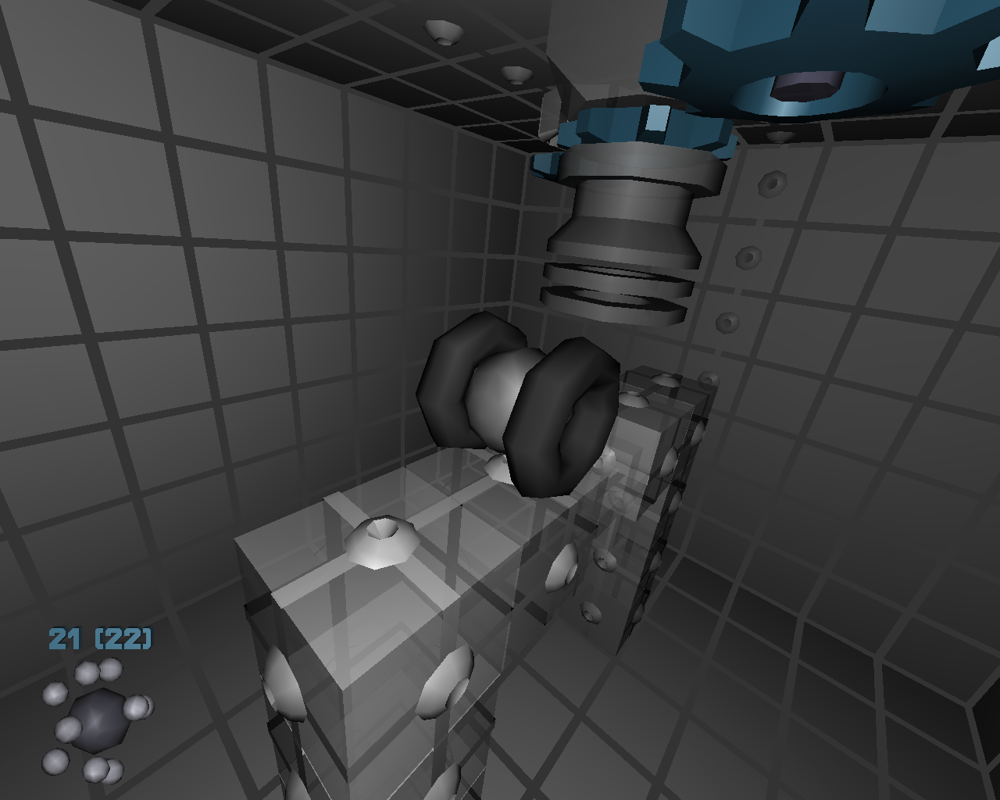
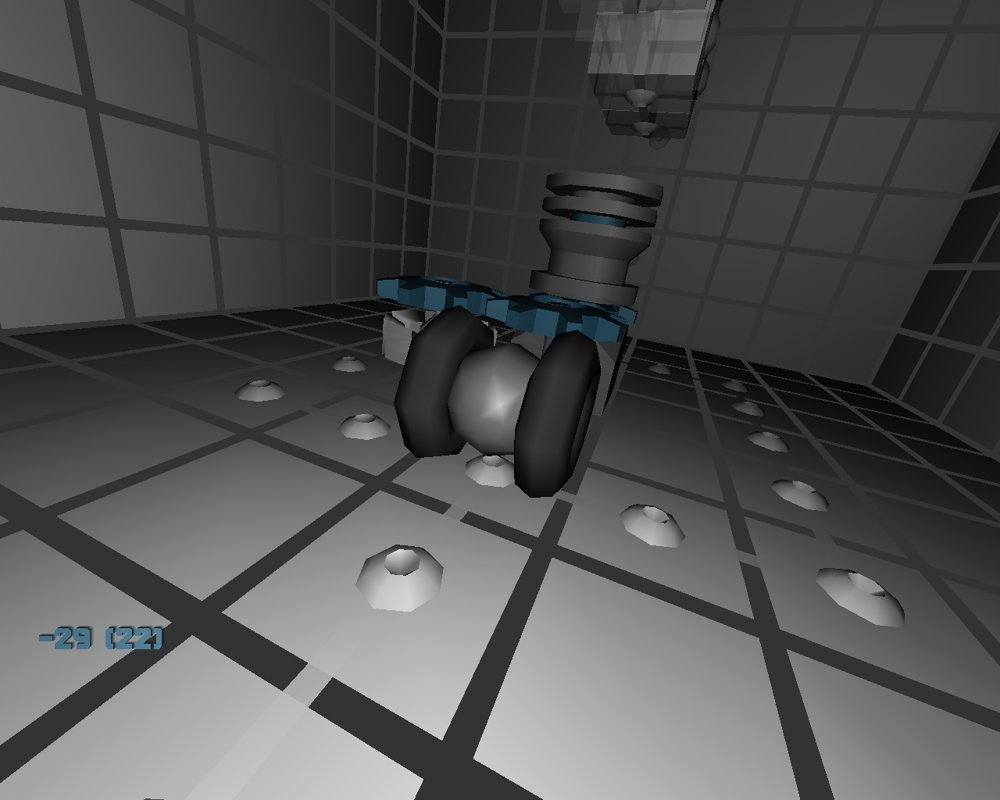
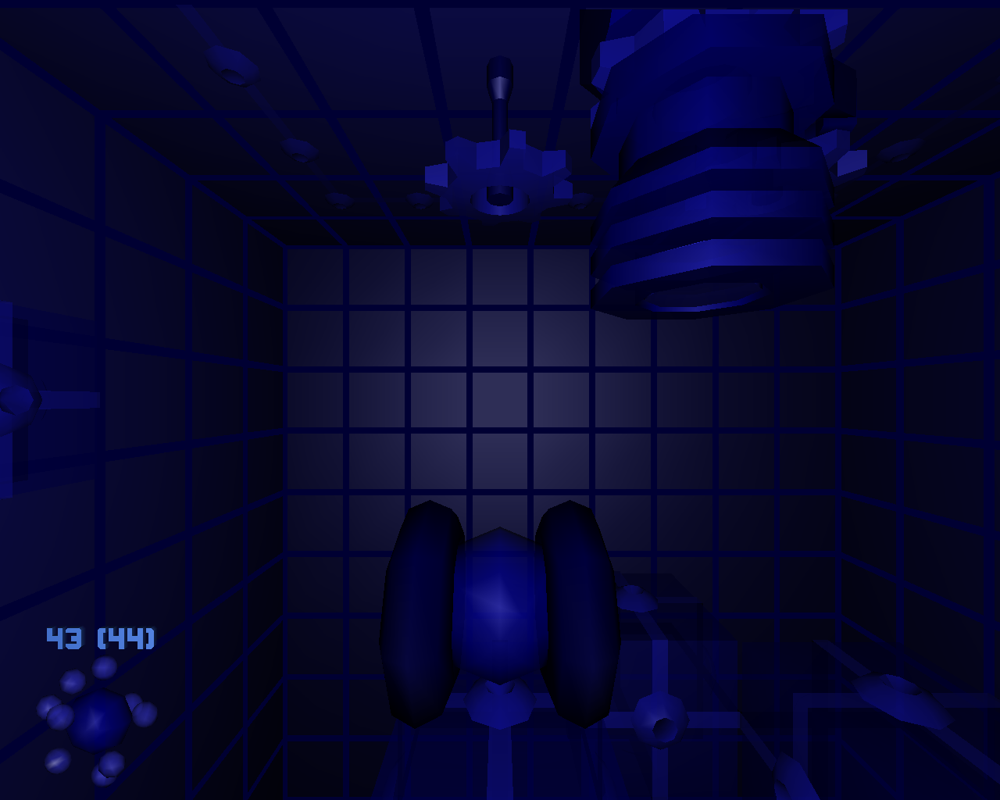
The first few minutes of Kiki the Nano Bot make its central trick immediately appealing. Kiki rolls through enclosed mechanical rooms on adhesive wheels, and whichever surface the robot occupies becomes the new down. A wall is no longer a boundary when you can drive onto it; a ceiling can become the road to the exit. That shift turns familiar puzzle-game route planning into a satisfying exercise in mentally rotating the whole room.
Every level still has a clean, understandable target: reach the exit portal. The catch is that the portal may need power first, often by shooting a switch with Kiki’s laser. The laser also clears obstacles, so it is more than a decorative action-game touch. You are constantly checking sightlines, surfaces, and the order in which a room should be opened up before committing to a route.
Later additions keep the concept from becoming a one-note gravity gimmick. Movable blocks ask you to make space, platforms introduce the need to jump and land on higher ground, and gear chains require you to position and connect components to start a generator. That escalation gives the game a pleasant puzzle-box rhythm: understand one rule, combine it with another, then realize the obvious path is not actually the usable one. Frustration can set in when a room’s spatial logic has not clicked, but that is also where its best moments live.
This is a good fit if you enjoy puzzles that demand orientation and deliberate planning rather than speed. Treat each chamber like a small machine you need to read from every side. Once you stop thinking in terms of a fixed floor, Kiki’s world starts opening up.
Graphics
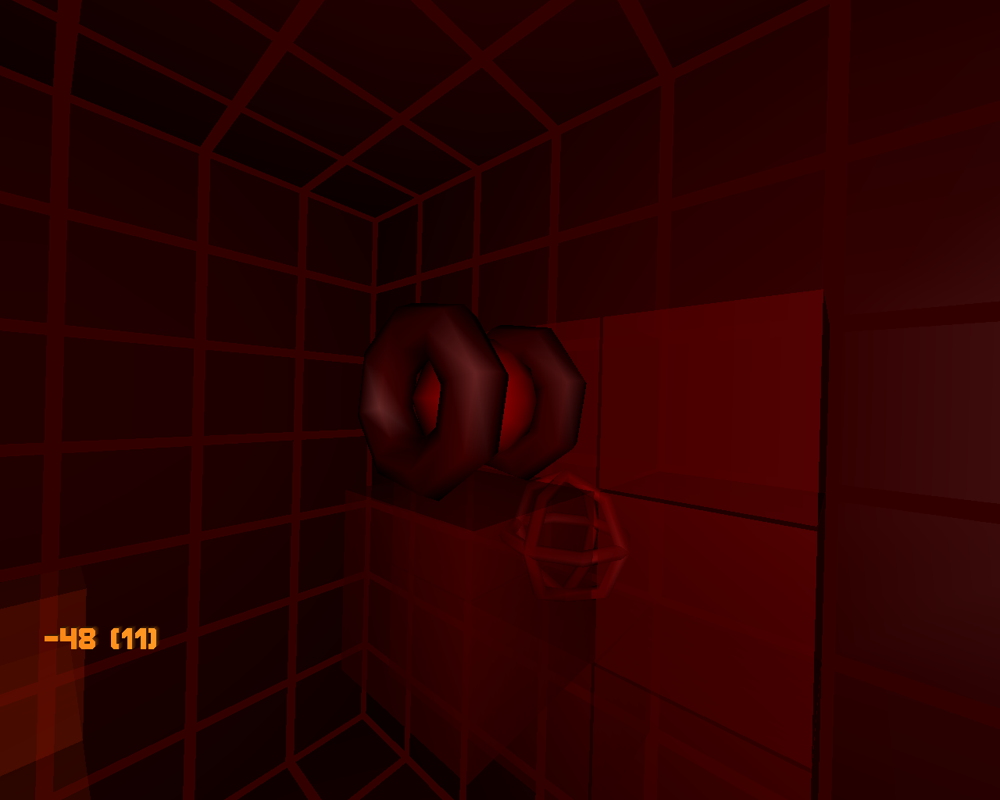
The game uses 3D mechanical rooms viewed from behind Kiki, with the little robot rolling across the available surfaces. That viewpoint makes its gravity changes easy to appreciate: floors, walls, and ceilings all become part of the same navigable space, while portals, switches, blocks, platforms, and gears give each room a clear set of objects to inspect.
Story
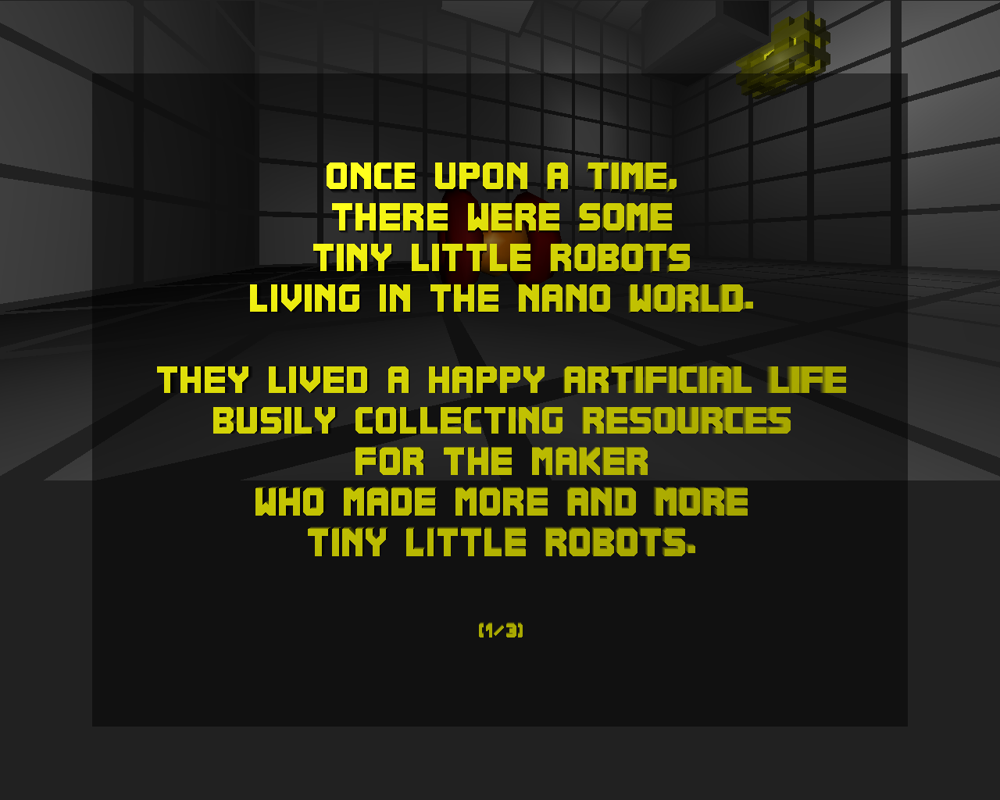
The story is lean, but it gives the puzzles a sensible destination. A parasitic component has incapacitated the Maker device in the Nanoworld, and Kiki is the only machine still fully functional. Your trip through the device’s mechanisms is therefore a repair job rather than a string of disconnected abstract rooms.
That setup suits the game because it does not overburden the puzzle solving. Machines, generators, power, and connected gears all naturally belong in a quest to restore a broken system. The premise helps the rooms feel like parts of one malfunctioning place without pulling attention away from working out the next route.
Do not come for a character-heavy adventure. Kiki’s role is direct and functional: navigate the Nanoworld, reactivate what has failed, and fix the Maker. For a puzzle game, that light touch is enough; it gives your progress context without slowing the momentum between levels.
Overall Experience
Kiki the Nano Bot earns its place through one strong idea executed with purpose. The ability to change gravity by rolling onto a new surface makes you reconsider the shape of a room in a way ordinary Sokoban-style puzzles rarely do. It is immediately understandable, but its consequences grow as switches, obstacles, blocks, jumps, and machinery begin sharing the same space.
Its action elements are modest, and that is a strength. Shooting is there to activate and clear the way, not to turn careful spatial puzzles into combat. The game knows where its fun comes from: the pause before a move, the scan for a usable wall or ceiling, and the relief when an unlikely route becomes obvious.
Give it a chance if you like compact brain-teasers with a tactile 3D hook and do not mind stopping to rethink a room from scratch. The payoff is the steady feeling of learning to see its spaces differently. Some puzzles will make you feel turned around before they make sense, but conquering that disorientation is exactly what makes Kiki memorable.


Reviews
There are no reviews yet.