 Retro Replay Retro Gaming History, Reviews & Emulation
Retro Replay Review
Gameplay
The first hour lands in a comfortable hidden-object rhythm. You enter a location, inspect the scenery from a first-person view, uncover useful objects, and start testing what in your inventory might solve the next problem. If you like the satisfying little chain reaction of finding a tool, using it on a hotspot, and opening another path, Post Scriptum knows exactly what you came for.
It has more going on than simply clearing lists of objects. Hidden-object scenes feed items back into the larger adventure, and you drag them from the inventory along the bottom of the screen onto interactive parts of the environment. That structure makes the searches feel like steps toward a purpose rather than isolated rounds. The separate puzzles also help: manipulating mechanisms, reassembling train tickets, and opening safes offer a welcome change of pace when you need a break from scanning crowded scenes.
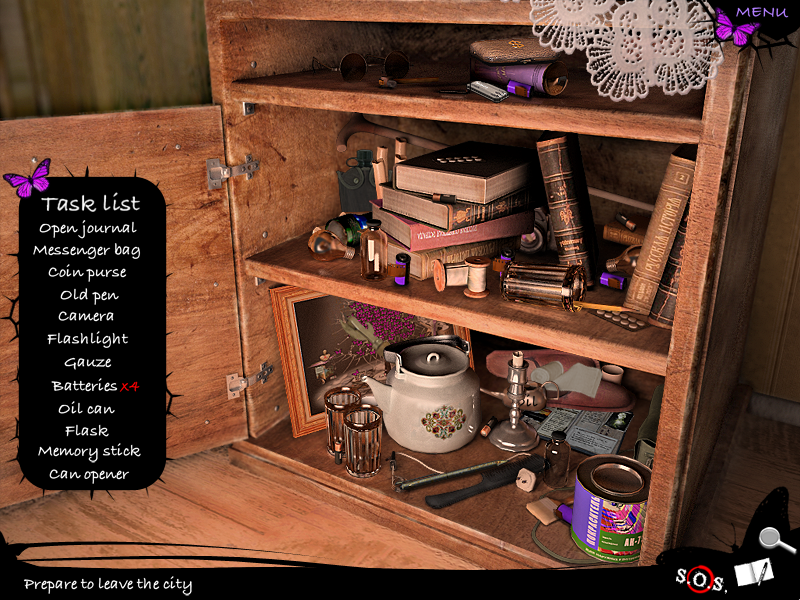
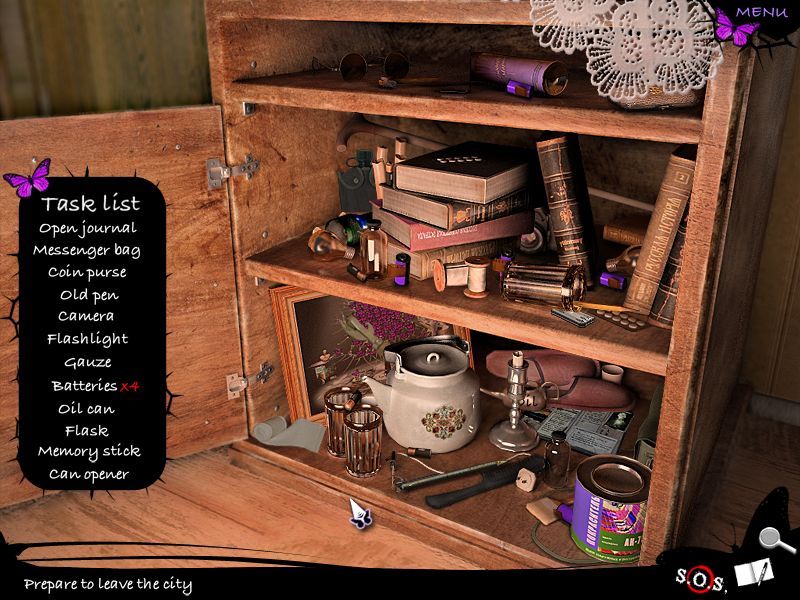
The object hunts can still become a test of patience. Scenes are packed with assorted clutter, so tiny targets can hide in plain sight. The magnifying glass is a sensible answer, enlarging parts of the screen when you need to comb through the mess, while the S.O.S. hint points out an item but then makes you wait sixty seconds before using it again. Pink butterflies offer extra hints, which rewards thorough searching without making the game completely hands-off.
The travel interludes are the weakest wrinkle. They borrow the multiple-choice format of old gamebooks, but all options lead to the same outcome. That means they work as a bit of story dressing rather than meaningful decision-making. Don’t spend time agonizing over a selection; pick what sounds right and move on to the puzzles that actually matter.
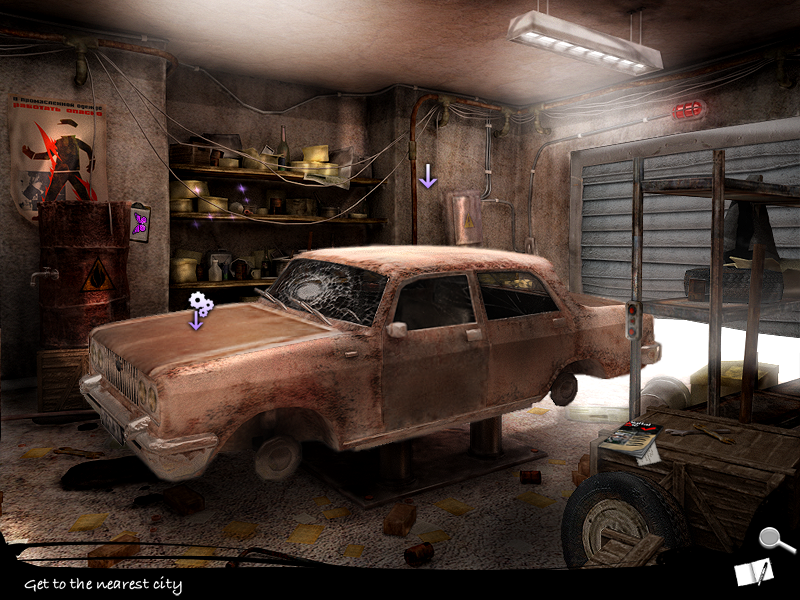
Graphics
The game keeps you close to its locations through a first-person viewpoint, with interactive hotspots embedded in the scenery and a bottom-screen inventory for the tools you collect. Hidden-object challenges shift to separate, cluttered screens full of scattered paraphernalia, where the magnifying glass is particularly useful for spotting small items.

Story
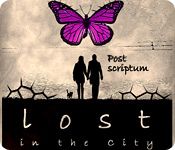
This sequel starts with a useful sense of unfinished business. The protagonist and Ann have survived their earlier ordeal and are finally free of the ancient sphere that reveals the future, with escape from the cursed town and a return to the world of the living in sight. Then mysterious events split the couple apart, putting the supernatural threat back on the table.
That setup is pulpy rather than subtle, but it suits the genre. You are not here for a delicate character study; you are here because a cursed city, dark forces, and a separated couple give every locked container and strange device a bit of urgency. The story’s job is to keep you moving from scene to scene, and it does that cleanly.
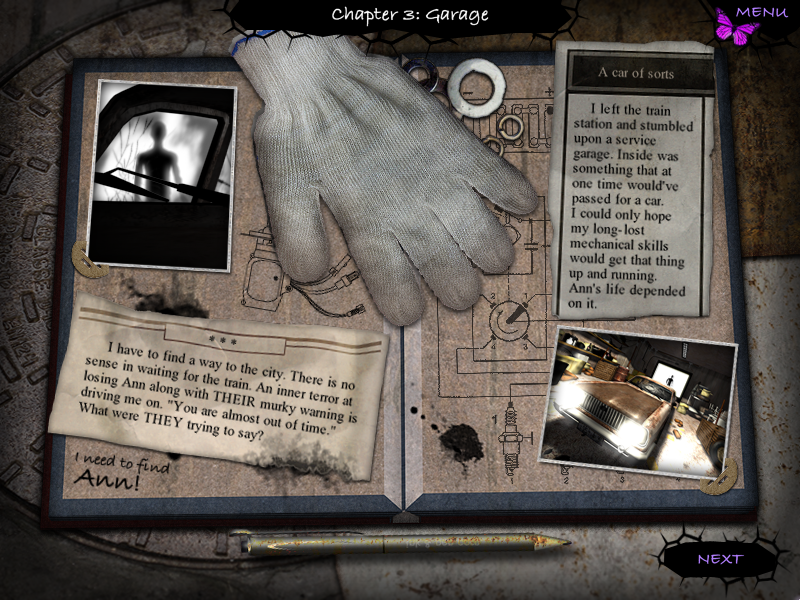
The gamebook-style travel choices briefly suggest that your route may shape the rescue, yet their fixed outcome removes real tension from those moments. The stronger storytelling comes from the ongoing goal: find Ann, get out, and push back against whatever still has the town in its grip.
Overall Experience
Lost in the City: Post Scriptum is a dependable hidden-object adventure that earns its time through variety. Inventory puzzles and self-contained challenges keep the core searches from becoming too monotonous, while the hint tools offer help without instantly flattening every difficult scene.
Its limitations are easy to spot. The cluttered searches can frustrate you when an item is particularly small, and the travel choices are cosmetic rather than consequential. But neither problem derails the game if you enjoy this style of puzzle adventure and accept that the real decisions happen in how you read a scene and apply your inventory.
Give it a chance if you want a supernatural hidden-object game with an active puzzle layer and a clear rescue-driven story. Skip it if you need branching consequences from every dialogue-like choice or have no patience for hunting through crowded screens. For everyone in between, it is a modest, engaging detour through a cursed town.



Reviews
There are no reviews yet.