 Retro Replay Retro Replay gaming reviews, news, emulation, geek stuff and more!


Retro Replay Review
Gameplay
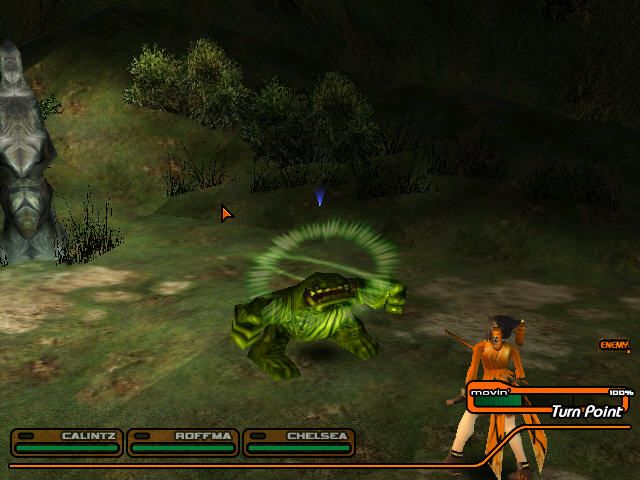
Magna Carta: The Phantom of Avalanche adopts a turn-based combat system that marries classic JRPG sensibilities with a few modern twists. Battles trigger via random encounters, and each participant—friend or foe—takes actions according to a pool of turn points (TP) allotted every round. This TP-based approach adds a strategic layer: you must decide whether to spend your points on movement, standard attacks, spells, or more elaborate combination techniques.
(HEY YOU!! We hope you enjoy! We try not to run ads. So basically, this is a very expensive hobby running this site. Please consider joining us for updates, forums, and more. Network w/ us to make some cash or friends while retro gaming, and you can win some free retro games for posting. Okay, carry on 👍)
The confined battlefields allow characters to reposition tactically. Moving closer to an enemy might let you unleash a powerful melee combo, while retreating can give spellcasters the space to cast area-of-effect attacks. Combat animations are fluid, and executing rhythmic button presses to string together special combos feels rewarding. It takes some time to get used to the timing window, but mastering these sequences transforms ordinary battles into high-octane encounters.
Beyond immediate skirmishes lies the Carta system, which functions like a hybrid between materia and skill trees. Defeating monsters grants Carta points tied to elemental “glyphs” rendered in Chinese characters. You can freely allocate these points across character attributes—boosting range, enhancing defense, or unlocking elemental spells. This flexibility encourages experimentation; one session you might build a glass-cannon fire mage, and the next you’ll field a stalwart ice-defender.
While the combat framework is engaging, there are occasional balance quirks. Certain Carta affinities can feel overpowered late-game, and some boss encounters require tedious grinding if your party isn’t properly optimized. Still, the depth offered by the TP management and the Carta distribution makes every fight feel meaningful, ensuring that veteran RPG fans and newcomers alike will find moments of true tactical satisfaction.
Graphics
Magna Carta sports a distinctly Korean art style influenced heavily by Japanese anime aesthetics. Character designs are sharp and memorable—Calintz’s imposing armor and flowing cape stand out against the backdrop of Shudelmir’s ornate architecture. Cutscenes feature hand-painted backgrounds and dynamic camera movements, often lending a cinematic flair to pivotal story moments.
In-game environments range from bustling city streets to mist-shrouded forests, each rendered with rich textures and vibrant color palettes. Though the world map can feel somewhat segmented, each locale is meticulously detailed. Creature designs, especially the grotesque monsters that give Calintz his “Phantom of Avalanche” moniker, are imaginative and sometimes unsettling, adding to the game’s dark fantasy tone.
Character animations during battle are smooth, with distinctive poses for each ability. Spell effects are particularly eye-catching: swirling glyphs and elemental blasts light up the battlefield in vivid hues. That said, loading pop-ins are noticeable when transitioning between areas, and distant objects occasionally snap into view. These occasional technical hiccups don’t ruin the experience but can pull you out of the immersion momentarily.
Overall, the graphical presentation strikes a good balance between stylized artistry and technical polish. While it may not rival blockbuster RPGs on the latest hardware, its unique visual identity ensures that Magna Carta leaves a lasting impression on anyone exploring the political intrigue of Shudelmir.
Story
At its heart, Magna Carta: The Phantom of Avalanche weaves a narrative of personal conflict against a backdrop of political upheaval. Calintz, adopted son of King Helios and famed hero of the monster wars, returns to Shudelmir only to find a fractured realm. A controversial new emperor has seized the throne, alienating many who once held him in esteem.
Into this turbulent arena steps Vermillion, a shadowy faction determined to topple the emperor’s regime. Meanwhile, the fallen princess Juclecia schemes to reclaim her birthright, enlisting uneasy allies and stoking fears of civil war. Caught between memories of a tragic past and his duty to the crown, Calintz reluctantly accepts leadership of the 7th Squad—a decision that propels him into the heart of deception and betrayal.
The story unfolds through a series of dramatic cutscenes, interspersed with in-battle dialogues that highlight shifting alliances. Themes of loyalty, sacrifice, and forbidden romance emerge as characters’ motivations come into focus. Some narrative beats feel predictable—royal conspiracies and rebel uprisings are staples of the genre—but strong character development elevates familiar tropes.
One of the game’s greatest strengths is its ability to juggle multiple plot threads without losing cohesion. Whether you’re unmasking a traitor in the imperial court or confronting your own ghosts on a monster-ravaged battlefield, the stakes continually escalate. By the time the final act arrives, the emotional payoff feels earned, leaving players invested in the fates of both Calintz and the kingdom he’s sworn to protect.
Overall Experience
Magna Carta: The Phantom of Avalanche delivers an engaging blend of strategic combat, lush visuals, and a politically charged storyline. Its TP-based battles and Carta customization system offer deep tactical options, ensuring that every encounter challenges you to think several steps ahead. While occasional balance issues arise, they do little to overshadow the overall enjoyment of mastering the game’s mechanics.
The narrative, though rooted in familiar fantasy conventions, distinguishes itself through strong character arcs and a web of intrigue that keeps you guessing. Calintz’s journey from celebrated hero to reluctant leader is compelling, and the supporting cast adds layers of tension and humor throughout the adventure. Music and sound design, featuring sweeping orchestral themes and atmospheric effects, further enhance the immersive qualities of Shudelmir.
On the technical side, minor graphical pop-ins and loading pauses are balanced by well-crafted environments and polished battle animations. The user interface is intuitive, with clear indicators for TP, Carta allocations, and combo inputs. Newcomers to the genre may face a learning curve when it comes to timing rhythm-based attacks, but the game’s generous tutorials ease the process.
In sum, Magna Carta: The Phantom of Avalanche stands out as a thoughtfully designed RPG that harmonizes combat depth, artistic flair, and engaging storytelling. Potential buyers looking for a challenging yet rewarding experience in a richly imagined world will find much to love in this Korean gem with a distinctly Japanese heart.


Reviews
There are no reviews yet.