 Retro Replay Retro Gaming History, Reviews & Emulation


Retro Replay Review
Gameplay
The first hour has the easy momentum that good hidden-object adventures need. You arrive at the mansion with a clear rescue job, then start finding keys, tools, and puzzle pieces that open the next obstruction. That familiar loop is simple, but it works because every solved task feels like you have pushed a little farther into Dr. Void’s house.
Most interactions come down to collecting items and dragging them from the retractable inventory tray onto the right part of a scene. The tray sliding away when you are not using it is a small but welcome touch, leaving more of the room visible while you search. Some objects require parts gathered across multiple locations, which gives revisiting old rooms a purpose instead of making it feel entirely like busywork.
The separate hidden-object scenes are the game’s most traditional side: you scan a crowded screen for every entry on a list, then claim an important item for the wider investigation. A frog-shaped hint button can bail you out, although its recharge time stops it from becoming an instant answer key. If you hit a wall, the mini-games offer a decent change of pace, from matching paintings and rebuilding a newspaper to clock and light-bulb puzzles; importantly, you can skip them after a few minutes. That makes the game forgiving, though veterans of the genre may find the challenge a little gentle.

Graphics
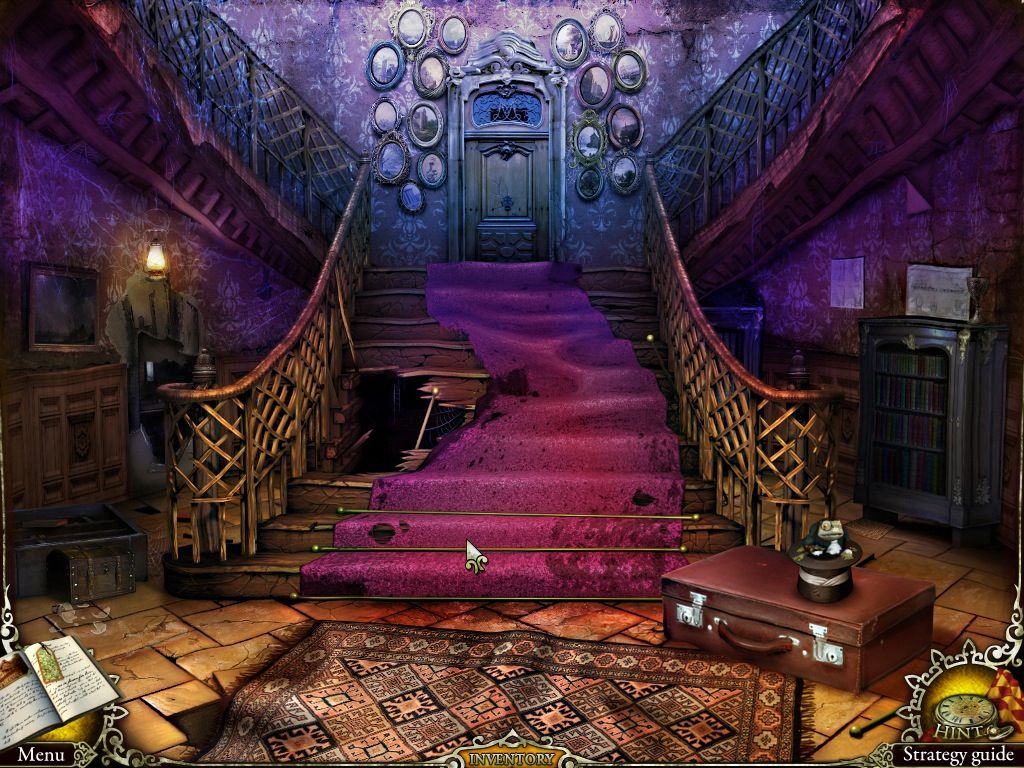
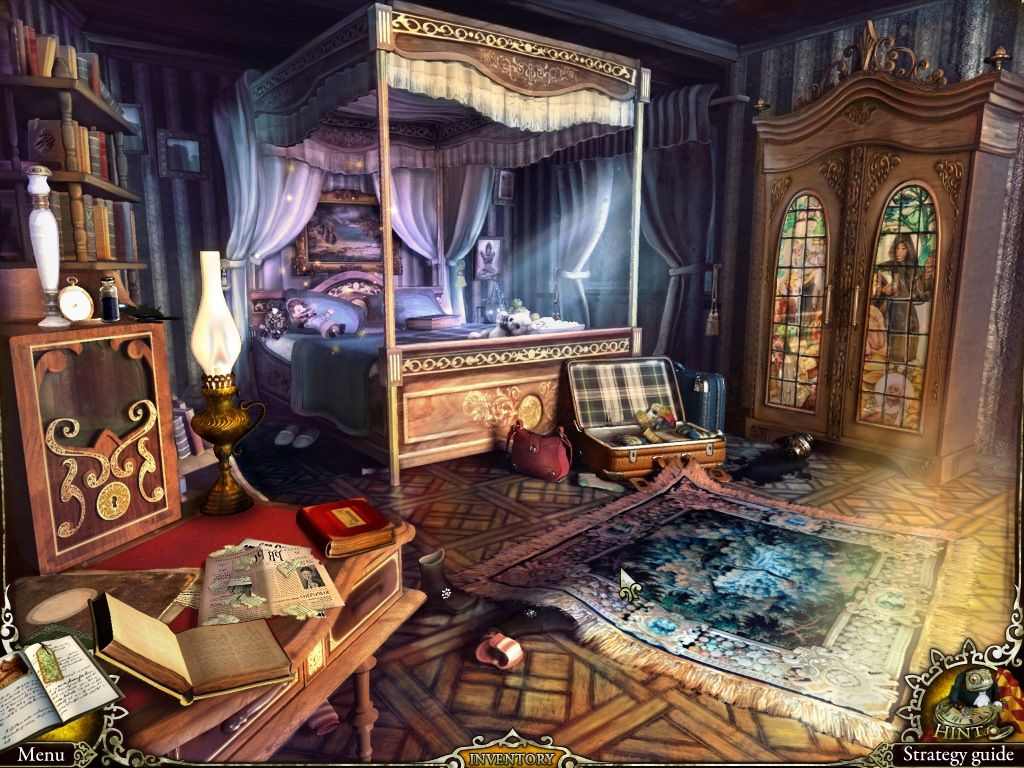
The game leans into its creepy-mansion imagery: decrepit rooms, secret spaces, and cluttered hidden-object screens give you plenty to inspect. The frog hint button is an especially playful bit of screen dressing amid all the gloomy detective business, while the separate puzzle screens keep mechanisms such as clocks, paintings, and light-bulb boards front and center.

Story
This is unabashedly old-school mystery fiction. A secret organization sends you to investigate an abandoned manor, three public figures are missing, and a mad scientist may be behind it all. You do not come here for subtle character drama; you come for the enjoyable question of what happened to Rebecca Thatcher, Kevin Sting, and Jerald Springs behind those locked doors.
Dr. Malleus Void is a knowingly melodramatic name, and that suits the material. The premise gives ordinary item hunts a useful frame: every strange device or newly opened route can feel like another piece of a dangerous experiment. The celebrity victims also give the search a concrete goal rather than leaving you to solve puzzles merely because they are there.
The story’s main strength is its forward motion. Each puzzle stands between you and another lead, another room, or one of the people you came to save. If you enjoy spooky mansion mysteries delivered in bite-size discoveries, that is enough to carry the experience.
Overall Experience
Mystery Trackers: The Void knows exactly what kind of evening it wants to fill: a relaxed stretch of searching, combining objects, and cracking odd little contraptions inside a creepy house. Its point-and-click adventure borrowing gives the hunt-and-use loop more direction than a string of isolated object lists.
Frustration can creep in when an interactive object or a scattered component is proving elusive, especially if you want to solve everything without help. Still, the recharging hint and the ability to skip mini-games prevent a single stubborn screen from derailing the whole case. That accessibility is a real asset for anyone who wants the mystery’s momentum more than a hard puzzle-game test.
Give it a chance if the idea of rummaging through a mad scientist’s manor to rescue missing celebrities sounds like a pleasant kind of nonsense. It is not trying to reinvent hidden-object adventures, but it delivers a coherent, spooky investigation with enough inventory puzzling and mini-game variety to make the rescue feel earned.


Reviews
There are no reviews yet.