 Retro Replay Retro Replay gaming reviews, news, emulation, geek stuff and more!
Retro Replay Review
Gameplay
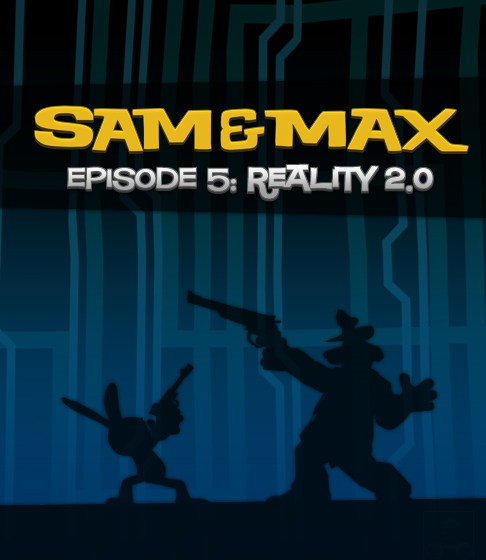
Sam & Max: Episode 5 – Reality 2.0 retains the classic point-and-click adventure framework that fans have come to love, while injecting fresh mechanics tied to its internet setting. Players control Sam throughout the game, clicking to navigate environments, initiate conversations, examine objects, and combine inventory items. The interface remains intuitive, with the familiar cardboard-box inventory sitting at the bottom of the screen, ensuring that veteran players can jump right in without a steep learning curve.
(HEY YOU!! We hope you enjoy! We try not to run ads. So basically, this is a very expensive hobby running this site. Please consider joining us for updates, forums, and more. Network w/ us to make some cash or friends while retro gaming, and you can win some free retro games for posting. Okay, carry on 👍)
Where Reality 2.0 shines is in its dual-world puzzles. Sam and Max must shuttle between the physical world and the bizarre, digital recreation of it. Actions taken in one realm have immediate consequences in the other—flip a switch in the real world and see a firewall crumble in the virtual, for example. These cause-and-effect scenarios are cleverly designed, forcing players to think across two planes of existence and broadening the challenge beyond conventional inventory combining.
The difficulty curve is well balanced: earlier puzzles ease you into toggling between realities, while later conundrums demand precise timing and creative item use. There’s no dead-end design here—every puzzle has clear logic once you spot the clues, so even if you get stuck, you’re never frustrated for long. If you’re the type to rage-quit, the built-in hint system (accessed through a meta in-game device) offers gentle nudges without spoiling the entire solution.
Mouse responsiveness and navigation feel as tight as ever. Sam’s movements are snappy, and the camera angles adapt smoothly as you explore the digital landscapes. There are no awkward blind spots or pixel-hunt nightmares, which is a testament to Telltale’s dedication to polish. Overall, the gameplay loop of exploring, puzzle-solving, and quipping remains as addictive in Reality 2.0 as it was in earlier episodes.
Graphics
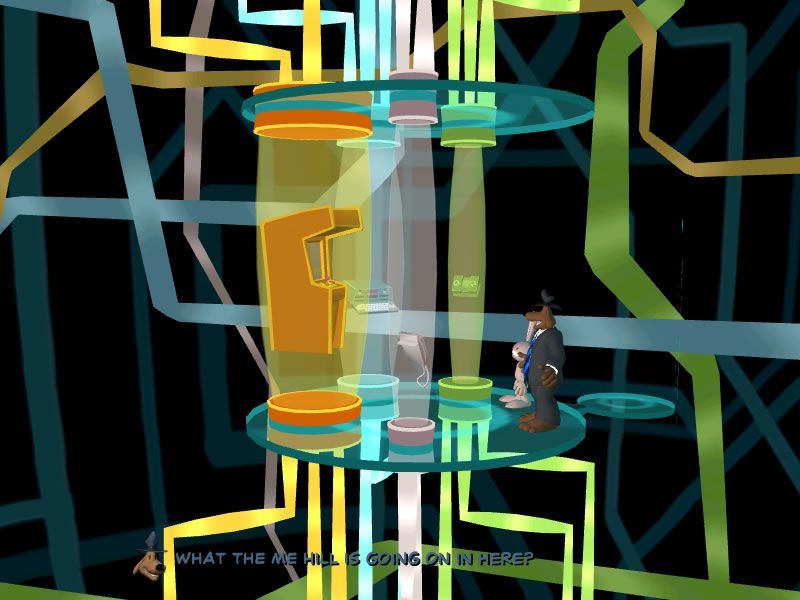
Reality 2.0 marks the series’ boldest leap in visual style, moving fully into 3D while maintaining its signature cartoonish charm. Character models for Sam, Max, and supporting cast are expressive, with exaggerated features that serve the comedic tone. Animations range from subtle eyebrow twitches to full-blown slapstick moments, and the framerate stays steadfast even when the screen is crowded with digital effects.
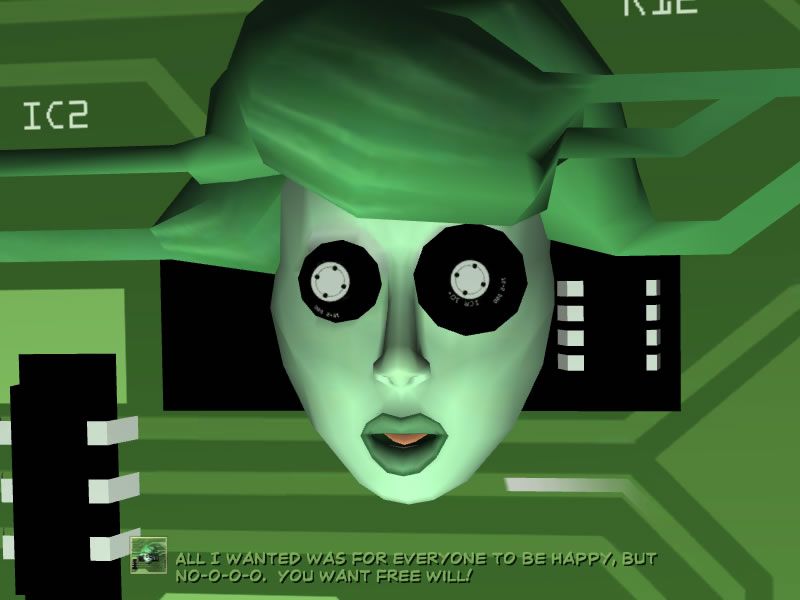
The true star, however, is the virtual world itself. Telltale engineers have crafted a kaleidoscopic vision of cyberspace, where data streams swirl like neon rivers and pixelated billboards flash absurd ads. Environments flicker in and out of focus as you traverse firewalls and data nodes, giving that “you’re really inside the machine” feel. The color palette shifts dramatically between the bland offices of Sybil’s beta testing and the hyper-saturated vistas of “Reality 2.0,” enhancing the sense of dislocation.
Lighting and particle effects add extra flair to puzzle sequences—sparks fly when a firewall blows, and glowing digital tendrils writhe as you interact with corrupted code. Despite the visual spectacle, the UI remains unobtrusive. Inventory icons are clear, and dialogue subtitles are crisp against the background action. On higher settings, subtle bloom and motion blur polish off the presentation without obscuring gameplay.
Even if you’re not typically wowed by graphics, the artistic direction here complements the humor and the story perfectly. Every area is packed with Easter eggs referencing internet culture and vintage computing, rewarding observant players. The synergy between form and function elevates Reality 2.0 beyond “just another adventure game” and into a vivid, living digital playground.
Story
Episode 5 continues Sam & Max’s season‐long narrative, picking up with Sybil trapped inside the Internet due to her latest gig as a beta tester. The plot cleverly incorporates the mechanics—wacky goggles allow our heroes to jump into the digital realm, setting the stage for a string of computer-themed gags. From “404 Error” punchlines to pithy observations about social media influencers, the script is bursting with timely jokes that never feel forced.
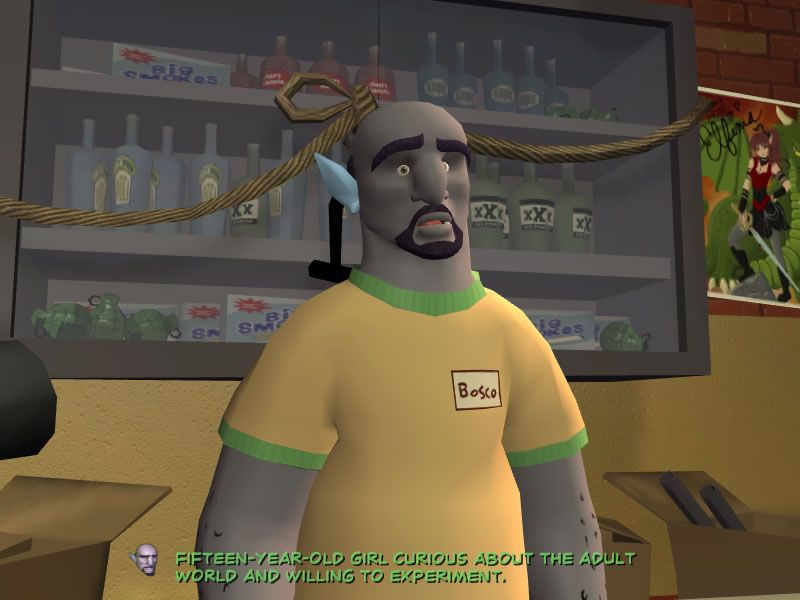
As Sam and Max race to reclaim Sybil, they cross paths with Bosco, now reimagined as a half-elf arms dealer peddling a virulent bio-weapon called Boscotech. The juxtaposition of medieval fantasy tropes with cutting-edge virology is absurdly hilarious, and the money-laundering subplot that follows adds layers of satire about corporate greed and online anonymity. Dialogue is razor‐sharp throughout, with witty back-and-forths that preserve the franchise’s irreverent spirit.
The seductive female voice that haunts the virtual world casts an air of mystery—she may be the Internet’s embodiment or something far more sinister. Her attempts to lure the duo into the network’s depths stoke genuine curiosity, and the looming question of “what happens if the entire Internet plots against humanity” lends an unexpected emotional weight. This culminates in a delightful meta-twist: to win back the net’s “respect,” Sam and Max fire up a classic text adventure and literally speak the language of the archaic medium.
By the episode’s end, loose ends tie back into the season arc, teasing future revelations without resorting to contrived cliffhangers. The pacing strikes the perfect balance between story progression and punch-line delivery, ensuring neither jokes nor plot beats overstay their welcome. For returning fans, it feels like a triumphant continuation, while newcomers can still appreciate the self‐contained absurdity.
Overall Experience
Sam & Max: Episode 5 – Reality 2.0 stands out as one of the most imaginative installments in the series. It leans heavily into its internet theme without sacrificing the core whimsy that defines the franchise. Whether you’re marveling at the digitally distorted environments or chuckling at Bosco’s ludicrous bargaining demands, there’s a constant sense of playful inventiveness.
The episode runs about two to three hours depending on puzzle speed, striking a satisfying length that feels neither too short nor padded. If you linger to explore every corner of the virtual realm and parse every pun, you’ll easily squeeze extra playtime out of it. Replay value comes from replaying your favorite dialogue sequences, uncovering hidden jokes, and experimenting with alternative puzzle solutions for fun.
Audio design deserves praise as well: superb voice acting, ambient electronic soundscapes, and a jaunty musical score that seamlessly transitions from noir-style detective motifs to glitchy techno riffs. These elements heighten immersion and accentuate comedic timing, making each scene feel vibrant and dynamic.
In summary, Reality 2.0 offers a comedic tour de force wrapped in a smart, dual-reality puzzle adventure. It’s a must-play for point-and-click aficionados and series devotees, and it serves as an exceptional showcase of Telltale’s narrative and design prowess. If you’ve been following Sam & Max’s digital escapades, this episode is a triumphant high point you won’t want to miss.



Reviews
There are no reviews yet.