 Retro Replay Retro Replay gaming reviews, news, emulation, geek stuff and more!



Retro Replay Review
Gameplay
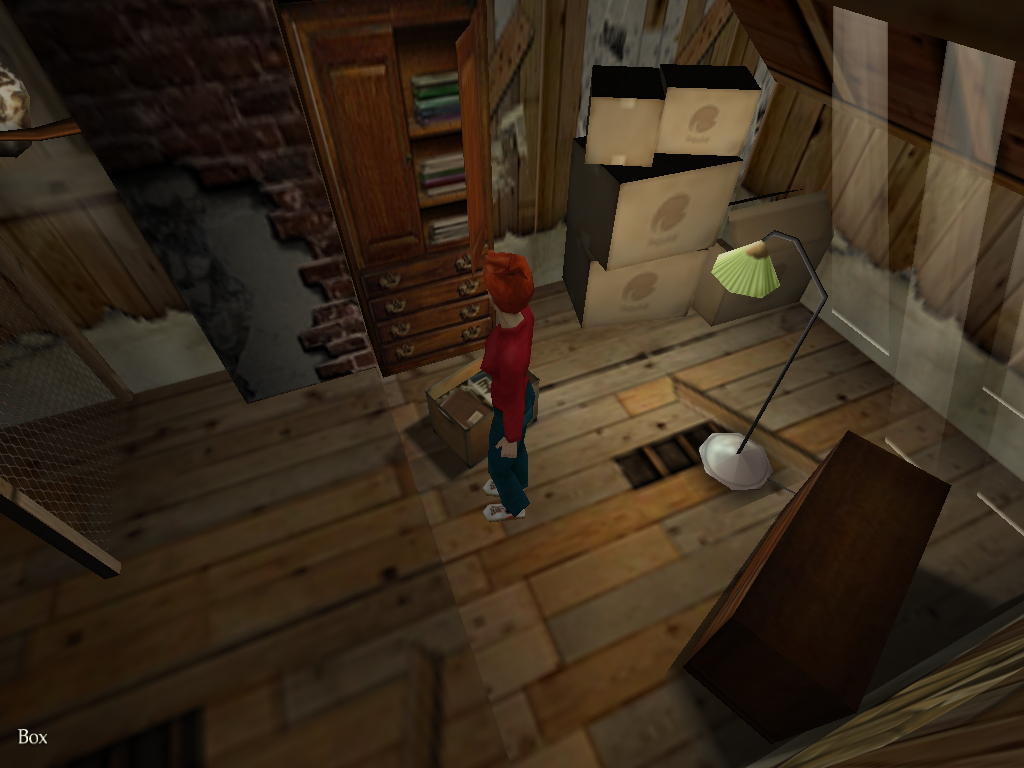
The Diamond Mystery of Rosemond Valley is a third-person detective adventure that puts the emphasis on following a case rather than action. Emma’s work at the Rosemond Valley Post provides a grounded starting point, then the investigation broadens through the unresolved museum jewel robbery, Kit Grace’s concealed history, and the secrets held by several potential suspects.
(HEY! We try not to run ads. So this is a very expensive hobby. Please consider signing up for updates, visiting our forums, or just commenting on something you think is cool.👍)
Exploration takes place in a 3D game world controlled with the arrow keys. That is a straightforward fit for a turn-of-the-century adventure, but it also makes the game’s navigation feel more traditional than streamlined. The travel map is therefore an important convenience, helping keep the focus on the investigation’s locations rather than treating movement alone as the central challenge.
The notebook is another welcome detective-game staple, particularly because the mystery involves old crimes, false names, multiple suspects, and accumulating revelations. Players who enjoy methodically tracking a layered case will get more from its seven chapters than those looking for fast pacing or flexible modern conveniences. Sixteen save slots are adequate but restrictive, and the lack of settings options is a notable limitation.
Graphics
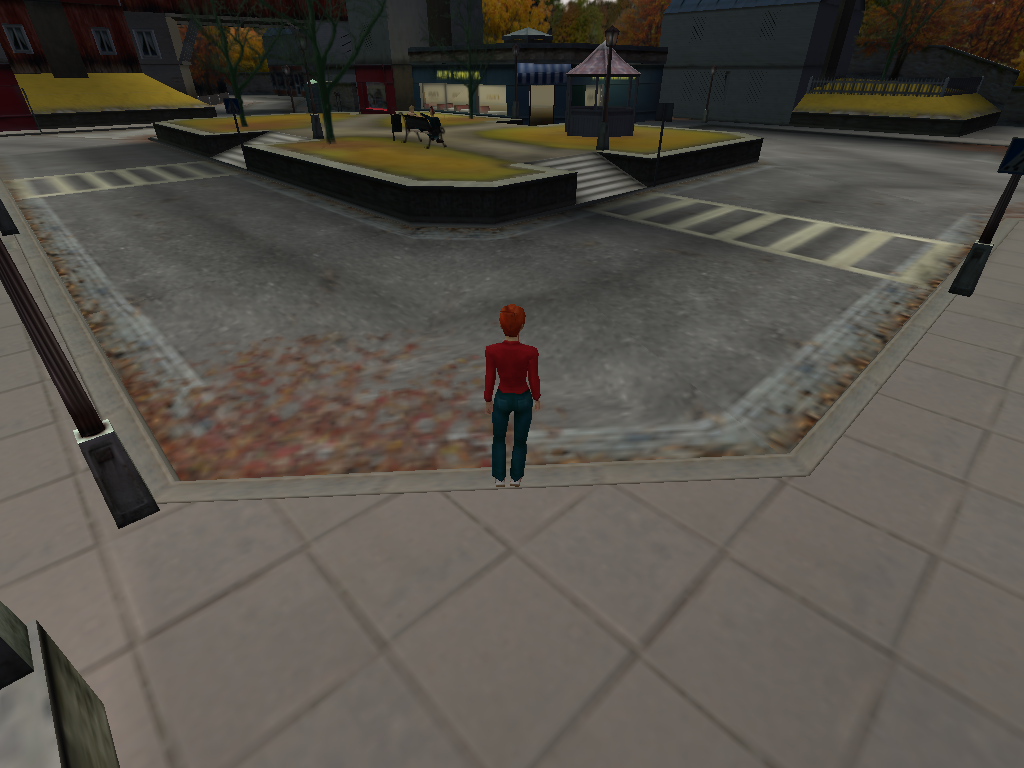
The game presents Rosemond Valley through a 3D third-person perspective, giving the investigation a sense of place beyond a sequence of static scenes. Its setting is well chosen for a mystery: a local newspaper, the Grand Hotel, a museum robbery from twenty years earlier, and a town full of people with possible reasons to conceal the truth all support an atmosphere of close-knit suspicion.
Its presentation is more functional than lavish. The 3D world exists to carry Emma between leads and suspects, and the game’s appeal rests more on how those spaces serve the case than on visual spectacle. Readers should approach it as a period adventure presentation rather than expect extensive graphical customization or technical polish.
Music, sound effects, and voiced dialogue help give the investigation a fuller audiovisual frame. Every voiced line is captioned, which is a meaningful accessibility benefit and ensures the case’s information is available in text. The dialogue cannot be skipped, however, so the presentation can slow down players who prefer to move quickly through repeated exchanges or lengthy scenes.
Story
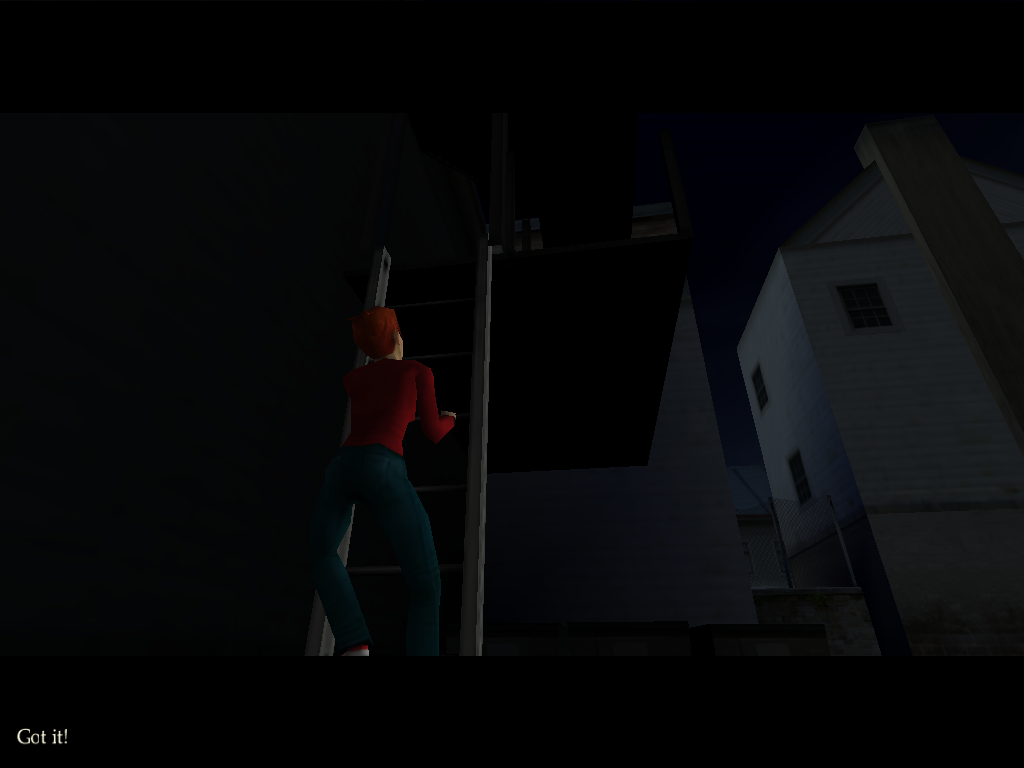
The strongest hook is the way Emma’s modest research assignment turns into a personal investigation. She begins by looking into actress Kit Grace, only to learn that Kit’s public name conceals a connection to Rosemond Valley. That discovery dovetails neatly with the old diamond theft, whose convicted museum janitor never yielded the missing jewels.
The central case has several durable mystery ingredients: a vanished arresting officer, a stranger leaving notes about the robbery, a celebrity with an obscured past, and suspicion extending to Emma’s own co-workers. These threads give the plot a useful sense of escalation, moving from biography research toward a broader effort to determine who is hiding what and why.
Emma is a fitting lead for this kind of story because she enters the case as a young employee rather than an established detective. Her position gives the plot an investigative, small-town newspaper angle, while the questions around Kit Grace and the robbery supply the larger intrigue. The premise should particularly suit players who prefer secrets, alibis, and suspect-driven revelations to supernatural horror or action-focused detective work.
Overall Experience
The Diamond Mystery of Rosemond Valley is a compact, story-first mystery adventure with a clear audience: players who enjoy slowly assembling the truth behind an old crime. Its seven-chapter structure, notebook, travel map, voiced scenes, and captioning provide the necessary framework for a focused investigation.
Its age is apparent in the interface and feature set. Arrow-key movement, unskippable voiced dialogue, limited saves, and no settings menu make it less accommodating than later adventure games. Those constraints are most likely to frustrate players who value granular control over dialogue speed, audiovisual preferences, and saving habits.
Even so, the setup has genuine genre appeal. A missing cache of jewels, a wrongly or at least questionably implicated janitor, a disappeared captain, and an actress with buried local ties give Emma a satisfying web of leads to pursue. Go in for the case and its small-town secrets rather than technical flexibility, and Rosemond Valley offers a serviceable detective tale with a solid investigative foundation.


Reviews
There are no reviews yet.