 Retro Replay Retro Replay gaming reviews, news, emulation, geek stuff and more!


Retro Replay Review
Gameplay
The Exchange Student: Episode 2 – Point Club builds on its predecessor’s point-and-click framework with a polished, mouse-controlled verb coin system that feels intuitive from the very first interaction. Each action—whether it’s “look,” “use,” “talk,” or “push”—is represented by a coin icon that hovers elegantly around your cursor, allowing for quick selection without delving into cumbersome menus. This streamlined interface reduces downtime and keeps the player immersed in Emilio’s quirky Swedish exploits.
(HEY YOU!! We hope you enjoy! We try not to run ads. So basically, this is a very expensive hobby running this site. Please consider joining us for updates, forums, and more. Network w/ us to make some cash or friends while retro gaming, and you can win some free retro games for posting. Okay, carry on 👍)
Puzzles range from classic inventory combinations to multi-step hijinks, including the memorable prank Emilio must pull off to earn his place among Pedro and Miguel’s notorious point game. While some challenges can feel straightforward, the game punctuates its logic hurdles with amusing environmental clues—found in posters, overheard conversations, or subtle details in reused scenery from the previous episode. For those moments when you’re truly stuck, the built-in “Hints & Tips” section offers tiered nudges that guide you without outright spoiling solutions.
Lengthwise, Point Club comfortably exceeds the runtime of Episode 1, offering multiple locations—from dingy dorm rooms to the neon-lit entrance of the titular club—and plenty of side activities like bike scavenger hunts and dialogue trees that reveal character backstories. Collectibles and hidden gags pepper each screen, rewarding curious players who click every hotspot. Even seasoned adventure fans will appreciate the balanced pacing: puzzles that make you think, light-hearted banter to keep the tone breezy, and new mechanics—like sneak sequences—that inject fresh variety into the formula.
Graphics
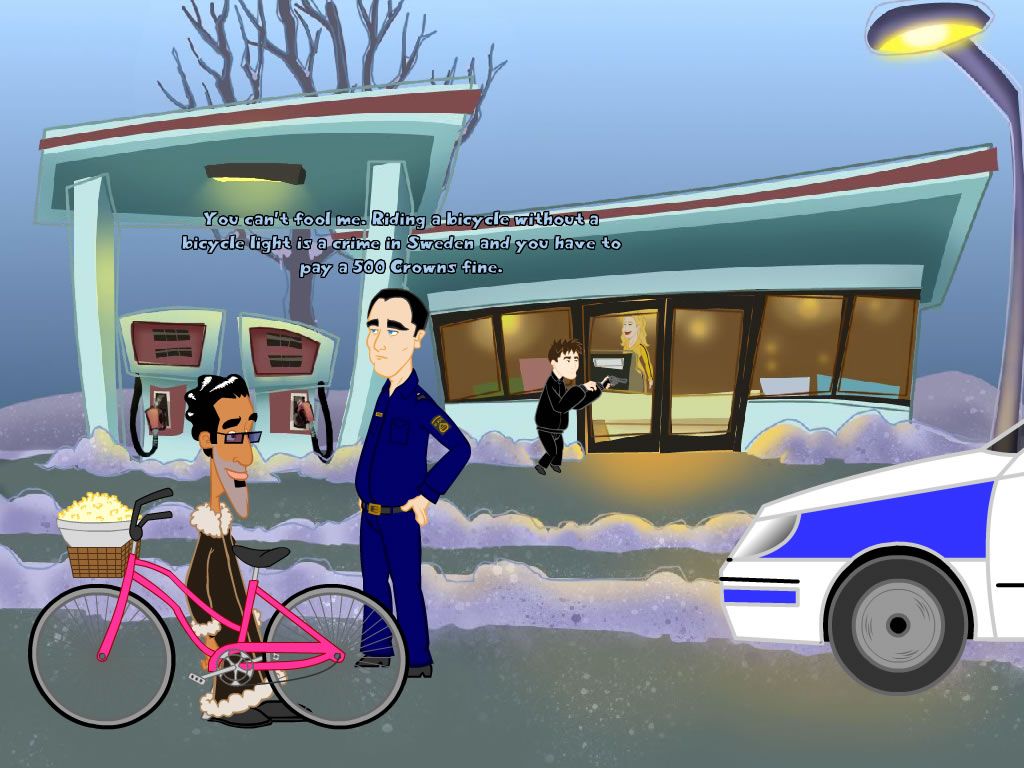
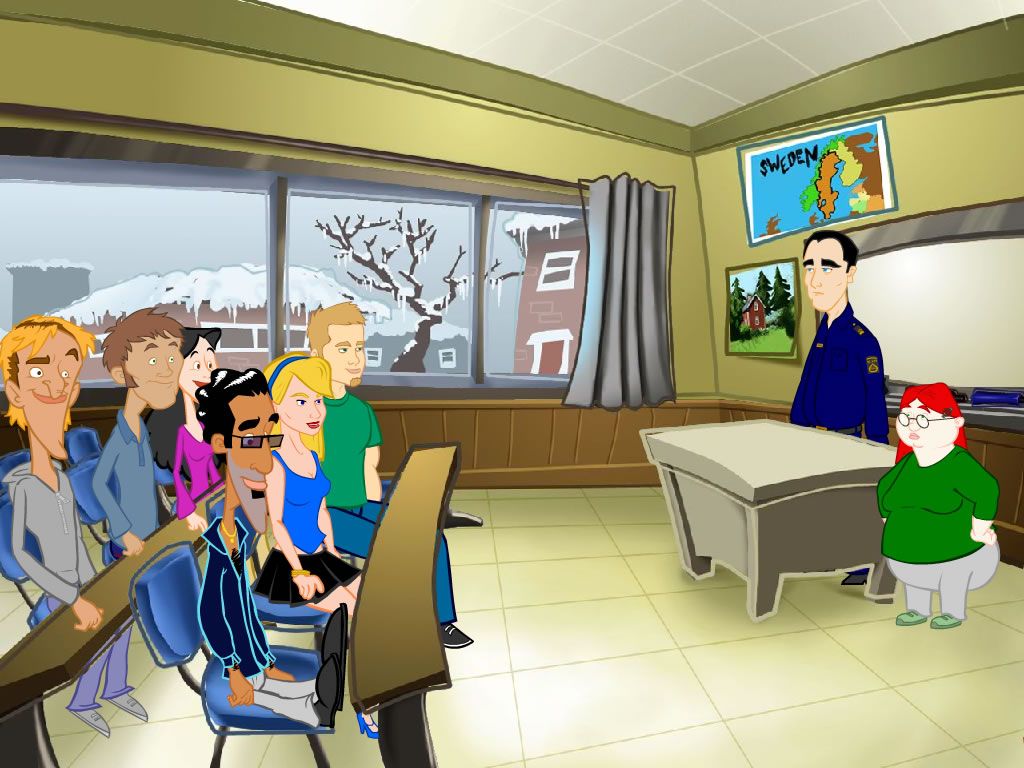
Visually, Point Club retains the charming, hand-drawn style established in the first episode, while enhancing environments with richer color palettes and more detailed character sprites. The Swedish campus feels alive: corridors are bathed in warm tungsten light, the student union bustles with animated extras, and the club’s flashing strobe lights create an atmospheric contrast. Subtle parallax scrolling in certain backgrounds adds a layer of depth, particularly when Emilio traverses outdoor bike routes between locations.
Developers wisely reused some backgrounds from the previous installment, but they’ve been retextured or extended to avoid monotony. For instance, the main quad from Episode 1 now features seasonal foliage and new interactive objects, making revisits feel fresh rather than recycled. Character portraits during dialogue are expressive and updated to reflect mood swings—Emilio’s cocky grin or Pedro’s exasperated eyebrow raise—infusing scenes with extra personality.
Animations are smooth and often humorous: Emilio’s exaggerated stumble when he’s caught off-guard, subtle blushing effects during flirtatious exchanges, and even quick cutaways that punctuate comedic beats. While the game doesn’t push cutting-edge polygon counts, its consistent 2D artistry and attention to visual storytelling make every screen a pleasure to explore. The overall presentation strikes a perfect balance between nostalgic point-and-click aesthetics and contemporary polish.
Story
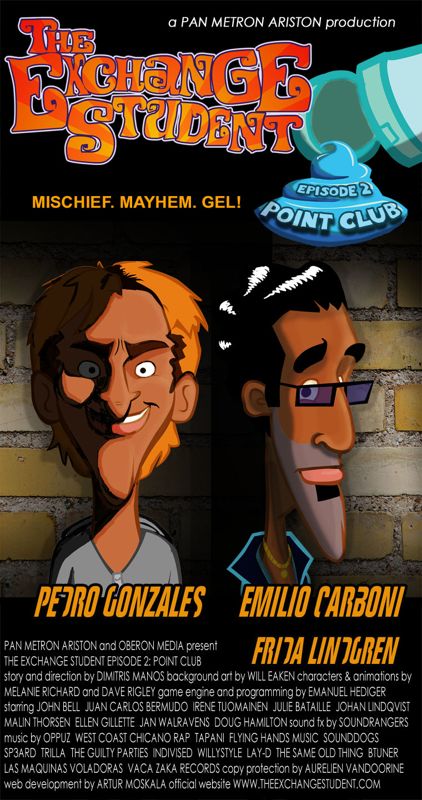
Point Club jumps right in where Episode 1 left off, giving returning players the option of a concise recap that smoothly bridges the narrative gap. Emilio Carboni, our hapless Italian exchange student, has barely had time to unpack before Spanish duo Pedro and Miguel rope him into their risqué “point game”—a contest to earn points by kissing or… much more intimate activities with as many girls as possible. It’s a premise that could feel crass, but the writing leans into lighthearted satire, playing Emilio’s cultural fish-out-of-water awkwardness for gleeful laughs rather than sleazy spectacle.
The story expands considerably beyond pranks and club escapades. Subplots involving Mathias’s elder brother and the enigmatic “Fadder” meeting lend emotional weight to Emilio’s wild surroundings, reminding us that even the most over-the-top antics have real stakes for these students. Dialogue branches reveal hidden motivations—why certain characters guard secrets, who’s quietly rooting for Emilio’s success, and which friendships might fray under competitive pressure.
Player choices rarely derail the main storyline, but they do unlock humorous variations on key scenes: a flirtatious dodgeball match, a drunken karaoke showdown, or the all-important prank execution that either solidifies Emilio’s reputation or sends him back to square one. This blend of structured narrative and optional detours creates a sense of agency without overwhelming newcomers. Fans of story-driven adventures will appreciate how each twist feels earned, even as the game remains buoyant and entertaining.
Overall Experience
The Exchange Student: Episode 2 – Point Club is a worthy successor that expands the world, deepens character relationships, and refines the mechanics that made the first game enjoyable. Its breezy humor, combined with genuinely clever puzzles and the occasional heartfelt moment, forms an engaging adventure that’s hard to put down. Whether you’re a returning player eager to see Emilio’s next misadventure or a newcomer drawn to quirky campus hijinks, this episode delivers on both gameplay and narrative fronts.
While the sexually suggestive content and prank-centric plot may not be suitable for all audiences, Point Club handles its mature themes with a tongue-in-cheek tone that never feels exploitative. The integrated hint system ensures that frustration rarely overshadows fun, and the extended runtime means you get more than just a brief diversion—you’re in for several hours of puzzle-solving, exploration, and character banter that will leave you smiling.
Ultimately, Point Club solidifies The Exchange Student series as one to watch in the indie adventure scene. It maintains a consistent art style, upgrades key gameplay elements, and tells a story that walks the line between humor and sincerity. If you’re seeking a lighthearted yet substantial point-and-click adventure, Emilio Carboni’s Swedish tour de force is an experience you won’t want to miss.



Reviews
There are no reviews yet.