 Retro Replay Retro Replay gaming reviews, news, emulation, geek stuff and more!

Retro Replay Review
Gameplay
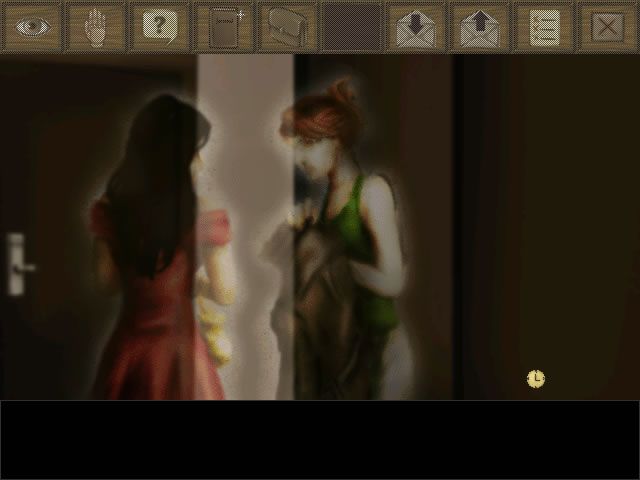
The Marionette places you directly in the shoes of Martin, guiding every step from a first-person viewpoint. Your primary tools are the mouse and an on-screen action bar that lets you examine, converse, or interact at a moment’s notice. This streamlined interface keeps controls intuitive, whether you’re inspecting a mysterious door or picking up an odd trinket that might be important later. An inventory system runs along the bottom of the screen, allowing you to store, combine, and deploy items as you see fit.
(HEY YOU!! We hope you enjoy! We try not to run ads. So basically, this is a very expensive hobby running this site. Please consider joining us for updates, forums, and more. Network w/ us to make some cash or friends while retro gaming, and you can win some free retro games for posting. Okay, carry on 👍)
Puzzles in The Marionette aren’t just stand-alone riddles; they’re woven into the very fabric of Martin’s fractured mind. As you navigate warped corridors and impossible spaces, the objects you collect and piece together unlock memory fragments in your journal. Some riddles demand creative combinations of everyday items, while others hinge on dialogue choices that affect how much of the past you reclaim. There’s a satisfying sense of discovery each time a ripped-out journal page snaps back into place.
Conversation trees play a central role in advancing the story. While interacting with Giuseppe and other enigmatic figures, your questions—and the order in which you ask them—open new paths or deepen the mystery. Death is largely off the table until a tense late-game sequence, encouraging you to explore riskier options without the fear of constant restarts. The few horror elements sprinkled throughout keep you on edge, making each creak and shadow feel full of portent.
With four distinct endings waiting to be uncovered, The Marionette rewards multiple playthroughs. Your choices matter: how you piece together the narrative, which pages you recover, and how you approach volatile encounters all factor into the final outcome. This branching structure gives the gameplay considerable replay value, encouraging you to revisit the distorted world to see every facet of Martin’s unraveling.
Graphics
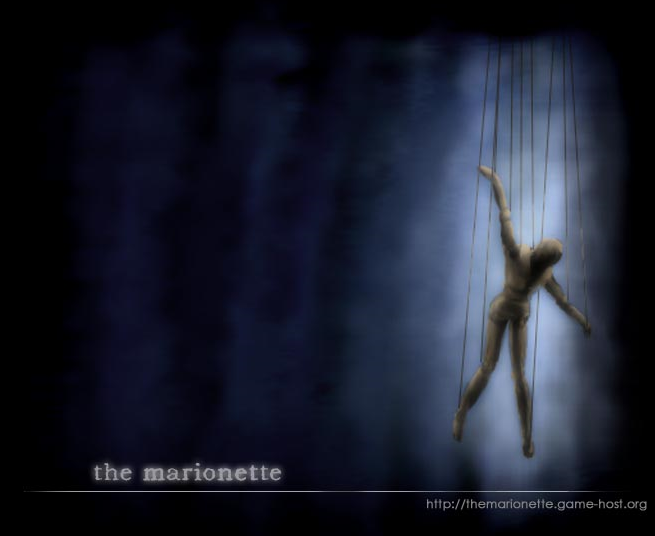
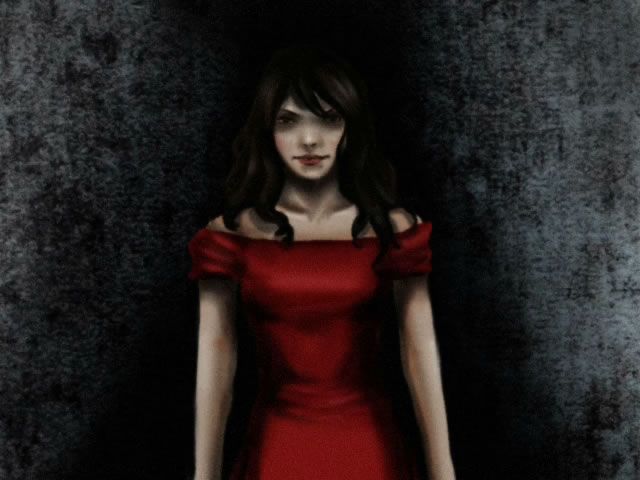
Visually, The Marionette blends realistic character models with surreal, dreamlike environments. Martin’s sculptor studio and the galleries he’s shown in are rendered in muted earth tones, reflecting his grounded artistic world. But once you’re drawn into the nightmarish house, the palette shifts—with stark contrasts, deep shadows, and splashes of unsettling color—to heighten the sense of dislocation.
Each door Martin passes through transports him to a distorted version of his past: a childhood home warped by memory, a gallery where sculptures whisper in the dark, or a blank space that feels as empty as the memories Martin is missing. The developers do an excellent job of building atmosphere with clever use of perspective and scale; hallways seem longer than they should be, rooms rearrange themselves, and statues appear just beyond the edge of your vision.
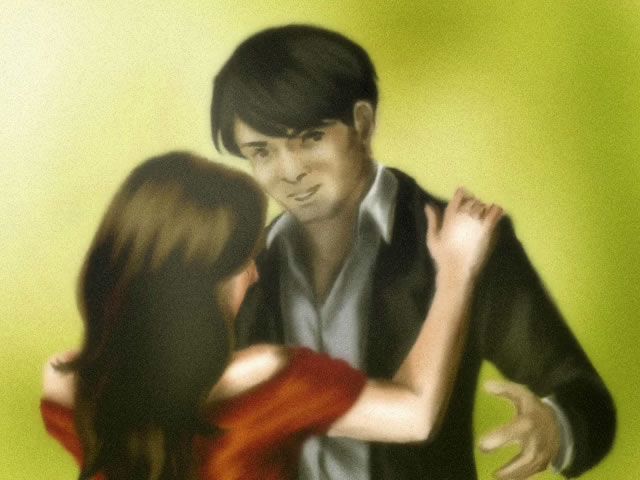
Cut-scenes interrupt gameplay at key moments, shifting to a third-person view and sometimes adopting a panel-style presentation reminiscent of graphic novels. These sequences not only break up exploration but also showcase Martin’s emotional turmoil in dramatic close-ups and stylized framing. Transitions back to gameplay feel seamless, preserving immersion even as the story veers between reality and dream.
Story
The Marionette’s narrative hinges on its central mystery: why did Martin blackout in his studio, and how did he end up before an unfamiliar door? An unmarked letter containing only a cryptic number and a strange photograph sets the stage for a journey that blurs the lines between art, memory, and madness. As a struggling sculptor, Martin’s lifeblood is human form—but here, the human becomes the canvas for his own fragmented mind.
Much of the storytelling takes place through Martin’s journal, where you track found pages and piece together clues about his past. Each recovered memory sheds light on a different aspect of his life: relationships with former models, the pressure of expositions, and the fears that plague his artistry. Giuseppe—a man whose own motives remain murky—serves as your guide, offering hints but never revealing all the answers. Their interactions expose deeper layers of Martin’s psyche, making you wonder who’s steering whom.
The horror elements are subtle but effective. Rather than relying on jump scares, The Marionette uses psychological tension—distorted faces, whispered voices, and corridors that close in on you—to build unease. By the time you choose between one of four endings, you’ve experienced Martin’s descent into uncertainty and questioned what’s real versus what’s conjured by his mind. It’s a narrative that rewards attention to detail and emotional investment.
Overall Experience
The Marionette excels at crafting an unsettling, introspective adventure that puts storytelling front and center. Its deliberate pacing lets you savor each new revelation, and the hand-crafted puzzles feel organic to Martin’s quest for self-knowledge. While some players may find the slow burn approach challenging, the payoff is a richly layered world that lingers in your mind long after the credits roll.
On the technical side, you might encounter occasional clipping or minor frame-rate dips in more elaborate rooms, but these issues rarely undermine the game’s overall atmosphere. The voice acting and ambient soundtrack perfectly complement the graphics, heightening tension without ever overwhelming the narrative. If there’s a gripe, it’s that the user interface can feel a bit sparse at times—though this minimalist design also serves to keep the focus squarely on exploration and discovery.
For fans of psychological horror and narrative-driven puzzles, The Marionette is a must-play. Its blend of eerie environments, thought-provoking story beats, and branching endings offers a memorable journey into the mind of an artist on the brink. Whether you’re drawn by the mystery, the haunting visuals, or the creative puzzle design, this game delivers an experience that’s as haunting as it is beautiful.



Reviews
There are no reviews yet.