 Retro Replay Retro Gaming History, Reviews & Emulation


Game Overview
Gameplay
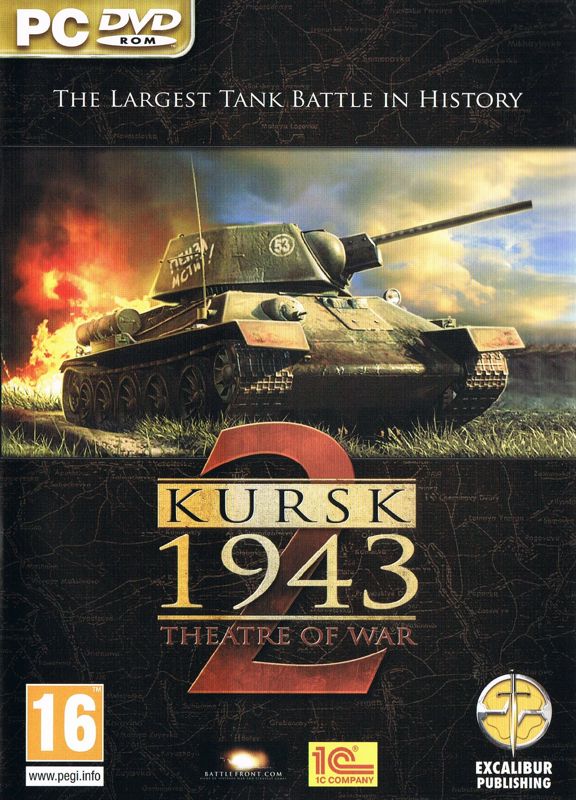
The first battle makes its priorities clear: this is not a breezy rush across a battlefield. You command multiple units in real time, point and select your way around broad engagements, and are expected to treat each order as consequential. Kursk 1943 is built around the friction of battlefield command, where losing infantry or armor can hurt more than taking a little longer to secure ground.
Two nine-battle campaigns give you a meaningful choice of perspective. The German side follows Grossdeutschland Kampfgruppe, while the Soviet campaign puts you in charge of the 67th Guards Rifle Division and 3rd Mechanized Corps. That structure gives the game more than a single tour through the battle; you can return from the other side and face its major engagements with a different force under your command.
Victory points add a welcome strategic knot to each mission. You earn them by eliminating enemy soldiers and armor and by carrying out orders from High Command, then decide whether reinforcements, air support, or artillery fire are worth the expenditure. Saving points improves your end-of-mission military skill level, so the obvious answer is not always to call for help. That push and pull makes success feel earned, though it will frustrate you if you prefer tactics games that let you freely solve a difficult position with unlimited support.
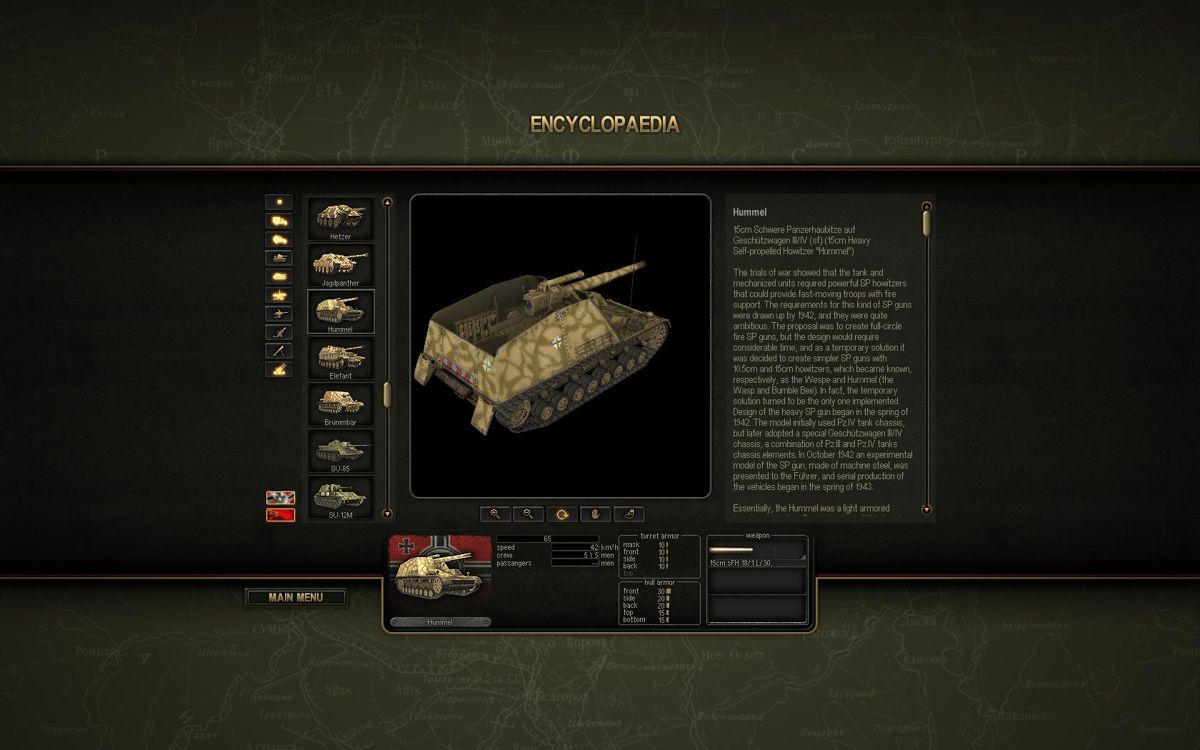
The impact-vector option is exactly the kind of detail realism-minded players will appreciate. Zoom in on a damaged unit and you can inspect impact vectors alongside projectile information. It will not rescue a bad plan, but it gives you useful evidence for figuring out what happened to a vehicle and why an engagement went wrong.

Graphics
The game uses a diagonal-down battlefield view with a free camera, letting you pull back to oversee an engagement or zoom in on damaged units. The close inspection view is especially practical when impact vectors and projectile details appear, turning vehicle damage into something you can examine rather than merely accept.
Story
Kursk 1943 is anchored in the decisive World War II battle of Kursk rather than a detached fictional war. Its story comes through the two campaign viewpoints: German command with Grossdeutschland Kampfgruppe, then Soviet command with the 67th Guards Rifle Division and 3rd Mechanized Corps.
That dual structure is the right fit for this subject. You are not simply replaying the same army’s advance across 18 battles; the opposing campaigns ask you to inhabit the conflict from both German and Soviet positions. The historical framing gives the objectives and losses more weight than they would have in a generic real-time tactics setting.
Do not come in expecting the game’s narrative pull to replace its tactical demands. The campaign context is there to put you into Kursk’s major battles, while the lasting drama comes from whether your command decisions preserve enough force to complete the job.
Overall Experience
Theatre of War 2: Kursk 1943 is a focused, demanding real-time tactics game for someone who likes to slow down, assess a battlefield, and live with the results. Its strongest idea is the connection between battlefield performance and resource decisions: victory points can ease the current fight, but holding onto them improves your final assessment. That is a more interesting pressure than a simple win-or-lose objective.
The payoff is strongest when you accept that it wants discipline from you. You need to care about individual soldiers and armor, pay attention to orders from High Command, and resist treating artillery or air support as a casual panic button. A careless victory can still leave you with the sense that you commanded poorly, which is a harsh but fitting standard for a simulation-minded war game.
Give it a chance if the Battle of Kursk, historical military command, and unforgiving real-time engagements sound like a good evening. Skip it if you mainly want fast tactical gratification or a loose, consequence-free battlefield sandbox. For the patient strategy fan, its two campaigns and carefully pressured victory-point economy make this a solid return to one of WWII’s most consequential battles.


Reviews
There are no reviews yet.