 Retro Replay Retro Gaming History, Reviews & Emulation
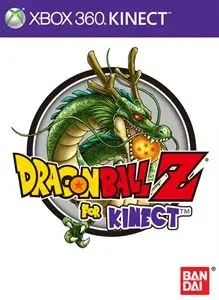
Game Overview
Gameplay
The first few matches can be a blast because the fantasy is so direct. You throw punches and kicks, lean to dodge, raise your hands to block, then push your palms forward to fire ki blasts. Special attacks ask for character-specific stances, which is exactly the kind of goofy commitment a Dragon Ball Z game should invite. When it recognizes what you are doing, landing a big move feels more personal than pressing a button ever could.
The trouble is that Dragon Ball Z for Kinect does not give you much room to actually fight on your own terms. The camera keeps your opponent in view and you do not freely control movement outside of certain dodges. Combos are often automated, and successful exchanges can abruptly shift to third person as the game carries out the flashy sequence. That makes the action accessible, but it also turns too many fights into a string of prompted motions and predetermined payoffs.
Quick-time prompts add further pressure, demanding an offensive or defensive action at the right moment. They fit the game’s choreographed, episode-like structure, yet they can make a battle feel like a motion-controlled reaction test rather than a competitive one-on-one fighter. Score Attack at least cuts the battle interludes and lets you choose characters and opponents, while the tutorial is worth using before you judge the gesture system too harshly. With more than 50 character variations and over 100 moves, there is material to sample, but not much tactical depth to uncover.
Story
Saiyan Saga Story opens with Goku and Piccolo facing Raditz in an effort to rescue Gohan, then jumps through material drawn from several Dragon Ball Z arcs, including the Frieza, Cell, and Babidi sagas. These are not connected as one continuous retelling. Instead, the game uses short cinematic interludes to frame individual, familiar confrontations. That approach delivers recognizable fan-service moments, but it feels more like a highlight reel than a satisfying campaign.
Overall Experience
This is one of those games where the hardware premise is both the reason to try it and the reason it cannot fully deliver. Acting out a beam attack or defensive stance has a kind of party-game charm, especially if you grew up wanting to mimic the show. The game understands that Dragon Ball Z combat should be loud, physical, and packed with sudden reversals.
But the same design leaves little behind once the initial novelty wears off. Since so much of a match is choreographed, automated, or tied to quick prompts, your victories do not carry the same satisfaction as they would in a fighter built around deliberate spacing, timing, and direct control. The ranking after each battle gives you a reason to chase better results, but it cannot make the underlying encounters feel less constrained.
Give it a chance if you already own a Kinect and want a brief, active Dragon Ball Z novelty with a large character roster to unlock. Everyone else should be cautious. The game captures isolated flashes of the anime fantasy, particularly when a gesture cleanly produces a signature attack, but it never turns that fantasy into consistently rewarding combat.


Reviews
There are no reviews yet.