 Retro Replay Retro Gaming History, Reviews & Emulation
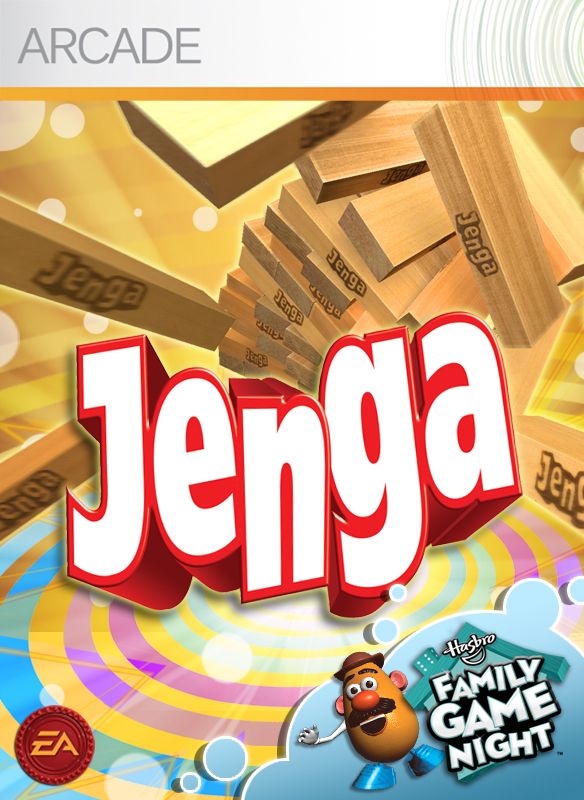
Retro Replay Review
Gameplay
The first few turns understand the assignment. You hover over the tower, find highlighted blocks that might move, then gingerly work one loose with the left stick. Choosing which way to pull and how hard to push gives each attempt a small but welcome feeling of physical risk. When the tower finally gives way, it is hard not to feel that familiar Jenga mix of embarrassment and amusement.
That tension is strongest with other people waiting for your mistake. Up to four people can take turns locally or online, and the simple rules mean nobody needs a tutorial before the first tower is underway. This is the version to choose when you want a low-pressure game between bigger activities: a round is built around watching somebody commit to a questionable block and living with the result.
Solo play is the weak fit. There are no AI opponents, so you are simply taking blocks from the tower yourself, without another turn to outplay or another person to laugh at when it falls. It can still be useful for getting comfortable with the stick controls, but it does not have much reason to hold your attention once the novelty fades.
Remix mode does more than merely ask for another standard tower. Color-specific removals and bomb blocks that must be dealt with before they explode push you toward riskier choices, which is exactly what a digital version needs to avoid becoming too predictable. These twists are modest, but they add some urgency and make the basic act of extracting a brick feel less routine.
Graphics
You select Jenga from Hasbro Family Game Night’s game room, hosted by Mr. Potato Head. The room can be browsed, displays collected trophies, and offers different background themes, giving this downloadable game the same toy-box framing as the larger collection.
Story
There is no story campaign to follow, and that suits Jenga. The only real drama is created turn by turn: a block shifts, a player decides whether to keep nudging it, and the tower either survives or does not.
Mr. Potato Head and the game room provide a light frame rather than a narrative. Trophies give you something to collect while you play, but they are not trying to turn a tabletop game into an adventure.
If you want characters, plot turns, or a reason to keep going beyond another tower, look elsewhere. Jenga is content to let the shared suspense around the stack do all of its storytelling.
Overall Experience
Jenga works because its controls preserve the central question of the real game: can you get this one block out without being the person who ends the round? The ability to vary direction and force makes that question feel more involved than a simple button press, while Remix mode supplies a few useful complications.
Its limits are just as clear. This is a small, focused game that relies heavily on company, and the lonely single-player option exposes how little competition there is without another human at the table. The game room, hints, themes, and trophies add a bit of surrounding structure, not a major reason to play for hours.
Give it a chance if you already have people ready for a few rounds of friendly sabotage and collapsing towers, particularly if you want local or online multiplayer with almost no barrier to entry. Skip it if you are hunting for a substantial solo strategy game. As a quick social diversion inside Hasbro Family Game Night, it does the job; as a standalone obsession, it is too thin.


Reviews
There are no reviews yet.