 Retro Replay Retro Gaming History, Reviews & Emulation

Retro Replay Review
Gameplay
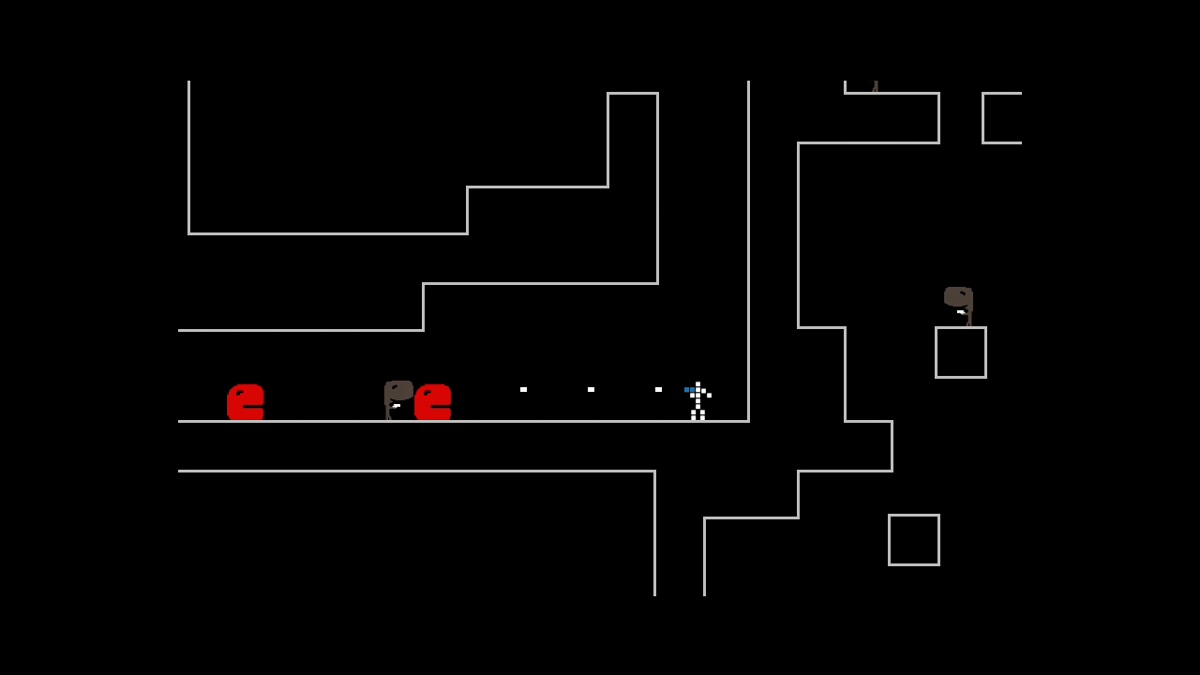
Pixelkiller opens with the kind of straightforward goal that can be refreshing: get your stranded pixel man to the exit. You run, jump, and fire a pistol through compact side-view stages while enemies, coins, and the occasional concealed route complicate that simple trip. There is no long runway before you are doing the thing the game cares about.
The pistol gives the platforming a little more bite than a pure jump-and-dodge game. Some enemies can be destroyed, some cannot, and certain walls can be shot apart. That limitation matters: spraying bullets is not a universal answer, so you still have to read the route and decide whether a threat needs avoiding, a wall deserves testing, or a hidden passage may be worth the detour.
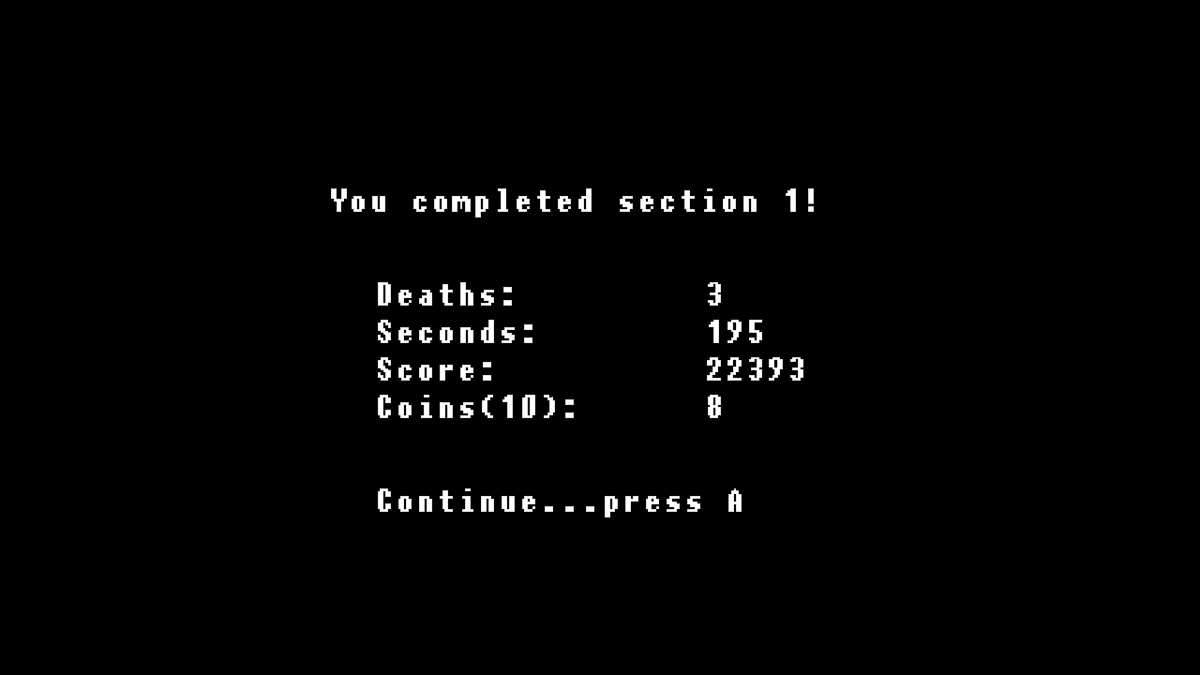
Death is handled kindly, returning you only a short distance rather than sending you back to the beginning of a stage. That makes experimentation with routes and hidden areas much less punishing. The catch is that Pixelkiller tracks deaths alongside time, score, and coins, so a messy successful run can still leave you wanting another go.
With only ten stages, this is not built to occupy you for weeks on a first pass. Its staying power comes from self-imposed improvement: collect more, die less, score higher, and cut seconds from the clock. If that arcade-minded loop hooks you, the small stage count feels like an invitation to replay; if you only want to reach every exit once, it will be a brief trip.
Graphics
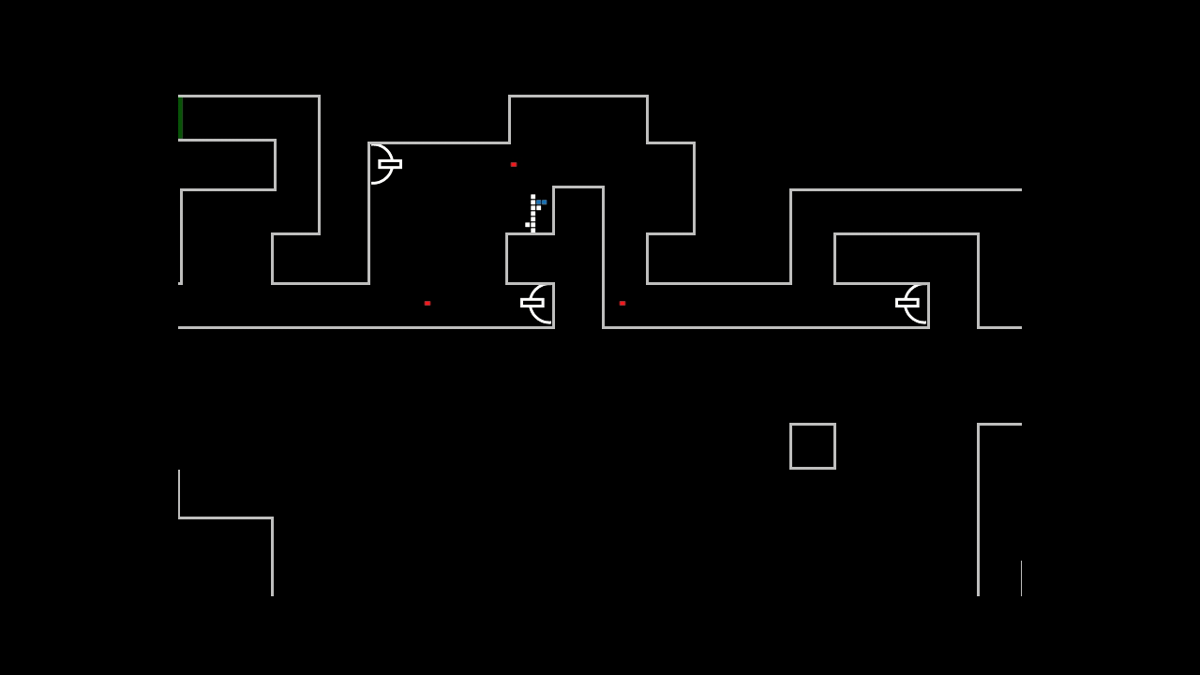
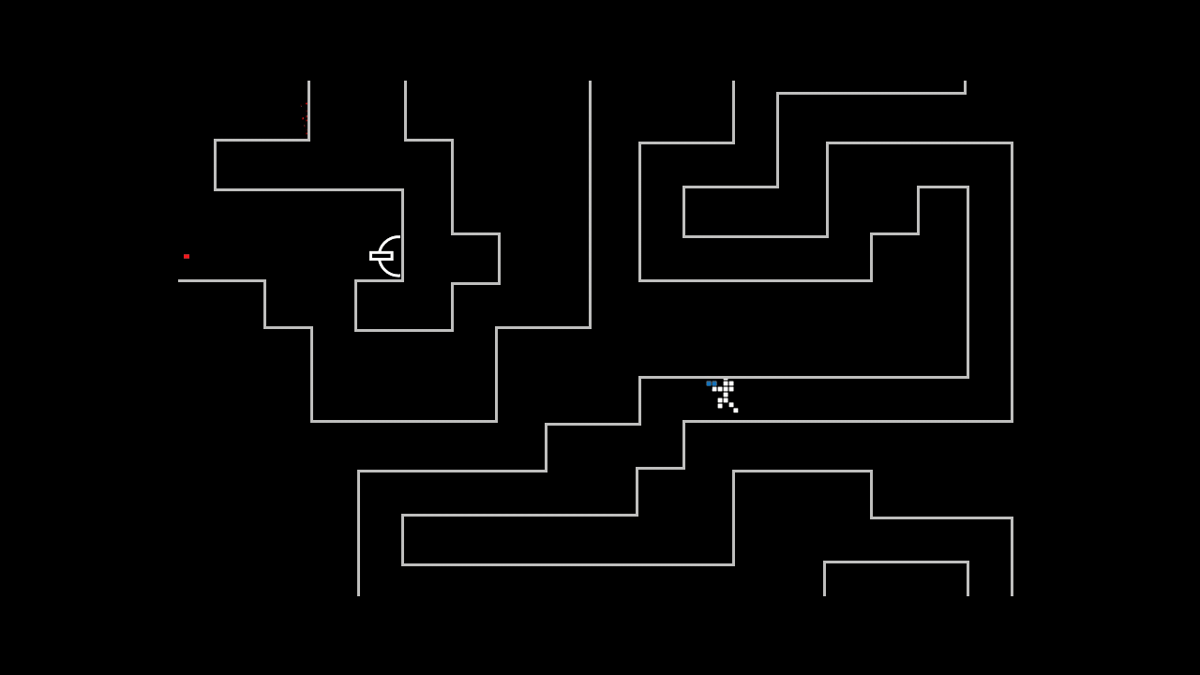
The look is deliberately retro and built around a pixel-sized protagonist moving across side-view stages on a strange planet. It is a simple, direct fit for a game centered on quick movement, shots, enemies, coins, and routes to an exit.
Story
Pixelkiller keeps its story to a useful setup: you are lost on a faraway planet and, fortunately, brought a gun. It gives the action a clear excuse without getting between you and the next stage.
That stripped-down approach suits the game. The planet is less a place for plot than a reason to push onward through hostile screens, find exits, and uncover passages tucked into the route.
Do not come in expecting a narrative-heavy adventure. The payoff is mechanical rather than dramatic: another cleared stage, a cleaner record, and perhaps a route you missed the first time.
Overall Experience
Pixelkiller knows exactly how small and focused it is. It turns a basic platformer toolkit into a repeatable challenge by combining short stages, limited checkpoints after death, shootable obstacles, hidden paths, and performance tracking. That clarity is its strongest quality.
It can also be a narrow proposition. The ten-stage structure means the first completion is likely to be short, and the numbers at the end of a run have to matter to you. Gamers who enjoy replaying a compact course until the coin count, death count, and time look right will get much more from it than anyone chasing a large campaign.
Give it a chance if you want a no-frills retro platformer with enough route-hunting and score-chasing to reward persistence. Pixelkiller does not need a complicated hook: it asks you to reach the exit, then quietly dares you to do it better.



Reviews
There are no reviews yet.