 Retro Replay Retro Gaming History, Reviews & Emulation
Retro Replay Review
Gameplay
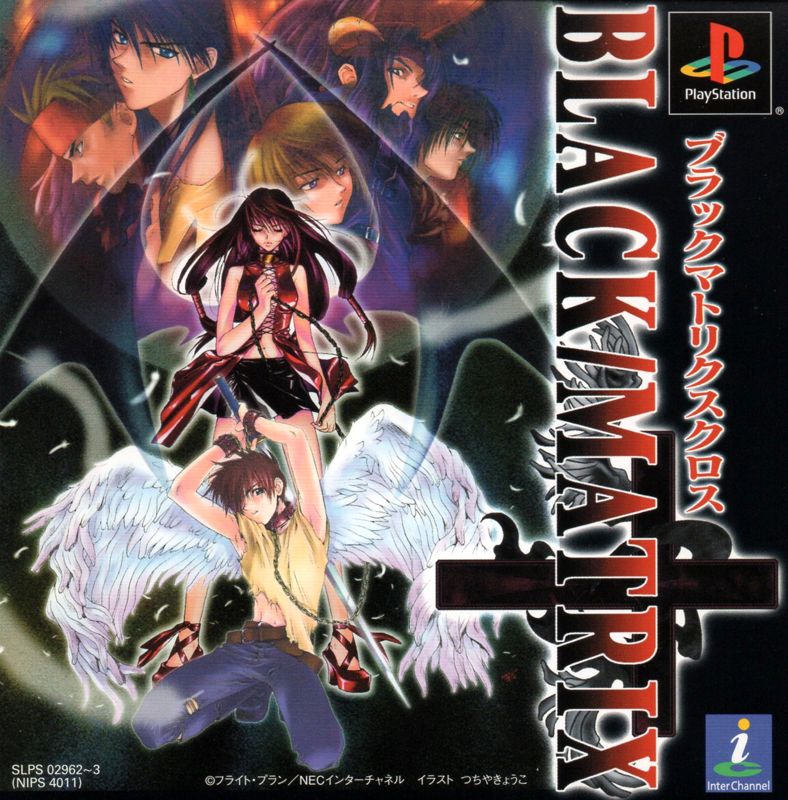
Black/Matrix + arrives with a particular sort of retro RPG appeal: it is a turn-based fantasy game viewed through an isometric lens, not a quick, immediately disposable action game. If you enjoy stopping to consider a battle rather than simply reacting, that basic setup still has real pull. The perspective is a natural fit for a game built around tactical decision-making, and the anime-fantasy framing gives the whole thing a more distinctive flavor than a generic medieval quest.
The first hour is likely to make its case through that combination of format and mood. You are settling into an older RPG rhythm, where the satisfaction comes from accepting the pace and learning how the game wants battles approached. It will click most readily if your fondness for turn-based combat includes patience for a PlayStation-era design rather than a need for constant momentum.
That also points to the likely frustration. Black/Matrix + is a modified port of a Saturn game, and its appeal is tied closely to the era that produced it. The game is better suited to someone who actively wants an older, isometric turn-based RPG with an anime edge than to someone hoping for a streamlined introduction to the genre. Go in for the tactical format and the unusual series history, not because you expect a modernized overhaul.
Graphics
On PlayStation, Black/Matrix + uses graphics similar to the original Saturn release rather than the Dreamcast version. The isometric battle view suits the turn-based structure, while the overall look remains rooted in late-1990s anime fantasy rather than the more ambitious Dreamcast presentation.
The clearest visual trade-off comes in the story scenes: Dreamcast animated cutscenes have been replaced by in-engine sequences. That makes the game feel more plainly like a Saturn-era work carried forward to another machine, even while it borrows from the expanded Dreamcast story.
Story
This version’s biggest point of interest is also its biggest complication. Black/Matrix + is based on the expanded story of the Dreamcast release, which gives it a stronger narrative basis than a straight Saturn port. For a story-focused fan, that matters: you are not merely getting the oldest version repackaged.
But the adaptation is selective. Several story sequences were cut, and the animated Dreamcast scenes are gone in favor of in-engine replacements. That is not a trivial downgrade when the draw of this edition is partly its expanded narrative material; presentation and continuity are exactly where you feel the seams of the port.
As a result, the story is easiest to appreciate as a hybrid version. There is more here than the original Saturn foundation alone, but not every Dreamcast-era flourish survives the trip. If the Black/Matrix world grabs you, it is worth keeping this context in mind and following the series onward with Black/Matrix II.
Overall Experience
Black/Matrix + is a good recommendation with an asterisk. Its turn-based, isometric RPG core and anime-fantasy tone make it an appealing deep cut for anyone who enjoys uncovering unusual console-era RPGs. There is genuine value in having the expanded Dreamcast story as its base, especially for a game with such a tangled version history.
Still, this is not the edition to choose solely for polish. The Saturn-like graphics, the loss of animated scenes, and the cut story sequences leave it feeling compromised even as it gains material from the Dreamcast version. You can enjoy that oddness as part of its archival charm, but it never stops being a compromise.
The payoff is worth it if you like meeting older games halfway. Black/Matrix + offers a distinctive blend of tactical RPG structure and dark anime fantasy, and it remains more interesting than interchangeable. For newcomers who demand a fully rounded version, it is harder to endorse without reservation; for curious retro RPG fans, its messy lineage is part of why it is worth playing.

Reviews
There are no reviews yet.