 Retro Replay Retro Gaming History, Reviews & Emulation
Game Overview
Gameplay
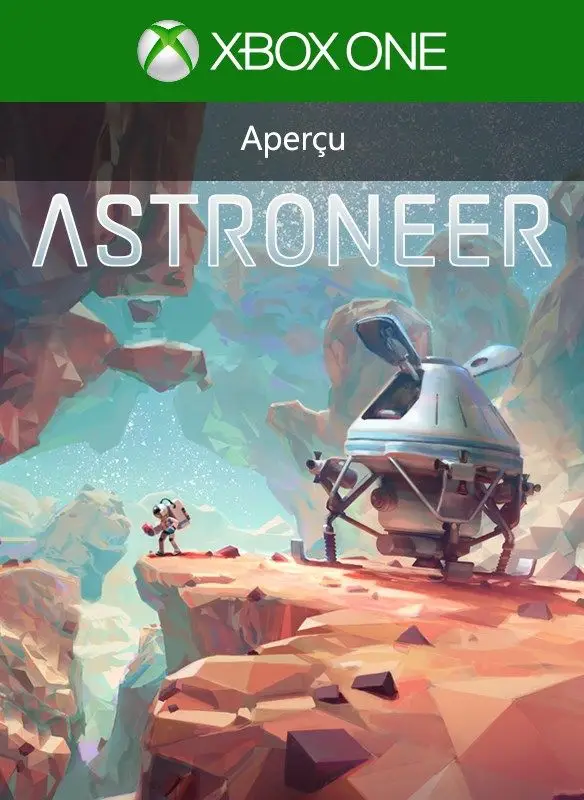
Astroneer is at its best when you set out for a quick resource run and return much later with a cave route, a pile of unfamiliar materials, and a completely different plan for your base. The Terrain Tool is the heart of that loop. Digging into the soil, extracting minerals, and reshaping the ground makes exploration feel hands-on in a way that ordinary gathering games often do not. You can solve practical problems with the land itself, including cutting paths through difficult terrain or making ramps for a rover.
Survival pressure is present, but it is not built around fighting. Oxygen is the immediate concern, especially when you stray from a tether or push into a cave, while power becomes the bigger logistical question once you begin operating equipment and vehicles. Storms, falls, and falling debris can punish careless expeditions, so even a peaceful trip has some tension. The lack of hostile NPCs makes the game more about preparation and problem solving than panic.
Crafting and research give all that mining a clear purpose. Early materials feed printers and workstations, alien artifacts can lead to new blueprints, and rarer resources open the door to more ambitious machinery. There is a satisfying escalation from making do with limited supplies to planning a base that can support longer expeditions. Still, the path to a desired tool can involve several layers of refining, researching, and gathering. If you need constant action or immediate rewards, that cadence can wear thin.
Rovers and shuttles broaden the game at the right time, turning one planet into a stepping stone rather than the whole adventure. Different worlds bring different biomes, hazards, and materials, so travel is not merely a change of scenery. Multiplayer also suits the game naturally: dividing up mining, construction, and exploration can make a sprawling project feel like a shared expedition instead of a long checklist. Solo play remains rewarding, but it asks you to be your own engineer, quartermaster, and trailblazer.
Story
There is no fixed narrative path, dialogue system, or morality track steering your astronaut. Instead, Astroneer uses the mystery of ancient structures, scattered artifacts, alien technology, and the larger solar system to give exploration some direction. That loose approach works well if you enjoy making your own goals, though it will not satisfy anyone looking for character-driven drama or a strongly authored plot.
Overall Experience
What makes Astroneer stick is the feeling that nearly every discovery can become a new project. Find a resource, unlock a blueprint, build a machine, and suddenly a distant mountain or another planet feels reachable. Its systems connect in a pleasing chain, and the ability to alter the terrain means your solutions often look personal rather than prepackaged.
Its biggest weakness is also inseparable from its strengths. Astroneer makes you earn expansion through repeated gathering and careful infrastructure work. Managing oxygen, power, material processing, and travel can feel deeply satisfying when you are in a building mood, but it can also turn a simple idea into a lengthy errand. The game rarely pushes you with combat, so your patience with its logistical rhythm matters more than your reflexes.
Give it a chance if you like survival sandboxes where curiosity is the main engine and a base is something you gradually grow into, not something handed to you. The payoff is a relaxed but absorbing spacefaring routine full of small engineering victories. It is less compelling as a fast-paced survival game, yet for a player happy to dig, tinker, and set the next destination without being rushed, Astroneer has real staying power.


Reviews
There are no reviews yet.