 Retro Replay Retro Gaming History, Reviews & Emulation
Game Overview
Gameplay
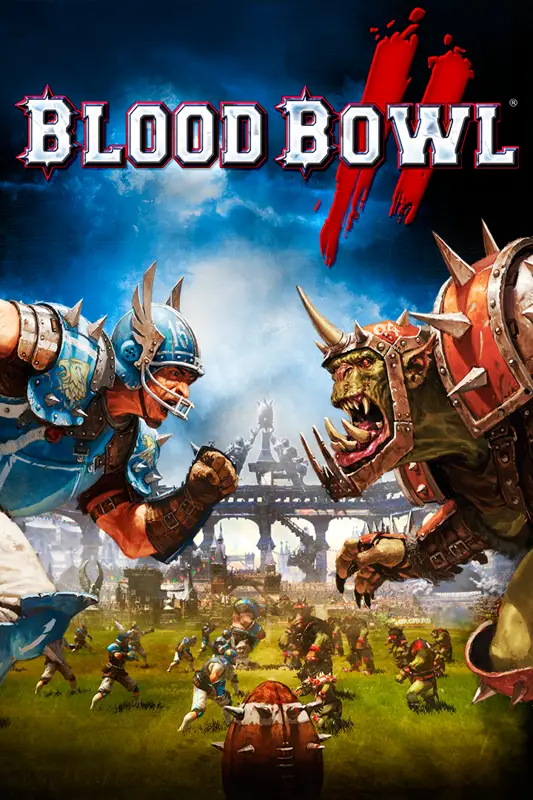
Blood Bowl II captures the wonderful tension of turn-based tabletop sports: before you make the exciting move, you need to make the safe one. A routine action can fail, turnovers end your turn immediately, and one careless decision can turn a likely touchdown into an opponent’s breakaway. That makes each possession feel less like a clean football simulation and more like a tactical puzzle where you are constantly deciding how much risk your position can survive.
The grid-based pitch gives the strategy real structure. Positioning matters before a block is thrown, and player statistics and skills affect the dice-driven outcomes, so brute force alone is not a reliable answer. Orcs reward a punishing approach, elves create opportunities through agility and passing, and dwarves lean into defense. Learning to play to a roster’s strengths, while denying the other side its preferred game, is where the game starts to click.
It can also be unforgiving in ways that will test your patience. A failed action at the wrong moment is not a minor setback, and injuries or deaths can permanently change a campaign team. That harshness is purposeful because it makes cautious play, reserve funds, and roster decisions matter, but it still means losses can feel like they were decided by one ugly dice result. You need to enjoy adapting after a plan collapses, not just executing a perfect plan.
Managing a persistent team gives individual matches a welcome sense of consequence. Experience can improve players, winnings can replace casualties or bring in star athletes, and stadium upgrades affect play. Online leagues and custom tournaments extend that commitment into longer-running franchises. The management layer is not a side activity. It is the reason a battered squad and a hard-earned win can feel more personal than a one-off exhibition match.
Story
There is no indication of a traditional character-driven story, but the campaign creates its own ongoing drama through a team’s rise, setbacks, injuries, sponsorships, and roster changes. Cabalvision commentators Jim Johnson and Bob Bifford add humor around that season-long struggle, giving the sport its appropriately ridiculous Warhammer flavor.
Overall Experience
Blood Bowl II works because it refuses to separate strategy from consequences. Every turnover hurts, every injured veteran can change how you build the team, and every touchdown feels earned because it survived the game’s many opportunities for disaster. It makes you think like a coach, not simply a player moving pieces toward a goal line.
The cost is volatility. Dice rolls are central to blocks and tackles, and the turnover rule can make a single failure feel brutal, especially when you had a clear plan in mind. If you want a sports game where superior decisions always produce immediate results, the randomness will be a hard sell. If you understand that managing probabilities is the skill, the frustration becomes part of the drama.
Give it a chance if you want American football filtered through fantasy violence, tactical board-game thinking, and long-term team management. Its best moments come from surviving a messy drive with a depleted roster, then watching that same squad grow into something formidable. Blood Bowl II is demanding, occasionally maddening, and much more rewarding than its chaos first suggests.


Reviews
There are no reviews yet.