 Retro Replay Retro Gaming History, Reviews & Emulation
Game Overview
Gameplay
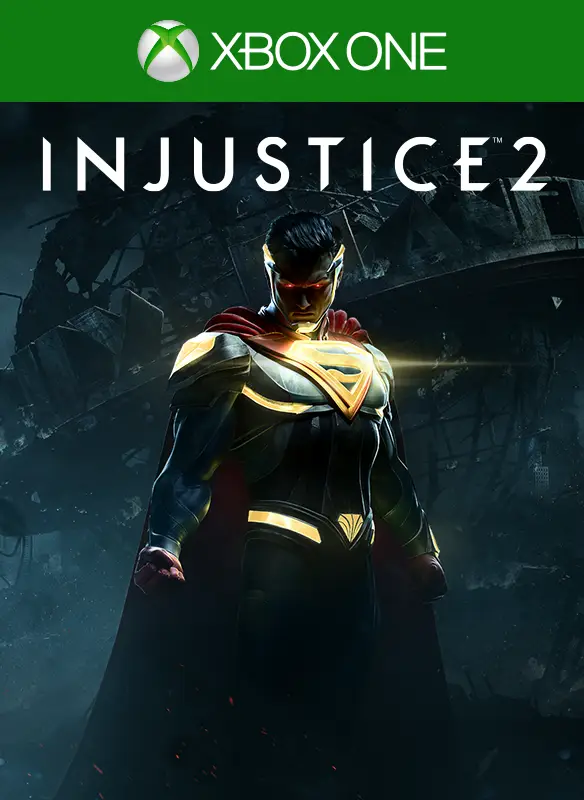
Injustice 2 grabs you with the simple pleasure of making famous DC characters throw down, then holds on because the roster has genuine fighting-game variety. Each character brings unique abilities and a distinct style, so switching from one fighter to another is more than picking a new costume. You can find a favorite based on personality, but you will still need to learn how that character wants to control a match.
The sequel’s refined mechanics make its fights feel less like a novelty act and more like a game you can steadily improve at. Blocking environmental attacks adds another defensive consideration, which matters when you are tempted to treat every arena interaction as free damage. The best moments come when you stop rushing, recognize an opponent’s patterns, and turn a good read into momentum.
Solo players get more than a story campaign. Arcade modes and the Multiverse’s parallel-universe challenges offer reasons to keep rotating through the cast, with rewards feeding into the Gear System. That loop can be compelling if you enjoy building up characters over time. If your only interest is strict tournament-style balance, the stats attached to gear may be a distraction rather than a reward.
Thankfully, Injustice 2 does not force that divide. You can disable Gear System upgrades in local versus and online battles, letting the matches rest on character knowledge and execution instead. That flexibility makes it easy to enjoy the collecting side without worrying that every friendly fight has become an equipment check.
Story
Set five years after Superman’s rule turned tyrannical, the campaign puts Batman’s effort to restore order against both the aftermath of that regime and the growing threat of The Society. It is a suitably high-stakes DC setup, built for players who want their comic-book rivalries framed as a continuing conflict rather than a disconnected series of fights.
Overall Experience
Injustice 2 works because it respects two very different reasons to play a licensed fighter. You can come for the fantasy of choosing a DC favorite, collecting gear, and clearing challenges, or you can turn the upgrades off and focus on clean one-on-one matches. Few games in this lane make that split so practical.
There is some inevitable friction in a game that ties character growth to collectible equipment. Players who want every match to begin from an identical baseline will likely spend most of their time in the modes where gear is disabled. But that does not weaken the package. It means the game has a clear answer for both the loot-minded solo player and the friend who just wants a fair set on the couch.
If you enjoyed the first Injustice but wanted a broader reason to keep playing beyond the initial campaign, this is the stronger follow-up. Its story has the kind of oversized DC stakes the series needs, its cast supports real experimentation, and its approach to gear is flexible enough that you can engage with it on your own terms. It is easy to recommend to DC fans, and it has enough competitive consideration to reward anyone willing to put in the practice.

Reviews
There are no reviews yet.