 Retro Replay Retro Gaming History, Reviews & Emulation

Game Overview
Gameplay
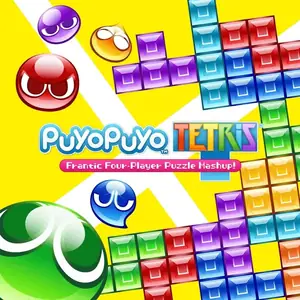
Puyo Puyo Tetris 2 understands that competitive puzzle games do not need elaborate combat systems to feel combative. Making a long Puyo chain or efficiently clearing Tetris pieces is not just about surviving your own board. It is about sending trouble across the screen at exactly the moment your opponent is least prepared. That constant push and pull gives every match a sharp, immediate tension.
The central strength is variety without abandoning the fundamentals. Rules change between modes, so you are not locked into one rhythm, and you can choose between Puyo Puyo, Tetris, or battles that combine both. That makes the game welcoming to a group with mixed experience. A Tetris veteran can rely on familiar block-stacking instincts, while someone more comfortable building Puyo chains still has a meaningful way to fight back.
Skill Battle gives the sequel its clearest new argument for existing. You assemble a three-character team, spend MP on special skills, and aim to reduce the rival team’s HP to zero. That added layer should appeal if standard versus matches have started to feel solved in your friend group. It also asks more of you than simply building the biggest chain, which may frustrate anyone who wants every match to remain a clean test of classic puzzle execution.
Solo players have options beyond multiplayer, while local battles can support up to four competitors. The latter is where the game seems most likely to create memorable sessions, because its basic rule is instantly understandable even when the underlying chain-building gets demanding. Newcomers may initially survive by reacting, but improvement comes from learning to plan attacks rather than merely clearing a mess.
Story
The story again brings the Puyo Puyo characters and Tetris masters together after Marle mixes their universes, setting up a search for the reason behind the collision and a way to put things right. It is a playful excuse to move the cast toward one another and frame the puzzle contests, not the reason to buy in. If you enjoy the characters, the premise gives the campaign some extra flavor; if not, the matches carry the experience.
Overall Experience
This is a strong sequel because it preserves the simple pleasure at its center: building something clever under pressure, then watching your opponent deal with the consequences. Puyo Puyo and Tetris make an unusually good shared package because they offer distinct paths to mastery without changing the competitive stakes. You can spend time specializing in one side or bounce between both as the mood strikes.
The game earns its best moments when a match turns from orderly planning into a race to recover. Long chains and efficient clears have real bite because they can flood the opposition with Nuisance Puyo or blocks. That means losses can sting, especially against someone who understands how to create attacks while staying safe, but the rules are direct enough that a rematch usually feels like an invitation rather than a chore.
Give Puyo Puyo Tetris 2 a chance if you want a puzzle game that works as both a personal skill test and a lively multiplayer rivalry. Skill Battle adds a more tactical alternative, and the broader set of modes keeps the package from leaning on one gimmick. It is most rewarding with willing rivals nearby, but the single-player options ensure you can still sharpen your game before the next showdown.


Reviews
There are no reviews yet.