 Retro Replay Retro Gaming History, Reviews & Emulation
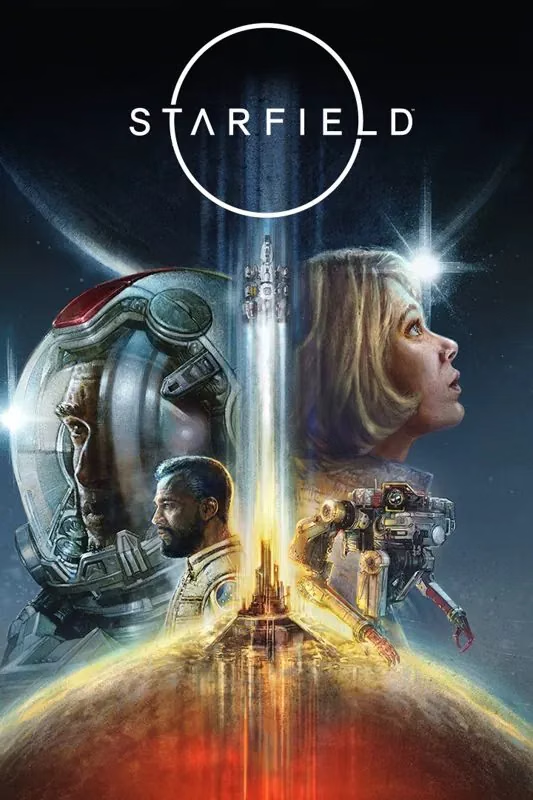
Game Overview
Gameplay
The first few hours ask you to absorb a lot: gunplay on foot, jetpack movement, skill categories, equipment upgrades, companions, crafting, ships, factions, and the basic fact that nearly every trip can turn into a side project. That abundance is thrilling if you like RPGs that let you pick a direction and commit to it. You can build toward better persuasion, stealth, weapon handling, science, or piloting rather than being pushed into one fixed kind of hero.
Combat has enough range to keep a long campaign from becoming a single-note shooting gallery. Firearms, melee weapons, explosives, energy weapons, and stealth create different ways to handle trouble, while the jetpack gives movement a welcome sense of verticality on rough terrain. Space combat is more deliberate than simply pointing and firing, since you are balancing power among ship systems and can target components, disable vessels, or board them. Ship customization is one of the game’s more satisfying long-term hooks because upgrades to engines, shields, weapons, and cargo capacity change what your ship can handle.
There is also plenty of busywork mixed into that freedom. Carry limits make every resource haul and loot-filled mission a small argument with your inventory, and crafting, research, outposts, and supply chains can become a demanding second job if you feel compelled to optimize everything. The smart way to play is to choose the systems you genuinely enjoy. Build an outpost because you want one, not because you think you must; invest in a ship because the next fight calls for it, not because every module needs to be perfect.
Story
The artifact mystery gives Starfield a useful central thread, but the richer role-playing comes from the choices around it. Constellation points you toward discovery, while the United Colonies, Freestar Collective, and Ryujin Industries offer competing interests and different ways to define your character. Branching conversations, persuasion, and faction decisions let you solve problems with diplomacy, violence, or subterfuge, and companions react to the person you choose to be. The writing works best when you follow a storyline that matches your own idea of this character rather than trying to see every possible outcome at once.
Overall Experience
Starfield is a big, often absorbing RPG about deciding what kind of spacefarer you want to be. Its strongest quality is not that it offers one perfect adventure, but that it keeps putting tempting alternatives in front of you: take the contract, chase the faction lead, hunt for better gear, revise your ship, recruit a crew, or land somewhere new and see what is there. When that loop grabs you, hours disappear easily.
Its weaknesses come from the same oversized ambition. Every layer has demands on your time, and the game can feel cluttered when missions, resources, cargo, perks, upgrades, and companion relationships all compete for attention. The procedural side of the galaxy also means the handcrafted quests and major faction stories carry more of the memorable weight than wandering for wandering’s sake. You will have a better time if you give yourself permission to skip activities that do not fit your character.
For the right gamer, the payoff is absolutely worth the friction. If you want a tightly paced action game, Starfield can feel overstuffed and slow to settle into its best rhythm. But if you enjoy making imperfect decisions, gradually shaping a build, and turning a sprawling RPG into your own personal space career, it has the scale and flexibility to stay engaging for a very long time.


Reviews
There are no reviews yet.