 Retro Replay Retro Gaming History, Reviews & Emulation
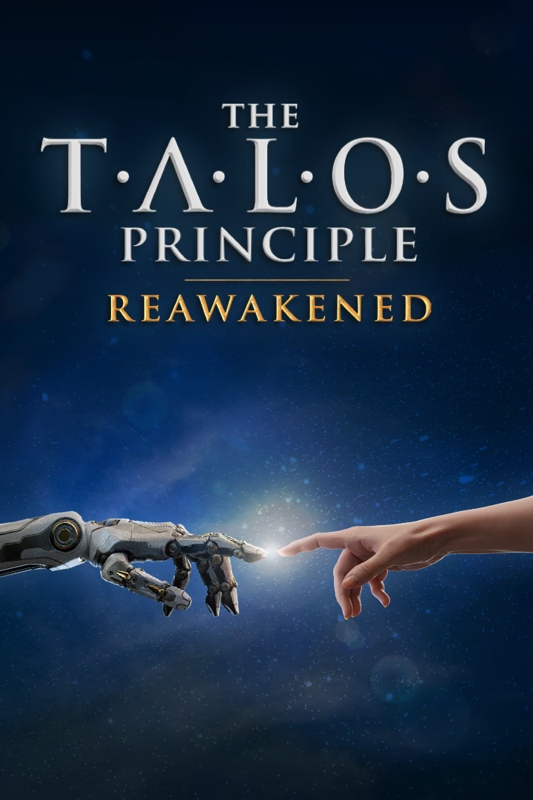
Game Overview
Gameplay
The best moments in The Talos Principle: Reawakened arrive when a room that initially looks impossible suddenly becomes legible. You start by dragging a connector into place or shutting down an obstacle with a jammer, then realize the answer requires preserving a beam, rerouting energy, or using the same limited tools in a completely different order. It is methodical puzzle solving, but rarely dry. Each solved chamber feels like you have understood a small machine from the inside.
The open-ended hub structure makes that process far less punishing than a straight line of locked rooms would be. Multiple puzzle areas are available at once, so you are not forced to bash your head against one stubborn challenge for an hour. Leave it, explore another route, collect a few more sigils, and come back later. That freedom also makes the rising complexity easier to accept, since you can choose when to take on the tougher work.
Its strongest puzzles ask you to combine systems rather than repeat a single trick. Light beams, gates, pressure plates, hazards, and the tools that interact with them gradually become parts of longer chains of reasoning. Timing and spatial awareness matter, but patience matters more. The optional golden sigils, stars, hidden collectibles, and larger mega puzzles give committed problem-solvers a deeper bench of challenges without making the core path feel like a completionist chore.
Frustration can set in when you know the answer must be hiding in the room but cannot see the sequence that makes it work. Reawakened does not sound built to hand you solutions, and that is mostly the point. You need to enjoy experimentation, wrong turns, and the quiet satisfaction of discovering that one overlooked angle. The included editor and developer commentary add welcome value once you have finished or want to understand the craft behind the chambers.
Story
Set after humanity’s disappearance, the game casts you as a newly awakened artificial being moving through a world shaped by human culture and machine inheritance. Mysterious voices, terminals, and conversations with other AI turn the journey into a sustained argument about consciousness, free will, and what people leave behind. The writing is thoughtful rather than breezy, and the branching conversations and endings give your responses some real significance. Road to Gehenna and the new In the Beginning chapter make this edition feel like a fuller exploration of those ideas, not just a cleaner replay of the original.
Overall Experience
Reawakened understands why the original endured: its puzzles respect your intelligence, and its story gives you something worthwhile to think about between them. The Unreal Engine 5 rebuild, modernized features, accessibility options, and expanded package make this the natural version for a first playthrough, while the core design remains deliberately patient and cerebral.
You should give it a chance if solving a hard room through observation and persistence sounds relaxing rather than exhausting. It is not for anyone who wants constant action or fast answers, but Croteam’s puzzle design rewards the kind of attention most games barely ask for. When a multi-step solution finally locks into place, the payoff is excellent.
At 8.5, this is a confident recommendation for puzzle fans and a strong excuse to revisit one of the genre’s most philosophically ambitious games. The new chapter, bundled expansion, and extra creation tools make it feel generous, but the real reason to play is still the same: few first-person puzzle games make you feel this clever without making that feeling cheap.


Reviews
There are no reviews yet.