Retro Replay Retro Gaming History, Reviews & Emulation
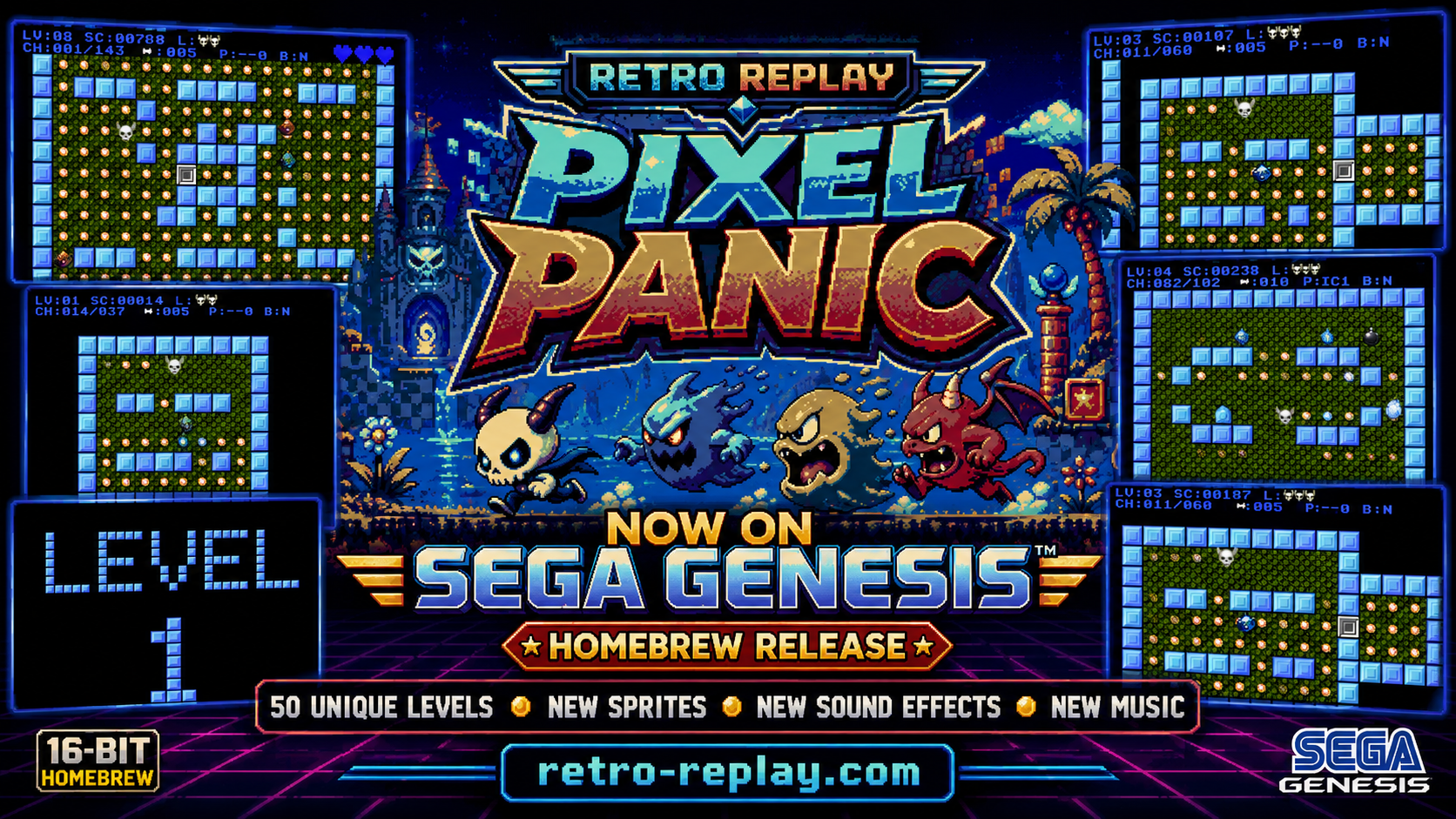
Retro Replay: Pixel Panic has officially made the jump from the Nintendo Entertainment System to the Sega Genesis, and this new 16-bit version is a much bigger, louder, faster, and more complete version of the original homebrew idea.
What started as a small NES homebrew experiment has now grown into a full Sega Genesis homebrew release with 50 unique levels, new sprites, updated gameplay ideas, new sound effects, music, breakable walls, bombs, power-ups, and a much stronger arcade-style identity.
The NES version of Pixel Panic proved that the idea worked. The Genesis version is where the game really starts to feel like its own thing.
From NES Experiment to Sega Genesis Homebrew Release

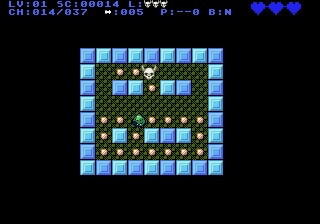
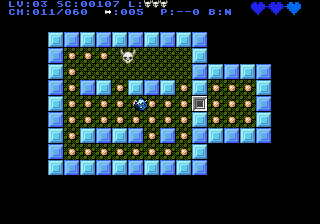
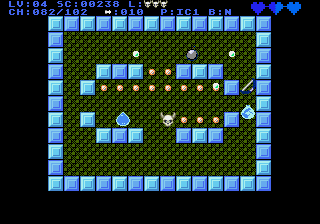
The first version of Retro Replay: Pixel Panic was built as a Nintendo Entertainment System homebrew project. It began as a fun way to learn, experiment, and build something that felt like an old-school arcade maze game. The basic idea was simple: collect the chips, avoid the enemies, survive the maze, and keep pushing for a higher score.
That early NES version had a lot of charm, but it also had limitations. The game was playable and fun, but I was constantly running into memory issues, storage concerns, and questions about how far I could really push the project on the Nintendo Entertainment System.
The Sega Genesis version opens the door to a much larger version of the game.
With the move to Genesis, Pixel Panic now has more room to breathe. The visuals can be bigger and bolder. The sprites can have more personality. The audio can be stronger. The levels can be more varied. Most importantly, the game no longer has to rely on repeated layouts in the same way the earlier version did.
This new Sega Genesis release now includes 50 unique levels, which is a massive step forward for the project.
What Is Retro Replay: Pixel Panic?
Retro Replay: Pixel Panic is a fast-paced arcade puzzle maze game where the player collects chips while dodging enemies, using power-ups, breaking through walls, and trying to survive increasingly chaotic stages.
The game has a classic collect-and-dodge structure, but it also mixes in extra mechanics to make things more unpredictable. You are not just moving through a maze. You are trying to read the layout, grab everything you need, avoid danger, use the right power-ups at the right time, and survive long enough to clear the stage.
The Sega Genesis version gives the game a stronger arcade feel. It still has the simple pick-up-and-play energy of an old homebrew maze game, but now it has more visual detail, more stage variety, better pacing, and a much bigger sense of personality.
At its core, Pixel Panic is about quick decisions, close calls, and old-school arcade pressure.
50 Unique Levels
One of the biggest improvements in the Sega Genesis version is the addition of 50 unique levels.
In the earlier NES version, the long-term plan was to eventually replace repeated layouts with more original stages. With the Sega Genesis version, that goal is now much closer to reality. Instead of simply recycling the same boards with faster enemies or higher difficulty, this version features a full set of unique level layouts.
Some levels are compact and tight. Some are bigger and more open. Some have strange shapes, black void space, narrow corridors, enemy traps, breakable rooms, and different routing challenges. The goal was to make each level feel like its own little puzzle instead of just another repeat of the same board.
That change alone makes the Genesis version feel much more complete.
Every stage gives the player something new to look at, think about, or survive. Some levels are about clean routes. Some are about risk. Some are about figuring out when to use bombs. Some are about dodging enemies in tight spaces. Some are just chaotic in the best old-school arcade way.
New Sprites and Visual Improvements
The Sega Genesis version also includes new sprites and updated visuals.
The original NES version had its own charm, but the Genesis hardware allows for a more colorful and expressive style. The player character, enemies, map tiles, items, and screen layout all feel stronger in this version. The game still keeps a retro homebrew look, but now it has more of that 16-bit arcade energy.
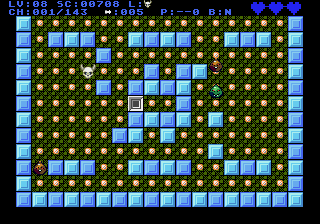
The blue wall blocks, green chip-filled floors, skull enemies, bombs, power-ups, and clean HUD all help give Pixel Panic its own identity. It is still simple enough to feel like a classic retro game, but detailed enough to feel like a real step forward from the NES release.
This is still a work in progress in terms of polish, but the game already looks much more alive on Sega Genesis.
Breakable Walls, Bombs, and Power-Ups
One of the best additions to Pixel Panic is the use of bombs and breakable walls.
The game is not just about collecting chips in a maze anymore. Some stages now include blocked-off areas or breakable sections that require the player to use bombs to open a path. That adds a new layer of strategy to the game. You may see chips that you need, but reaching them is not always as simple as walking over to them.
You have to think about the layout. You have to decide when and where to use your bomb. You have to avoid enemies while doing it. And you have to make sure you do not waste your chance to open the correct path.
That one mechanic makes the levels feel more intentional. It also gives the player more ways to interact with the map instead of simply following corridors.
The game also includes power-ups that help change the flow of a stage. These can give the player a fighting chance when the maze gets crowded or when the enemies start closing in.
New Sound Effects and Music
The Sega Genesis version of Retro Replay: Pixel Panic now includes new sound effects and music support, but this is also one of the areas where I could still use some help.
I had a hard time with the music side of the project. I am currently trying to figure out the best way to get the game to read .vgz music while still allowing sound effects to play properly at the same time.
If anyone has experience with Sega Genesis audio, SGDK, VGM playback, VGZ playback, XGM, or Genesis sound drivers in general, I would love to hear from you.
The dream is to have the game running with strong background music while still allowing clean sound effects for collecting chips, getting hit, using bombs, triggering power-ups, and clearing stages. Getting music and sound effects to behave together correctly has been one of the more frustrating technical parts of this project.
Pixel Panic already has sound and music, but the audio side is one of the biggest areas where help from the Genesis homebrew community could make the game much better.
Built for Fast Arcade-Style Gameplay
Pixel Panic is not trying to be overly complicated. It is meant to be fast, readable, and fun.
The best way to describe it is an arcade maze game with puzzle elements. The player has to collect chips, avoid enemies, use power-ups, and clear each stage. The challenge comes from movement, timing, enemy placement, map layout, and the pressure of trying to survive while still grabbing everything.
The Sega Genesis version makes that loop feel much better. The game feels more energetic, the stages feel more varied, and the overall presentation is much closer to the style I wanted from the beginning.
It is the kind of game that should be easy to understand but still tough to master.
What Has Changed in the Sega Genesis Version?
The Sega Genesis version of Retro Replay: Pixel Panic includes several major upgrades over the NES version.
Current features include:
- 50 unique levels
- New Sega Genesis version of the game
- New player sprites
- New enemy sprites
- Updated visual style
- New map layouts
- Breakable bomb walls
- Bomb mechanics
- Power-ups
- Score and high-score functionality
- New sound effects
- Music support
- More varied level progression
- More arcade-style pacing
- Larger and more polished game structure
This is not just a simple port. It is a bigger version of the same idea, rebuilt and expanded for Sega Genesis.
Still Learning, Still Building
One of the fun parts of homebrew development is that it forces you to learn as you go.
One of the frustrating parts of homebrew development is also that it forces you to learn as you go.
Pixel Panic has been a learning project from the beginning. Every new feature has come with some kind of problem to solve. Movement, levels, enemies, bombs, sprites, HUD changes, sound effects, music, memory, file size, and toolchain issues have all been part of the process.
But that is also what makes homebrew exciting. You start with a rough idea, fight through the technical problems, and eventually something playable starts to appear on screen.
The Sega Genesis version has already gone much further than I expected when I first started messing around with the NES version.
Help Wanted: Sega Genesis Audio and SGDK
The biggest area where I could use help right now is audio.
I would especially like help from anyone who understands:
- SGDK audio
- Sega Genesis sound drivers
- VGM playback
- VGZ playback
- XGM music
- Playing music and sound effects together
- YM2612 and PSG limitations
- Converting music into a better format for Genesis homebrew
- Structuring audio for a real Genesis game
The specific issue I am trying to solve is getting the game to properly play .vgz music while also allowing my sound effects to work at the same time.
I know there are limits, tradeoffs, and better ways to handle this. I am still figuring it out. If someone in the Genesis homebrew scene has experience with this, I would be grateful for advice, examples, or help cleaning up the audio system.
Future Plans for Pixel Panic
Even though the Sega Genesis version is playable now, I still see Pixel Panic as a game that can keep improving.
Future ideas include:
- Better music implementation
- Improved sound effects
- More polished enemy behavior
- More enemy personality
- More animation
- Better title screen polish
- Improved game over screen
- Better victory screen
- More visual effects
- More power-up variety
- More hazards
- Bonus rooms or secret paths
- More refined difficulty balancing
- Improved level flow
- Better scoring ideas
- Additional polish across the entire game
The game is already much more complete than the original NES version, but there is still plenty of room to make it better.
Why Sega Genesis?
The Sega Genesis has a special kind of energy. It is fast, sharp, colorful, and loud. It has a personality that fits arcade-style games perfectly.
Pixel Panic feels right at home on Genesis because the game is built around speed, movement, danger, and quick reactions. The 16-bit style gives the game more room for bigger visuals, better sprites, and a more exciting presentation.
The NES version was the beginning. The Genesis version feels like the game growing up.
There is something very satisfying about seeing a homebrew project running with that Sega Genesis look and feel. The blue blocks, green mazes, bombs, enemies, chips, and HUD all come together in a way that feels much more like a real retro arcade release.
A Thank You to the Homebrew Community
Homebrew development can be difficult, but it is also one of the coolest parts of the retro gaming scene.
People are still making new games for old hardware. They are still learning these systems, pushing them, sharing code, building tools, answering questions, and helping others figure things out. That is what keeps these old consoles alive in a real way.
Pixel Panic exists because of that kind of community.
The NES version started with inspiration from open-source homebrew work, and the Genesis version continues that same spirit of learning, experimenting, and building in public. I am thankful to everyone who has answered questions, given feedback, tested ideas, shared tools, or helped me get past technical roadblocks.
This project is still growing, and I would love to see it become something better with help from people who know the Sega Genesis better than I do.
Retro Replay: Pixel Panic Is Playable Now on Sega Genesis
Retro Replay: Pixel Panic is now available as a Sega Genesis homebrew release.
It includes 50 unique levels, new sprites, new sound effects, music, breakable walls, bombs, power-ups, and a much bigger 16-bit feel than the original NES version.
The game is playable now, but I still plan to keep improving it. Feedback is welcome, especially from Sega Genesis fans, SGDK developers, homebrew creators, retro gamers, and anyone who enjoys arcade-style maze games.
Pixel Panic started as a small experiment, but it is slowly becoming a real retro homebrew game.
And now, it is officially on Sega Genesis.
Visit retro-replay.com for more Retro Replay projects, updates, homebrew releases, and retro gaming content.