 Retro Replay Retro Replay gaming reviews, news, emulation, geek stuff and more!
Retro Replay Review
Gameplay
Bargon Attack introduces a point-and-click interface that was groundbreaking for its time. You navigate through approximately 20 varied locations, each divided into one to three distinct screens. The interface relies on icon-based commands for movement, interaction, and item management—an approach that Coktel Vision refined in later titles. While basic by today’s standards, it remains intuitive and offers a satisfying level of control as you guide your young programmer through hostile alien environments.
(HEY YOU!! We hope you enjoy! We try not to run ads. So basically, this is a very expensive hobby running this site. Please consider joining us for updates, forums, and more. Network w/ us to make some cash or friends while retro gaming, and you can win some free retro games for posting. Okay, carry on 👍)
The core gameplay loop combines puzzle-solving, exploration, and occasional arcade-style sequences. Puzzles range from inventory-based conundrums—where you must use alien devices or combine everyday objects—to logic challenges that test your observation skills. Arcade segments, such as timed elevator rides or laser-deflection mini-games, punctuate the slower moments and add variety, though they can feel out of place if you’re primarily a fan of traditional adventure mechanics.
One notable feature is the risk of character death, which adds a layer of tension absent from many contemporaries. While you can die from missteps—such as touching electrified panels or being caught by roaming alien creatures—the game always offers an immediate retry, so the frustration barrier remains low. This balance between danger and accessibility keeps you engaged without punishing you excessively for experimenting with different approaches.
Overall, the gameplay experience in Bargon Attack is a curious blend of science fiction, cyberpunk motifs, and light-hearted comedy. Some puzzles feel intuitive, while others rely on trial and error or pixel hunting. If you appreciate classic adventure games with a twist—where humor, surprise deaths, and brief action sequences coexist—you’ll find Bargon Attack both charming and challenging.
Graphics
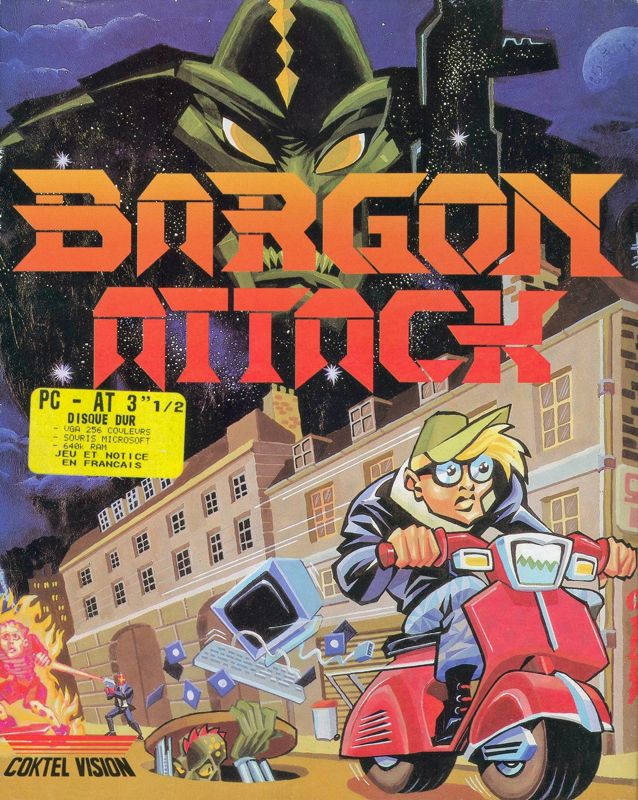
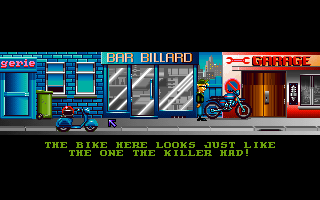
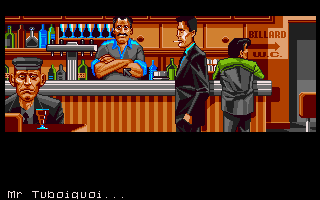
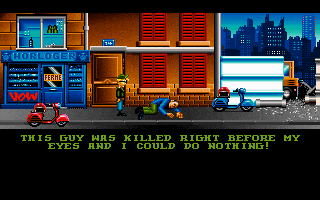
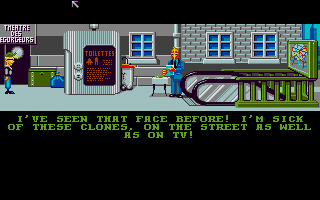
Visually, Bargon Attack sits firmly in the early ’90s era of adventure gaming. The hand-drawn backgrounds feature bold color palettes and a slightly exaggerated sci-fi aesthetic. Cityscapes, alien laboratories, and slave camps each have a distinct look, and the level of detail in props and set dressing helps convey the oppressive atmosphere of a world under extraterrestrial rule.
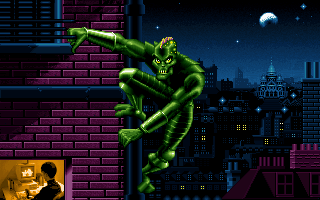
FMV cut-scenes were a novelty in 1992, and while the video quality is low resolution by modern standards, they still provide an immersive bridge between gameplay segments. These brief sequences showcase live actors interacting with chroma-keyed alien sets, lending the story a quirky, almost theatrical quality. Purists may scoff at the grainy footage and occasional audio sync issues, but fans of retro charm will appreciate the ambition.
Character sprites and animations are limited but adequate. Movements are sometimes stiff, and transitions between screens can feel abrupt. However, the overall presentation is coherent: aliens boast imaginative designs, and the environmental art often hides subtle humorous touches—like graffiti in the conquered cities or quirky status displays on alien computers.
On systems capable of 256-color output, the visuals gain extra vibrancy. Shadows and highlights become more pronounced, and details in backgrounds pop. Although you won’t find cutting-edge effects here, Bargon Attack’s graphics succeed in setting a mood that blends bleak oppression with moments of levity.
Story
Bargon Attack’s narrative unfolds in a near-future Earth that has fallen under the iron grip of the Bargon aliens. With humanity enslaved and everywhere under surveillance, hope seems extinguished—until a young, resourceful programmer takes matters into his own hands. The premise marries classic sci-fi rebellion tropes with a comedic edge, poking fun at bureaucratic alien overlords and broken tech alike.
Dialogue is peppered with sarcastic quips, and non-player characters range from fellow human captives to eccentric extraterrestrials. These interactions reveal bits of backstory—such as how the Bargons manipulated Earth’s defenses—and highlight the protagonist’s wit. While some lines feel dated, the playful tone helps the serious setting avoid becoming overly grim.
Progression through the story follows a fairly linear path, punctuated by goals like infiltrating a Bargon command center, disabling planetary control arrays, and liberating captive scientists. Occasional narrative beats are delivered through FMV cut-scenes, which, despite technical limitations, inject cinematic flair. The pacing can wobble; extended puzzle sequences sometimes slow momentum, but arcade breaks and cut scenes help maintain overall forward drive.
World-building is effective in small doses. Slave labor camps, alien research labs, and neon-lit undercities each convey a different facet of Earth’s subjugation. Collectively, they paint a picture of a world on the brink, with the fate of humanity resting on the shoulders of a reluctant hero—an archetype that resonates even decades later.
Overall Experience
Bargon Attack is a quintessential example of early ’90s adventure game ambition. It takes risks—introducing FMV cut-scenes, mixing genres, and allowing character death—that many peers avoided. These features lend the game a sense of experimentation and novelty that still stands out when compared to more pedestrian point-and-click adventures of the era.
That said, modern players should temper expectations. The graphics, while charming in a retro sense, cannot compare to contemporary productions. Puzzles sometimes hinge on obscure object combinations, and arcade segments may frustrate adventurers who prefer purely cerebral challenges. Yet for those willing to embrace its quirks, Bargon Attack rewards with genuine moments of humor, surprise, and imaginative world-building.
The game’s interface, now a staple in later Coktel Vision titles, feels surprisingly fluid once you familiarize yourself with the icons. Replayability is modest—once you solve the puzzles and see every cut-scene, much of the allure will be in reliving the comedic dialogue or testing your skills in the arcade mini-games.
Ultimately, Bargon Attack offers a unique slice of gaming history. It’s best suited to players interested in vintage adventures, FMV curios, or sci-fi comedies with a dash of cyberpunk. If you enjoy exploring obscure titles that dared to innovate, this underappreciated classic from Coktel Vision warrants a spot in your collection.


Reviews
There are no reviews yet.